
Can Online Payday Loans Sue You? Understanding Your Rights and Risks
· · Payday Loan Guides
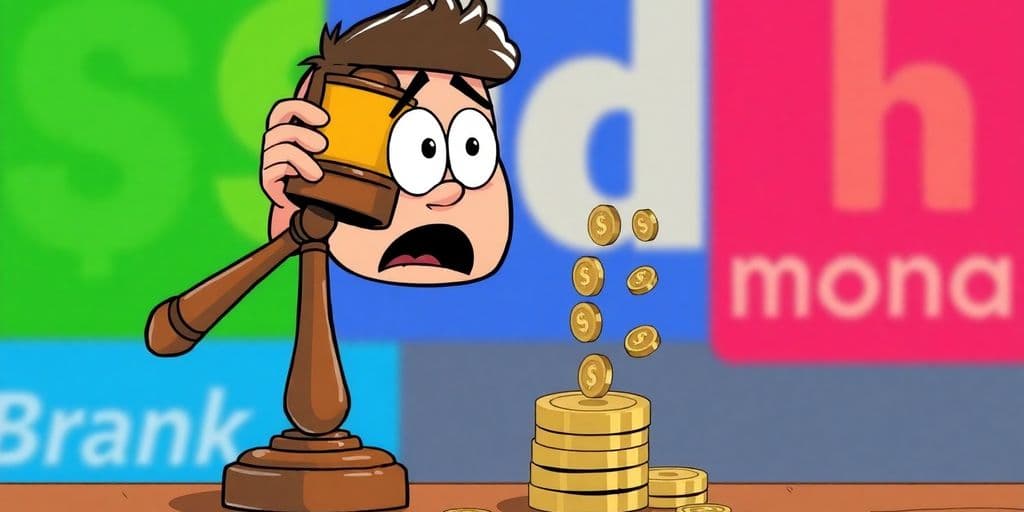
Yes: a payday lender can sue you in Utah over an unpaid loan. But Utah law puts two hard limits on how that plays out. First, before any lawsuit, the lender must offer you an interest-free Extended Payment Plan of 60 to 90 days to pay the balance off. Second, nonpayment is never a crime: Utah prohibits criminal prosecution for failing to repay a payday loan, so arrest, jail, and criminal charges are off the table no matter what a voice on the phone claims.
That second point is worth underlining, because it separates real collection from fraud. A licensed lender pursuing a genuine debt files a civil case in court. A scammer threatens handcuffs. This guide walks through how Utah payday loans actually work, what a lender can and cannot do when a loan goes unpaid, and the rights Utah's payday loan laws give you at every step.
Key Takeaways
- A licensed Utah payday lender can file a civil lawsuit over an unpaid loan, but only after offering you an interest-free Extended Payment Plan of 60–90 days.
- Nonpayment is never a crime in Utah. Criminal prosecution for failing to repay a payday loan is prohibited, and any threat of arrest is a scam signal.
- After default, the balance can grow: Utah allows prejudgment interest (10% per year, capped at 10 weeks) plus court costs and reasonable attorney's fees.
- Utah payday loans (deferred deposit loans) run $100–$1,000, repaid in one payment, typically in about 14 days, with a 70-day legal maximum under Utah Code 7-23-401.
- Utah has no cap on payday loan fees, so costs vary widely by lender. Verify any lender's license at dfi.utah.gov before you borrow.
What Counts as a Payday Loan in Utah?
Before getting to lawsuits, it helps to know exactly what you're dealing with, because Utah defines this product precisely.
What Exactly Is a Payday Loan?
In Utah, a payday loan is legally a "deferred deposit loan": you borrow between $100 and $1,000 and repay it in a single payment, typically on your next payday, about 14 days out. Utah Code 7-23-401 caps the term at 70 days, so no legitimate Utah payday loan runs longer than ten weeks. It's a bridge to your next paycheck, not long-term financing.
How Do Payday Loans Work?
You apply (online, for most lenders now), the lender verifies your income, and approved funds arrive in your checking account by ACH transfer. On the due date, the repayment (principal plus the finance charge) is auto-debited from that same account.
The cost is where Utah stands out: state law sets no cap on payday loan fees. At Beehive Loans, a Utah DFI-licensed direct lender, the standard rate is $17.26 per $100 borrowed for a 14-day term (450% APR), with loyalty pricing as low as $13.81 per $100 (360% APR); plenty of Utah lenders charge more. Every fee we charge is published on our rates and fees page, and any lender you consider should show you the same thing in writing before you apply.
The Role of Online Lenders
Online payday lending is legal and regulated in Utah, and licensed online lenders answer to the same rules as storefronts. The catch is that the internet also hosts unlicensed operators and outright fakes. Before you type a Social Security number into any application, confirm the lender appears in the Utah Department of Financial Institutions registry at dfi.utah.gov. An unlicensed operator can't lawfully hold you to a Utah payday contract, but it also owes you none of the protections described below, which is a much worse trade than it sounds.
Can a Payday Lender Actually Sue You in Utah?
Yes. An unpaid payday loan is a civil debt, and a licensed lender can take it to court like any other creditor. But Utah law forces a specific sequence first.
What Must Happen Before a Lawsuit Can Be Filed?
Before filing any lawsuit over an unpaid payday loan, a Utah lender must offer you an Extended Payment Plan (EPP): 60 to 90 days to pay the balance, with no new interest accruing while you do. At Beehive, the EPP splits your balance into four equal installments, and it's available once per year.
This is your single most important right as a Utah payday borrower, and it is never a rollover or another loan. Invoking it stops the lawsuit clock: a lender can only move toward court once the EPP has been offered and either declined or broken. Breaking an EPP you agreed to also adds a $20 default fee under Utah Code 7-23-403, so only commit to a schedule you can actually keep.
In practice, the EPP is the legal backstop rather than the first move. Contact Beehive, before or after your due date, and we can set up a Hive Flex Plan instead of letting the loan default: the balance converts to installments with a designated payoff date, and every payment reduces principal. Most borrowers prefer it because it isn't limited to once a year and sets a clear payoff date from day one, while the statutory EPP remains available whenever you need it.
What Happens If a Lawsuit Is Filed
If a defaulted loan does go to court, two things change. The balance can grow before judgment: Utah allows prejudgment interest at 10% per year (capped at 10 weeks) plus court costs and reasonable attorney's fees. And if the lender wins a judgment, standard civil collection tools (wage garnishment, bank levies) become available, just as with any other judgment debt.
The worst response is no response. Ignoring court papers leads to a default judgment on the lender's terms. Answer by the deadline, show up, and contact the lender about resolving the balance before the hearing; most lenders would far rather be repaid than litigate.
What Can Never Happen: Arrest or Criminal Charges
Nonpayment of a payday loan is not a crime in Utah, and a lender cannot have you criminally prosecuted for it. Full stop. So if anyone calls threatening arrest, a warrant, or "charges being filed," you're dealing with either a scammer or a collector violating the federal Fair Debt Collection Practices Act. Hang up and report it to the FTC and the Utah DFI. Our guide to identifying online loan scams covers this trick and the rest of the fake-collector playbook.
Who Can Get a Payday Loan? Eligibility Unpacked
Lawsuits start with loans, so it's fair to ask who qualifies in the first place. Utah lenders' requirements are simpler than most people expect:
- Age and ID. You must be 18 or older with valid government-issued identification.
- An active checking account. It's how funds arrive (by ACH) and how repayment is collected. Prepaid cards and app-based accounts don't qualify.
- Steady, verifiable income. Underwriting for this product is income-based. A traditional job isn't required; part-time work and self-employment count when the income is consistent and documented (pay stubs, bank deposits, or tax returns).
Credit Score and Its Impact
Legitimate lenders that serve all credit types, Beehive included, use a soft credit pull, which never affects your score, alongside income verification. Two things follow from that. A rough credit history usually won't disqualify you, because the decision rests on income. And "no credit check" advertising is a red flag, not a perk, because honest underwriting always checks something. No legitimate lender guarantees approval, either; if you've been turned down before, our guide to why payday loan applications get denied walks through the usual causes and fixes.
The Risks and Downsides of Payday Loans
The lawsuit question usually comes up after a loan has already gone sideways. These are the risks to weigh beforehand so it never gets there.
The High Cost of Fast Cash
Because Utah sets no fee cap, the price of speed varies enormously between lenders, and it's never cheap anywhere. At Beehive's standard rate, a $500 loan costs $86.30 in interest for a 14-day term, plus a $10 origination fee ($5 at the top loyalty tier). That's manageable once, for a genuine emergency; it's punishing as a monthly habit. Before signing with any lender, get the finance charge in dollars, not just an APR, and make sure your next paycheck can absorb the full repayment along with your normal bills.
The Cycle of Debt
The classic payday-loan trap is the rollover: some lenders let you pay a fee to push the due date back, and inside Utah's 70-day window those fees can stack until you've paid more in charges than you borrowed. That cycle, not the original loan, is where most payday-loan horror stories come from.
Beehive doesn't offer rollovers at all. If the due date is a problem, contact us before it arrives and we can set up a Hive Flex Plan: the balance converts to installments with a designated payoff date, and every payment reduces principal. The interest-free statutory EPP is also always yours to invoke. Whoever you borrow from, ask one question before you sign: "What happens if I can't pay on the due date?" A safe answer names the Extended Payment Plan. A dangerous one names a rollover fee.
When Things Get Overwhelming
If the auto-debit is going to bounce, say so before it happens: a returned payment can add an NSF fee (up to $35 at Beehive) and a missed payment a $15 late fee, and silence is the one move that makes everything worse. Contact your lender ahead of the due date: at Beehive, that is when we can set up a Hive Flex Plan, with the statutory EPP as your backstop if you need it. The protections in this article only help if you invoke them, and asking early costs nothing.
Finding the Right Lender for Your Needs
The best defense against ending up on either end of a lawsuit (or in a scam) is choosing well at the start.
- Verify the license first. Check the Utah DFI registry at dfi.utah.gov before anything else. This step is non-negotiable, and it filters out most bad actors on its own.
- Demand published pricing. The fee per $100, the APR, and every late or returned-payment fee should be in writing before you apply. A lender that's vague about costs is answering your question for you.
- Watch for responsible-lending signals. No "guaranteed approval" promises, no upfront fees, and a clear, documented answer about what happens if you can't pay on time.
Wrapping Things Up
So, can an online payday lender sue you? In Utah: yes, civilly (and only after offering you 60 to 90 interest-free days to make it right), and never criminally. Whether your due date is approaching or has already passed, contact your lender now: at Beehive, that is how we set up a Hive Flex Plan with a designated payoff date where every payment reduces principal, and it can be arranged before or after the due date. The statutory Extended Payment Plan also remains your legal right, and it stops new interest while you catch up. If the person contacting you is threatening jail, you're not talking to a real lender or a lawful collector; report them. Borrow from licensed lenders, read the fee schedule first, and the courtroom never enters the picture.
Frequently Asked Questions
Can a payday lender sue me if I don't pay?
Yes. An unpaid payday loan is a civil debt, and a licensed Utah lender can file suit, but only after offering you an interest-free Extended Payment Plan of 60–90 days. If a case does proceed, prejudgment interest, court costs, and attorney's fees can be added to the balance.
Can I go to jail for not paying a payday loan in Utah?
No. Criminal prosecution for nonpayment of a payday loan is prohibited in Utah; nonpayment is never a crime. Anyone threatening arrest or criminal charges over a payday debt is either a scammer or violating federal debt collection law. Report them to the FTC and the Utah DFI.
What is the Extended Payment Plan?
It's Utah's mandatory safety valve: before any lawsuit, a lender must offer you 60–90 days to repay with no new interest. At Beehive, the balance splits into four equal installments, and the plan is available once per year. Breaking an EPP adds a $20 fee and reopens the path to court, so commit to a schedule you can keep.
What can be added to my balance after default?
Contract fees come first: at Beehive, a $15 late fee per missed payment and up to $35 if a payment is returned. After formal default, Utah allows prejudgment interest of 10% per year for up to 10 weeks, plus actual court costs and reasonable attorney's fees if the matter is filed or referred for collection.
What should I do if I'm served with court papers over a payday loan?
Don't ignore them: an unanswered suit becomes a default judgment, which can lead to wage garnishment. Respond by the deadline, confirm the lender actually offered you the required Extended Payment Plan, and contact the lender directly; most would rather arrange repayment than litigate.
Keep Reading

Payday Loan Guides
Pre-Approved vs. Pre-Qualified Online Loans: What's the Difference?
Pre-qualified and pre-approved don't mean the same thing. Learn what each really promises, how they affect your credit, and how online lenders use them.
Payday Loan Guides
APR vs Interest Rate: What’s the Difference?
Interest rate vs APR: what each number includes, why a two-week payday fee looks huge annualized, and how to compare loan costs the smart way.

Payday Loan Guides
Loan Origination Fee: What It Is and How It Works
What a loan origination fee is, typical costs from 0.5% to 8% by loan type, when you can negotiate it, and which Beehive loans charge none at all.