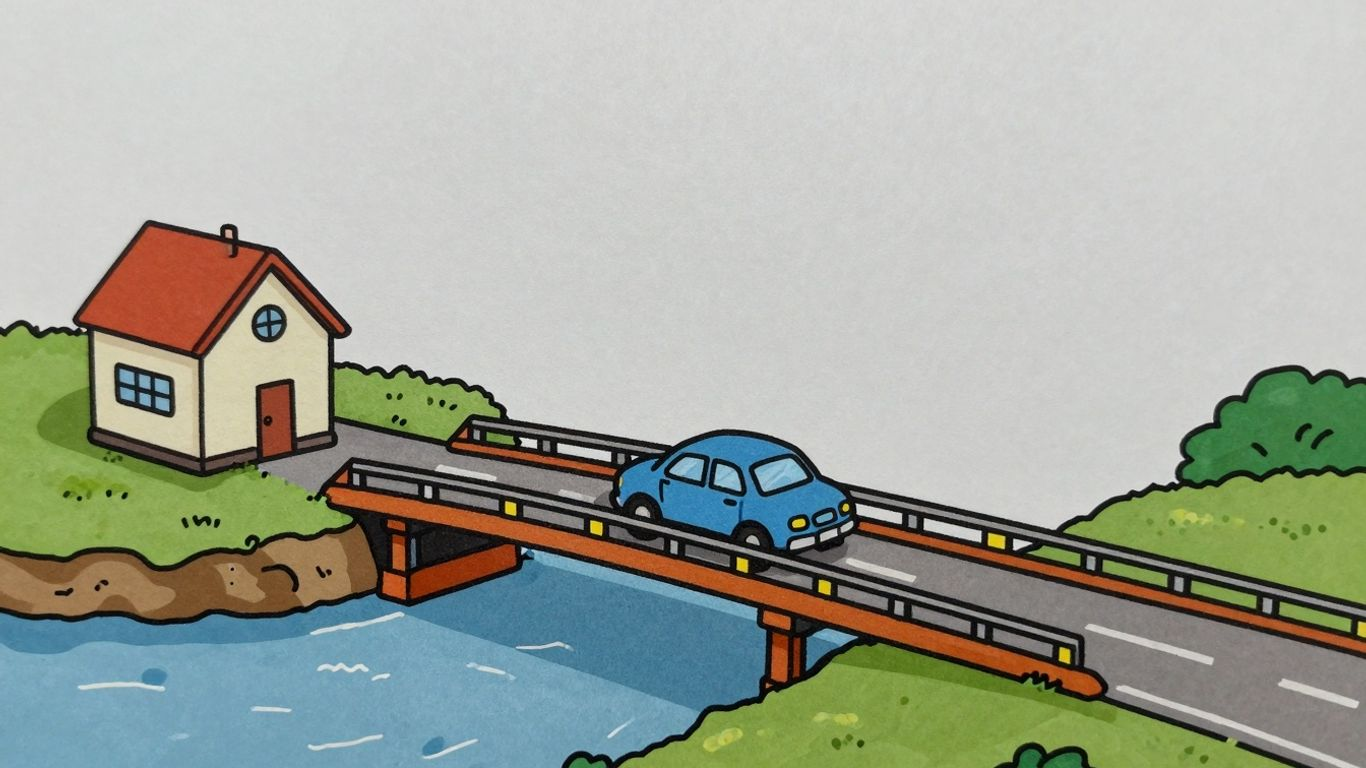
Buying a new house before you’ve sold your old one? Or maybe your business needs cash fast while you wait for a bigger investment to come through? That’s where a bridge loan can come in handy. It’s basically a short-term loan designed to cover that gap, giving you the funds you need right away. We’ll break down what a bridge loan is, how it works, and if it’s the right move for you.
Key Takeaways
- A bridge loan is a short-term loan used to cover immediate financial needs until longer-term financing is secured or an existing obligation is met. It’s often used when buying a new home before selling the current one.
- These loans use the equity in your current home as collateral, allowing you to use those funds for a down payment on a new property.
- Businesses sometimes use bridge loans to cover operational costs, like payroll or rent, while waiting for other funding, such as an investment round, to close.
- Bridge loans offer quick access to cash, which can make you a stronger buyer in competitive markets, but they typically come with higher interest rates and fees than traditional loans.
- While convenient, bridge loans carry risks, including higher costs and the possibility of foreclosure if you can’t repay the loan, especially if your current home doesn’t sell as planned.
What Is a Bridge Loan, Really?

A Short-Term Solution for Big Gaps
Ever felt like you’re stuck between a rock and a hard place financially? Maybe you’ve found your dream home, but your current one hasn’t sold yet. Or perhaps your business needs a cash injection to keep things running smoothly while you wait for a bigger funding round to come through. That’s where a bridge loan can come in handy. Think of it as a temporary financial bridge, helping you cross over a tricky gap until you have more stable, long-term financing in place.
These loans are designed to be quick. They’re not meant for the long haul, but rather to provide immediate funds when you need them most. Because they’re short-term and often secured by something valuable, like your house or business assets, lenders can approve them faster than traditional loans. It’s a way to keep moving forward without waiting for everything to line up perfectly.
Bridging the Gap Between Transactions
In the world of real estate, bridge loans are super common. Let’s say you’re buying a new house. You might need a down payment, but you won’t get that money until your current home sells. A bridge loan can help you out here. It uses the equity you have in your current home to give you the funds needed for the new purchase. This way, you can buy the new place and move in, even if your old place is still on the market. You’ll then pay off the bridge loan once your old home sells.
It’s not just for homeowners, though. Businesses use them too. Imagine a company waiting for a large investment to close. They might need money for payroll, inventory, or other operating costs in the meantime. A bridge loan can provide that cash flow, keeping the business afloat and operations running smoothly until the investment money arrives.
More Than Just Real Estate
While real estate is a big area where bridge loans shine, they aren’t limited to just buying and selling houses. Businesses often use them for various reasons:
- Working Capital: To cover day-to-day expenses when cash flow is tight.
- Acquisitions: To quickly purchase another company or significant assets.
- Project Funding: To start a new project while waiting for long-term financing.
- Seasonal Needs: To manage inventory or staffing during peak seasons.
Essentially, any situation where you need funds now but have a plan for longer-term financing or repayment coming soon is a potential candidate for a bridge loan. It’s a flexible tool for those moments when timing is everything.
How Does a Bridge Loan Work?
So, you’re probably wondering how these things actually function, right? It’s not as complicated as it might sound. Think of a bridge loan as a temporary financial helper, stepping in when you need funds now but your main source of cash is still a little ways off. It’s designed to cover that gap, or ‘bridge,’ between two financial events.
Using Your Current Home’s Equity
This is a super common scenario for homeowners. Let’s say you’ve found your dream home, but your current house hasn’t sold yet. You need a down payment for the new place, and you don’t want to miss out on your dream home while you wait for your current one to sell. That’s where a bridge loan can come in handy. The lender looks at the equity you have in your current home – basically, the difference between what your home is worth and what you still owe on the mortgage. They’ll use that equity as collateral for the bridge loan. This allows you to borrow money to put down on the new house, and then, once your old house sells, you use those proceeds to pay off the bridge loan. It’s like getting a head start on your next chapter.
Covering Immediate Business Needs
Businesses can use bridge loans too, and it works in a similar fashion. Imagine a company is expecting a big investment or a large payment to come through in a few months, but they have immediate expenses like payroll, rent, or inventory that need to be paid right away. A bridge loan can provide that quick cash injection. The business uses its assets, like property or equipment, as collateral. This loan keeps things running smoothly until the expected funds arrive, preventing any disruption to operations. It’s a way to keep the business engine humming without interruption.
The Lender’s Perspective
From the lender’s point of view, a bridge loan is a bit riskier than a traditional, long-term loan. Because it’s short-term and often tied to the sale of a property or the arrival of other funds, there’s a chance those funds might not come through as expected. To offset this risk, lenders usually charge higher interest rates and may require more fees upfront compared to other types of loans. They’ll also be pretty thorough in checking your credit history and your ability to repay, especially if the collateral isn’t enough to cover the loan amount. They want to be sure that even if things don’t go exactly as planned, they’ll still get their money back.
Who Uses Bridge Loans and Why?
So, who exactly finds themselves needing a bridge loan? It’s not just one type of person or business, but rather anyone facing a temporary financial gap where quick cash is king. Think of it as a financial handshake, connecting two points in time when money is tight but a solution is on the horizon.
Homeowners Making a Move
This is probably the most common scenario. You’ve found your dream home, the one with the perfect backyard and the kitchen you’ve always wanted. But here’s the catch: you haven’t sold your current house yet. You can’t exactly afford to own two homes at once, right? That’s where a bridge loan swoops in. It uses the equity you’ve built up in your current home as collateral to give you the funds for a down payment on the new place. It’s a way to secure that new home without the stress of waiting for your old one to sell first. You’re essentially bridging the gap between selling your old place and buying the new one.
Businesses Needing Quick Cash
Businesses, too, often run into situations where they need cash now but long-term funding is still in the pipeline. Maybe a company is waiting for a big investment round to close, but payroll is due next week. Or perhaps they need to buy new inventory to meet a sudden surge in demand, but their usual line of credit is maxed out. A bridge loan can provide that immediate working capital. It keeps the lights on, the employees paid, and the business moving forward until that larger, more permanent funding source comes through. It’s a lifeline to keep operations smooth during a transition period.
Navigating Competitive Markets
In some situations, especially in hot real estate markets, speed is everything. If you’re trying to buy a home and there are multiple offers, having the cash ready can make your offer stand out. A buyer who doesn’t need to sell their current home first (because they have a bridge loan) often looks much more attractive to a seller. It removes a major contingency, making the deal feel more secure for the seller. So, for buyers in competitive situations, a bridge loan isn’t just about getting funds; it’s about getting an edge.
The Perks of a Bridge Loan
Speedy Access to Funds
Life moves fast, and sometimes you need cash now. Bridge loans are designed for speed. Unlike traditional loans that can take weeks or even months to get approved, a bridge loan can often be funded in a matter of days. This quick turnaround is a huge advantage when you’re trying to snag a new home before your current one sells or when your business needs a sudden cash injection to keep things running smoothly.
Becoming a Stronger Buyer
When you’re house hunting, making an offer can feel like a race. If you need to sell your current home before you can buy a new one, your offer might come with a contingency. This means the sale depends on your current home selling first. A bridge loan can remove that contingency. By having funds readily available, you can make a more attractive offer, potentially beating out other buyers who have those sale-contingent offers. It makes you look more serious and financially ready to close the deal.
Flexible Repayment Options
Bridge loans aren’t usually set in stone when it comes to repayment. While they are short-term, lenders often work with borrowers to figure out a repayment plan that makes sense. This might mean making interest-only payments during the loan term, with the full principal due at the end. Or, you might have the option to pay it all back in one lump sum once your permanent financing is in place or your old house sells. Many bridge loans also don’t charge penalties if you decide to pay them off early, which is great if you sell your house faster than expected.
Understanding the Costs Involved
Bridge loans are super handy for bridging that gap between buying a new place and selling your old one, but they aren’t exactly free. Because they’re short-term and designed for speed, you’ll usually find they come with a higher price tag than your typical mortgage. It’s like paying a premium for convenience, which is something to keep in mind as you crunch the numbers.
Higher Interest Rates to Consider
Let’s be real, the interest rate on a bridge loan is often higher than what you’d see on a standard mortgage. Lenders see these as a bit riskier because they’re short-term and often secured by your current home while you’re also trying to buy a new one. Think of it as the cost of getting that quick cash injection. While the rate might seem steep, remember that the loan term is usually pretty short, so the total interest paid might not be as astronomical as you’d initially fear. It’s a trade-off for that immediate financial flexibility.
Fees You Might Encounter
Beyond the interest, there are other fees that can add up. You might run into things like loan origination fees, which is what the lender charges to set up the loan. There could also be appraisal fees to determine the value of your current home, and standard closing costs associated with any loan. Sometimes, there are even administrative fees or legal fees involved. It’s a good idea to get a clear list of all potential fees upfront so there are no surprises down the road. These costs can sometimes be rolled into the loan, but often they’re paid separately, so budget accordingly.
The Impact of Your Credit Score
Just like with most loans, your credit score plays a role in how much a bridge loan will cost you. If you have a solid credit history and a good score, you’re more likely to qualify for a better interest rate. Lenders see a strong credit score as a sign that you’re a reliable borrower, which reduces their risk. On the flip side, if your credit score isn’t as strong, you might be looking at higher interest rates and potentially stricter terms. It’s always worth checking your credit report before you apply to see where you stand and if there’s anything you can do to improve it before seeking financing.
Potential Downsides to Watch Out For

While bridge loans can be super helpful, they aren’t without their risks. It’s really important to go into this with your eyes wide open, knowing what could go wrong.
The Pressure of Shorter Terms
Bridge loans are, by nature, short-term. This means you’ve got a limited window to pay them back, usually by selling your old place or securing different financing. This can put a lot of pressure on you, especially if things don’t go exactly as planned. You might find yourself juggling payments for both your old and new homes, which can get stressful fast.
What If Your Home Doesn’t Sell?
This is probably the biggest worry for most people. What happens if your current house just isn’t selling as quickly as you’d hoped? The clock is ticking on your bridge loan, and you could end up making payments on two mortgages. This is where having a solid financial cushion becomes really important. You need to be prepared for the possibility that your home sale might be delayed, and you’ll need to cover those extra costs.
The Risk of Foreclosure
Because bridge loans often use your current home as collateral, there’s a real risk of foreclosure if you can’t make the payments. This is not a situation anyone wants to be in. If you default on the bridge loan, the lender could take possession of your home to recoup their losses. It’s absolutely vital to crunch the numbers beforehand and be confident you can handle both mortgage payments, even if your old home takes longer to sell than expected. Understanding your affordability limits is key before you even apply for a bridge loan.
Here are a few things to think about:
- Higher Interest Rates: Because these are short-term and considered higher risk by lenders, the interest rates are typically higher than traditional mortgages. This means you’ll pay more in interest over the life of the loan.
- Additional Fees: Beyond interest, expect to encounter various fees. These can include origination fees, appraisal fees, and closing costs. These add to the overall expense.
- The Need for a Solid Credit Score: Lenders look closely at your creditworthiness. A better credit score can help you secure a more favorable interest rate, but a lower score might mean higher costs or even denial.
It’s easy to get caught up in the excitement of buying a new home, but it’s crucial to remember that a bridge loan is a serious financial commitment. Don’t let the speed and convenience overshadow the potential financial strain if your plans hit a snag. Always have a backup plan.
Key Differences from Traditional Loans
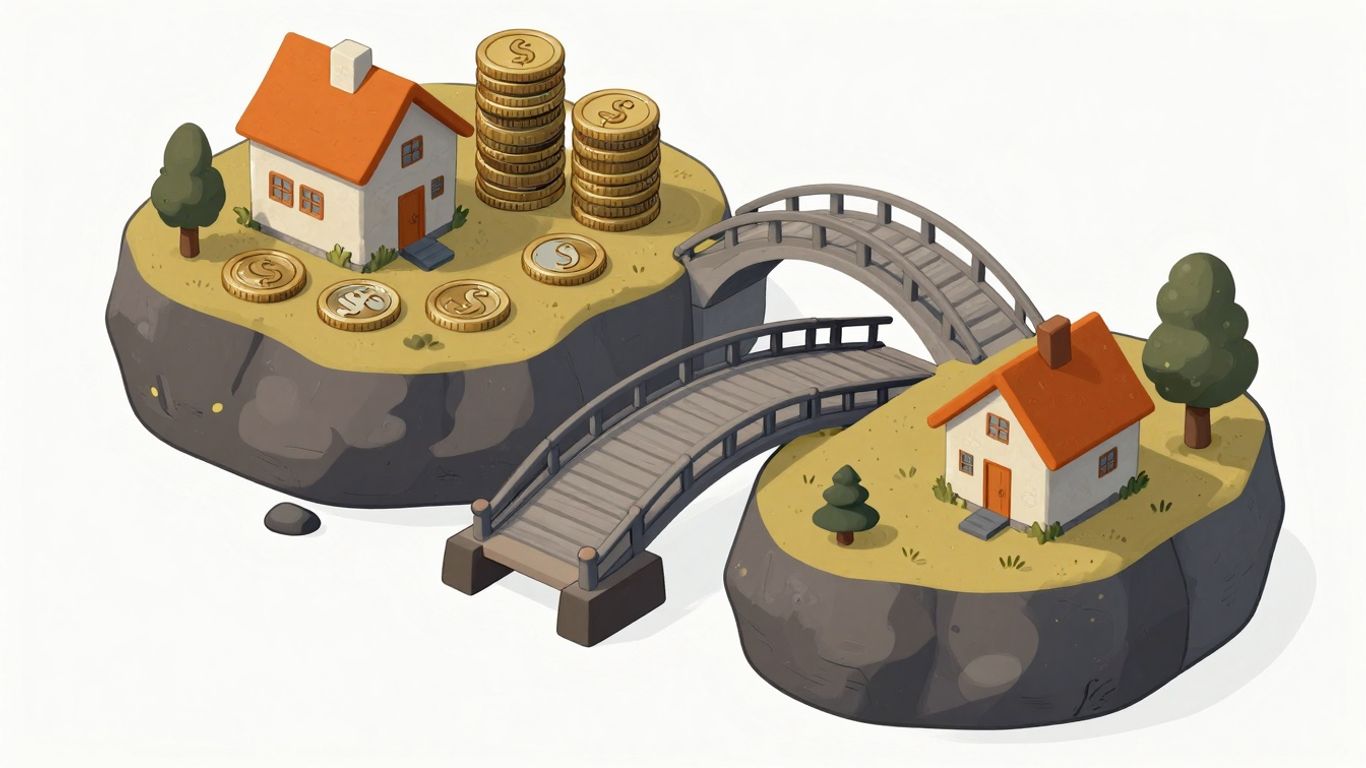
So, you’re looking at a bridge loan and wondering how it stacks up against the loans you might be more familiar with, like a standard mortgage or a personal loan. They definitely serve different purposes and come with their own set of rules.
Speed vs. Cost
One of the biggest draws of a bridge loan is how fast you can get the money. Think of it like a sprint – quick and to the point. Traditional loans, on the other hand, are more like a marathon. They take longer to process, from application to closing, but they usually come with lower interest rates. With a bridge loan, you’re often paying a premium for that speed. It’s a trade-off: faster access to cash means a higher cost, usually in the form of higher interest rates and fees.
Short-Term vs. Long-Term
This is pretty straightforward. Bridge loans are designed to be temporary. They’re meant to cover a gap for a short period, usually a few months to a year, until you secure more permanent financing or sell an asset. Traditional loans, like mortgages, are built for the long haul, often spanning 15, 20, or even 30 years. This difference in duration impacts everything from how much you pay back over time to the flexibility you have with repayment.
Collateral Requirements
Most bridge loans are secured loans, meaning you’ll need to put up collateral. Often, this is your current home, especially if you’re using the bridge loan to buy a new one before selling the old one. Traditional loans also often require collateral – your house for a mortgage, your car for an auto loan. However, some personal loans might be unsecured, meaning no specific asset is tied to the loan, though these usually have stricter credit requirements and higher rates than secured options.
Qualifying for a Bridge Loan
So, you’re thinking a bridge loan might be the ticket to getting that new place or covering a business need before your finances fully line up. That’s smart thinking! But like any loan, there are a few things lenders look at to see if you’re a good fit. It’s not just about needing the money; they want to feel confident you can handle it.
Your Creditworthiness Matters
Lenders definitely peek at your credit history. A solid credit score shows you’ve managed debt responsibly in the past, which is a good sign for them. Think of it as a report card for your financial habits. The better your score, the more likely a lender is to trust you with their money, and sometimes, a higher score can even get you a better interest rate. It’s not the only thing they look at, but it’s a big piece of the puzzle.
The Role of Home Equity
If you’re using a bridge loan for real estate, the equity in your current home is super important. This is basically the difference between what your home is worth and how much you still owe on your mortgage. Lenders often use this equity as collateral, meaning it secures the loan. The more equity you have, the less risk the lender takes on, and the more likely they are to approve your loan. It’s like having a built-in safety net for the lender.
Debt-to-Income Ratio Check
Another thing lenders check is your debt-to-income ratio, or DTI. This is a simple calculation: it’s the total of your monthly debt payments divided by your gross monthly income. A lower DTI generally means you have more room in your budget to take on new debt, like a bridge loan. If your DTI is too high, it might signal that you’re already stretched pretty thin financially, making it harder to get approved. Lenders want to see that you can comfortably manage your existing obligations plus the new loan payments.
When a Bridge Loan Might Be Your Best Bet
Sometimes, life throws you a curveball, or maybe just a really exciting opportunity that you can’t afford to miss. That’s where a bridge loan can really shine. It’s not for every situation, but when the timing is just right, it can be a lifesaver.
Dream Home Before Your Current Home Sells
Picture this: you’ve found your absolute dream home. It’s perfect, it’s available, and it’s everything you’ve been looking for. The catch? Your current house hasn’t sold yet. Waiting for your current home to sell before you can buy a new one can mean missing out on that perfect place. A bridge loan can help you bridge that gap. It essentially uses the equity in your current home as collateral to give you the funds needed for a down payment on the new one. This way, you can secure your dream home without the stress of your old one being sold first. It’s a way to make a move happen when you might otherwise have to wait, potentially losing out on the property you love. This can be especially helpful in competitive real estate markets where speed is key. You can get a jump on buying a new place while still working to sell your existing one. Learn more about financing a home.
Urgent Business Capital Needs
Businesses often face situations where they need cash quickly, but long-term financing is still in the pipeline. Maybe you have a big contract about to start, but you need to purchase inventory first. Or perhaps payroll is due, and you’re waiting on a large payment from a client. A bridge loan can provide that immediate cash infusion. It’s a short-term fix that keeps your business operations running smoothly while you wait for more substantial funding to come through. Think of it as a temporary financial bridge to get you across a rough patch or to seize a time-sensitive business opportunity. It’s about maintaining momentum when cash flow might otherwise be a roadblock.
Securing a Deal Quickly
In certain situations, being able to act fast can make all the difference. For homebuyers, having the funds available through a bridge loan can make your offer much more attractive to sellers. You might not need to include a financing contingency, which can be a big plus for sellers who want a quick and certain sale. For businesses, being able to close a deal quickly, whether it’s acquiring an asset or completing a project, can be critical. A bridge loan provides the liquidity needed to act decisively and secure that advantageous deal before someone else does. It’s about having the financial flexibility to move when opportunities arise, without being held back by the usual timelines of traditional loans.
Exploring Alternatives to Bridge Financing
Bridge loans are handy for those tight spots, but they aren’t the only game in town. Sometimes, looking at other options makes more sense for your wallet and your peace of mind. Let’s chat about what else is out there.
Other Short-Term Funding Options
If you need cash fast but a bridge loan feels a bit too much, consider these possibilities:
- Home Equity Line of Credit (HELOC): Think of this like a credit card secured by your home’s equity. You can draw funds as needed, up to a certain limit, and usually pay interest only on what you use. It’s flexible, but you’re still using your home as collateral.
- Personal Loans: These are unsecured loans, meaning you don’t need to put up an asset like your house. They’re generally easier to get if you have good credit, but the amounts might be smaller, and interest rates can be high.
- Cash-Out Refinance: If you’re looking to tap into your home’s equity for a larger sum, you could refinance your existing mortgage for more than you owe and take the difference in cash. This replaces your current mortgage with a new, larger one, so it’s a bigger commitment.
When to Stick with Traditional Loans
Sometimes, the tried-and-true methods are best. Traditional loans, like a standard mortgage or a business loan, might be a better fit if:
- You have plenty of time before you need the funds. There’s no rush, so you can go through the standard, often more thorough, application process.
- You’re looking for lower interest rates and fees. Traditional loans usually come with better terms because they’re less risky for the lender.
- You don’t want to use your home as collateral for a short-term need. You prefer to keep your primary residence out of the picture for interim financing.
Seeking Professional Advice
Figuring out the best financial path can be confusing. It’s always a good idea to talk to a professional. A mortgage broker or a financial advisor can look at your specific situation – your income, your debts, your timeline, and your goals – and help you weigh the pros and cons of each option. They can explain the nitty-gritty details of interest rates, fees, and repayment terms, helping you make a choice you feel good about. Don’t hesitate to ask questions; that’s what they’re there for!
Choosing the right loan isn’t just about getting money; it’s about getting the right money for your situation. Think about the long game, not just the immediate need. What works now might create problems later if you’re not careful.
Looking for other ways to get funds besides bridge loans? There are many options available that might fit your needs better. We can help you explore these alternatives. Visit our website today to learn more about your choices and find the best solution for you.
So, What’s the Takeaway on Bridge Loans?
Alright, so we’ve talked a lot about bridge loans. Basically, they’re a quick fix for when you need cash now but don’t have it quite yet, usually because you’re waiting for a bigger financial thing to happen, like selling your house or getting a business loan. They can be super helpful, especially if you’re trying to buy a new home before your old one sells, or if your business needs a little cash injection to keep things running. Just remember, because they’re short-term and fast, they usually come with higher interest rates and fees than regular loans. It’s a trade-off for that speed and convenience. So, if you’re thinking about one, make sure you really crunch the numbers and understand all the costs involved. It might be the perfect solution for your situation, but it’s always good to go in with your eyes wide open. Talk to a lender, ask all your questions, and make sure it feels right for you.
Frequently Asked Questions
What exactly is a bridge loan?
Think of a bridge loan as a quick, temporary loan. It’s like a financial bridge that helps you get from one point to another, usually when you need money right away but haven’t received your main funding yet. It’s often used to buy a new house before your old one sells.
How does a bridge loan help when buying a house?
If you find a new house you love but haven’t sold your current one, a bridge loan can be a lifesaver. It lets you use the money you have tied up in your old house (your ‘equity’) as a down payment for the new one. This way, you don’t miss out on your dream home while waiting for your old one to sell.
Are bridge loans expensive?
Generally, bridge loans can cost more than regular loans. They often have higher interest rates because they are short-term and lenders take on more risk. You might also have to pay extra fees when you get the loan.
What happens if my old house doesn’t sell in time?
This is a big worry with bridge loans. If your current home doesn’t sell before the bridge loan is due, you might have to make payments on both your old mortgage and the new bridge loan. In the worst case, if you can’t make the payments, your current home could be foreclosed on.
How long do I have to pay back a bridge loan?
Bridge loans are meant to be short. They usually last from a few months up to a year, sometimes a bit longer. The idea is that you’ll pay it back quickly once your main financing comes through or your old house sells.
Who usually gets a bridge loan?
People who are buying a new home before selling their old one are common users. Businesses also use them when they need cash quickly for things like payroll or to buy supplies while they wait for a bigger investment or loan to come through.
What’s the main benefit of a bridge loan?
The biggest plus is speed. You can get the money fast, which is great if you need to act quickly, like making an offer on a house in a competitive market. It also makes you a stronger buyer because you don’t have the ‘sell your old house’ condition attached to your offer.
Are there other options besides bridge loans?
Yes, there are. Depending on your situation, you might look into other short-term loans, home equity lines of credit (HELOCs), or even personal loans. Sometimes, it might be better to wait and use traditional loans if you don’t need the money immediately.