Ever look at your loan balance and wonder why it’s not going down, or maybe even going up? It can be pretty confusing, especially when you’re trying to pay it off. There are a bunch of things that can sneakily add to what you owe, sometimes without you even realizing it. We’re going to break down some of the common culprits that contribute to what increases your total loan balance, so you can be more aware and hopefully get a better handle on your debt.
Key Takeaways
- Interest rates, especially variable ones, can make your loan balance grow over time if rates go up.
- Late fees and other penalties for missed or late payments are directly added to your balance.
- Upfront fees like origination fees can increase the initial amount you owe.
- Taking out new loans or consolidating existing ones can sometimes lead to paying more interest over a longer period.
- Periods of nonpayment, like deferment or forbearance, often still accrue interest, adding to the balance.
Interest Rates
Okay, let’s talk about interest rates. This is probably the most common reason your loan balance might creep up, and it’s something you really need to pay attention to. Think of interest as the fee the lender charges you for borrowing their money. It’s usually expressed as a percentage.
The higher the interest rate, the more you’ll end up paying back over the life of the loan. It might seem small, like just a few extra percentage points, but over years, those points add up to a significant amount of money. It’s like adding a little bit of extra weight to your backpack every day – eventually, it makes a big difference.
There are two main types of interest rates you’ll run into:
- Fixed Interest Rate: This rate stays the same for the entire time you have the loan. It’s predictable, which is nice. Your payment won’t change due to interest rate fluctuations.
- Variable Interest Rate: This rate can go up or down depending on what’s happening in the financial markets. If rates go up, your interest charges will too, and that means your loan balance could grow faster than you expected, especially if you’re only making minimum payments.
Your credit score plays a huge role here. Generally, if you have a good credit score, you’ll qualify for a lower interest rate. If your credit score isn’t so great, lenders see you as more of a risk, and they’ll charge you a higher rate to compensate for that risk. So, working on your credit score before you even take out a loan can save you a lot of money in the long run.
It’s super important to know exactly what kind of interest rate you’re agreeing to. Don’t be afraid to ask your lender to explain it in plain English. Understanding this one factor can save you thousands of dollars.
Late Fees And Penalties
Life happens, and sometimes, despite our best efforts, a payment might slip through the cracks. When this occurs with a loan, lenders often impose late fees and other penalties. These aren’t just small charges; they can significantly increase your total loan balance. A late fee is typically a fixed amount or a percentage of your missed payment, and it gets added directly to what you owe.
Beyond just the late fee itself, missing a payment can sometimes trigger other consequences. For instance, some loan agreements might have clauses that increase your interest rate temporarily or even permanently if you fall behind. This means you’ll be paying more interest on the outstanding balance, further growing the amount you owe. It’s a double whammy that can make getting back on track feel even harder.
Here’s a quick look at how these can add up:
- Late Fee: A direct charge for missing the due date.
- Increased Interest Rate: Your APR might go up, making future payments costlier.
- Penalty Interest: Some loans charge a separate, higher interest rate on the late amount.
- Collection Costs: If the loan goes to collections, you might be responsible for those fees too.
It’s really important to know your loan’s grace period and due date. Setting up automatic payments or calendar reminders can be a lifesaver here, helping you avoid these costly penalties and keeping your loan balance from creeping up unexpectedly. If you’re struggling to make a payment, reaching out to your lender before the due date is always the best first step. They might be able to work with you on a solution, like a temporary payment plan, to help you avoid these extra charges and the hit to your credit score. Missing a payment can result in late fees and damage to your credit score, especially after 30 days. If payments remain missed for 60-90 days, the loan may be sent to collections or legal action could be initiated [b08c].
Remember, these fees are designed to compensate the lender for the inconvenience and risk associated with a missed payment. While they are a standard part of most loan agreements, understanding them is key to managing your debt effectively and preventing your balance from growing unnecessarily.
Origination Fees
When you take out a loan, there’s often a fee that the lender charges just for processing your application and getting the loan set up. This is called an origination fee. Think of it like a service charge for the lender’s work.
These fees are usually a percentage of the total loan amount. For example, a 1% origination fee on a $10,000 loan would be $100. Sometimes, lenders let you pay this fee upfront, but often, they’ll add it directly to your loan balance. This means you’re immediately borrowing more money than you initially intended, and you’ll end up paying interest on that fee too.
It’s a good idea to be aware of these fees when comparing different loan offers. While they might seem small, they can add up and increase the total amount you owe. Understanding how loan origination fees are calculated and whether they can be negotiated can help you make a more informed decision about your loan.
Here’s a quick look at how they can impact your balance:
- Percentage-based: Most common, calculated as a percentage of the loan amount.
- Flat fee: A fixed dollar amount, regardless of the loan size.
- Added to balance: The fee is rolled into the total loan amount, increasing your principal.
- Paid upfront: You pay the fee separately before receiving the loan funds.
While origination fees are a standard part of many loans, they aren’t always set in stone. Some lenders might waive them, especially for borrowers with excellent credit, or you might be able to negotiate them. Always ask about all the fees involved before you sign anything.
Loan Modifications

Sometimes, when things get tough financially, you might look into a loan modification. This is basically a change to your original loan agreement, often done to make payments more manageable. Think of it like getting a temporary break or a new plan.
While these modifications can be a lifesaver when you’re struggling, they can sometimes end up increasing the total amount you owe. For example, if you extend the repayment term of your loan, you’ll be paying it back over a longer period. This usually means more interest gets added up over time, making your total loan balance higher than it would have been with the original plan.
Here are a few common ways loan modifications can affect your balance:
- Extended Repayment Term: Spreading payments out over more years means more interest accrues.
- Interest Rate Changes: While sometimes the rate goes down, other modifications might involve a rate that, over the long haul, adds more to your balance.
- Capitalized Interest: In some cases, unpaid interest might be added directly to your loan balance, a process called capitalization.
It’s super important to really understand the details of any modification before you agree to it. Ask your lender exactly how it will impact your total repayment amount and the length of time you’ll be paying.
Always read the fine print. What seems like a helpful change now could mean paying significantly more over the life of the loan if you’re not careful about the terms.
Borrowing More Money
Okay, so you’ve got a loan, and you’re trying to keep track of the balance. Then, you decide you need more money. It sounds straightforward, right? You get a new loan, or maybe you add to an existing one. But here’s the thing: every time you borrow more, you’re not just adding to the principal; you’re also adding a whole new set of potential costs.
Think about it. Each new loan or line of credit comes with its own interest rate, its own repayment schedule, and sometimes, its own set of fees. Juggling these can get complicated fast. It’s like trying to keep multiple plates spinning – one wrong move and they all come crashing down.
The biggest way borrowing more increases your balance is simply by adding to the total amount you owe, plus the interest that will accrue on that new amount.
Here’s a quick breakdown of what happens:
- New Principal: You get the cash, but that amount is added directly to what you owe.
- New Interest: That new principal starts accruing interest, often at a rate that might be higher than your original loan, especially if your credit situation has changed.
- Potential Fees: Don’t forget about origination fees, application fees, or other charges that can come with taking out new credit.
It’s easy to see how quickly this can snowball. If you’re already finding it tough to manage your current loan payments, taking on more debt can make things significantly harder down the road. It’s always a good idea to pause and really think if you need that extra money right now and if you can realistically handle the added payments and interest.
Refinancing
Refinancing sounds like a great idea, right? Often, it is! People refinance to snag a lower interest rate or to change the loan term. But here’s where it can sneakily increase your total loan balance: if you extend the repayment period.
Think about it: if you stretch out payments over a longer time, even with a lower interest rate, you might end up paying more in total interest over the life of the loan. It’s like taking a longer route to get somewhere – you might use less gas per mile, but you’ll drive further overall.
Plus, don’t forget that refinancing usually comes with fees. There are application fees, appraisal fees, and sometimes even origination fees. These costs get added to your loan, bumping up that balance right from the start. So, while it can offer relief, it’s super important to do the math and see the full picture before you refinance. Always compare the total cost of your old loan versus the new one, including all fees.
Here’s a quick way to think about it:
- Lower Monthly Payments: Often the goal, but can mean a longer loan term.
- Longer Loan Term: More time to pay means more interest paid overall.
- Refinancing Fees: These get added to your balance upfront.
It’s a trade-off, for sure. You might get some breathing room now, but it could cost you more down the road if you’re not careful.
Loan Consolidation
So, you’ve got a few different loans floating around, and keeping track of them all feels like juggling chainsaws. Loan consolidation sounds like a lifesaver, right? It’s basically taking all those separate debts and bundling them into one single, shiny new loan. This can make your monthly payments way simpler – just one bill to worry about instead of several.
But here’s where things can get a little tricky and potentially increase your total loan balance over time. Often, to make that single payment more manageable, the new loan comes with a longer repayment period. Think of it like this: if you stretch out the time you have to pay back the money, you’re giving interest more time to do its thing. And while your monthly payment might be lower, that extended timeline can mean you end up paying a lot more in interest overall compared to your original loans.
It’s like choosing a longer road to get to your destination; you might use less gas per mile, but you’ll definitely drive more miles.
Here’s a quick rundown of what to watch out for:
- Longer Terms: The extended repayment period is the biggest culprit for increasing the total interest paid.
- Interest Accumulation: Even with a lower rate, a longer term means interest accrues for more months or years.
- Potential Fees: Sometimes, consolidating loans can involve new fees, like origination fees, which get added to your balance.
While the idea of simplifying your debt is super appealing, it’s really important to look closely at the new loan’s terms. Compare the total cost (principal plus all interest over the life of the loan) of the consolidated loan against what you’d pay if you just kept your original loans. Sometimes, the convenience comes at a higher long-term price.
Defaulting On Your Loan
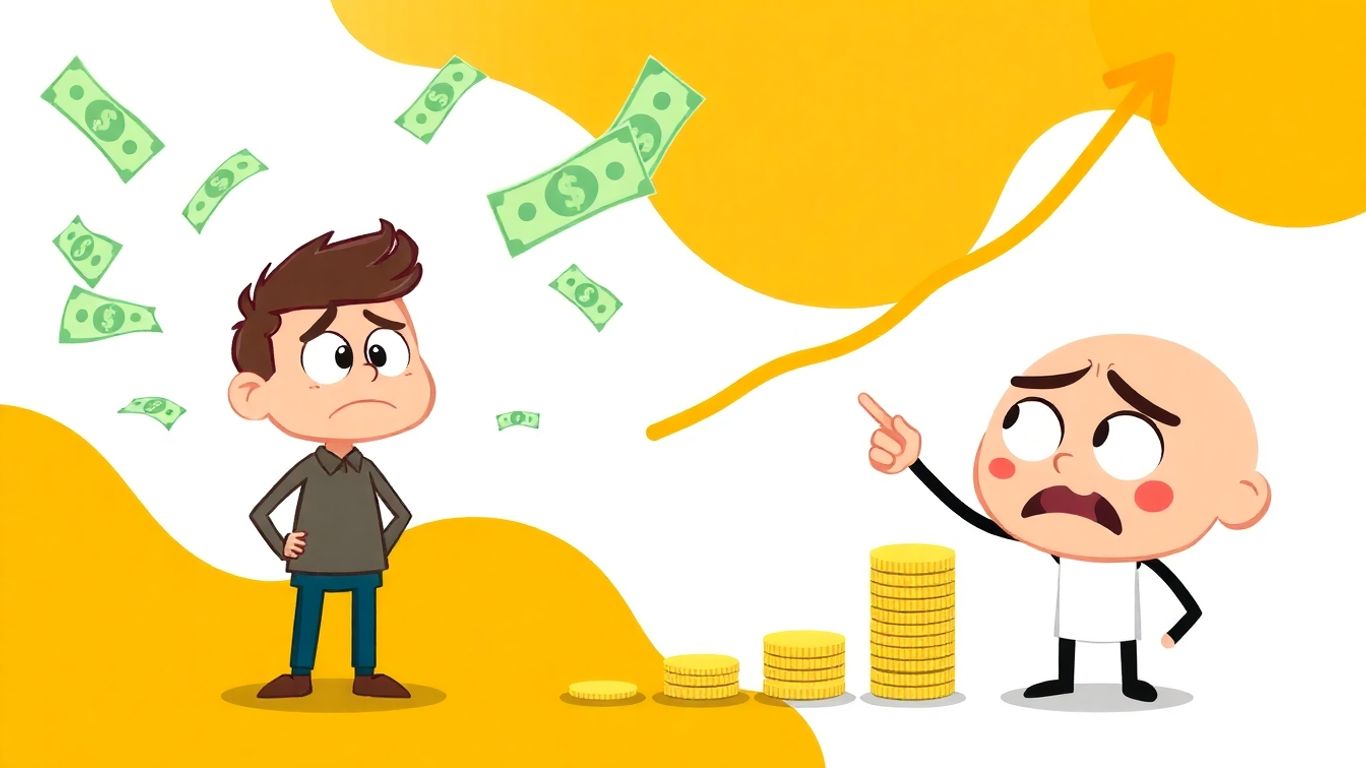
Okay, let’s talk about what happens when you can’t make your loan payments. This is a tough spot to be in, and it’s important to understand how it can really mess with your total loan balance. When you stop making payments, it’s not like everything just pauses. Interest keeps piling up, and lenders often add late fees and other penalties. These aren’t small amounts either; they get added right onto what you already owe.
Think of it like a snowball rolling downhill. It starts small, but it picks up more snow (interest and fees) and gets bigger and bigger, faster than you might expect. This can turn a manageable debt into a much larger one pretty quickly.
Here’s a quick look at how it can snowball:
- Accruing Interest: Even if you’re not paying, the interest clock is still ticking. This unpaid interest gets added to your balance.
- Late Fees: Most loans have penalties for missed payments. These are added charges that increase your balance.
- Collection Costs: If the loan goes to collections, there can be additional fees associated with that process.
- Default Interest Rates: Some loans might even have a higher interest rate that kicks in if you default.
Missing payments is a serious issue that can significantly inflate your loan balance. Beyond the immediate financial hit, defaulting can also damage your credit score, making it harder and more expensive to borrow money in the future. It’s a situation that’s best avoided if at all possible.
It’s a really stressful situation, and the financial consequences can be pretty severe. If you’re finding it hard to make payments, it’s always better to talk to your lender before you miss a payment. They might have options to help you out, like a temporary payment plan or a modification, which could be way better than letting the loan go into default.
Authorized Periods Of Nonpayment
Sometimes, life throws you a curveball, and you might need to pause your loan payments for a bit. Lenders sometimes allow for these authorized periods of nonpayment, like deferment or forbearance. It sounds like a relief, right? You get a break from making those monthly payments, which can be super helpful when you’re dealing with financial hardship, going back to school, or facing other big life events.
However, here’s the catch: even though you’re not actively paying, interest usually keeps ticking away. This accrued interest doesn’t just disappear; it often gets added back to your original loan balance. So, when you finally start making payments again, your total balance might be higher than when you paused.
Think of it like this:
- Deferment: This is often an option for student loans. You can postpone payments for a set period. During this time, interest might accrue and be added to your balance, especially on unsubsidized loans.
- Forbearance: This is more common for other types of loans, like mortgages or personal loans. It’s a temporary agreement to reduce or suspend payments. Like deferment, interest usually continues to build up.
- Grace Periods: After you take out a loan or leave school (for student loans), there’s often a grace period before payments are due. While you’re not making payments, interest can still be accumulating.
The key takeaway is that these pauses, while helpful, can lead to a bigger loan balance down the road because of the interest that’s been added. It’s always a good idea to talk to your lender about the specifics of any deferment or forbearance plan, especially regarding how interest will be handled.
Calculation Errors
It’s a bummer when you’re diligently making your loan payments, only to notice your balance isn’t going down as expected, or worse, it’s actually creeping up. While it’s not super common, sometimes this happens because of simple calculation errors on the lender’s end or by their payment processor. Think about it – these systems are complex, and mistakes can happen.
If you’ve been keeping up with your payments and suddenly see a balance that doesn’t make sense, don’t just shrug it off. The first thing you should do is reach out to your lender. They can pull up your account and review everything to see if there was a mistake. It’s possible that interest was calculated incorrectly, or a payment wasn’t applied right. It’s always worth a conversation to clear things up.
Here’s what might happen:
- Interest Miscalculation: The interest charged might have been higher than it should have been.
- Payment Application Error: Your payment might have been applied to the wrong part of your balance or not processed correctly.
- System Glitches: Sometimes, the software itself can have a hiccup, leading to incorrect figures.
If an error is found, the lender should correct it and adjust your balance accordingly. It’s a good reminder to keep an eye on your statements and understand how your loan is structured. If you’re unsure about the terms of your loan, it might be a good time to review them or even compare offers from different lenders to make sure you’re getting the best deal possible for a personal loan.
Sometimes, the simplest explanation is a mistake. Don’t hesitate to ask questions if something seems off with your loan balance. It’s your money, and you deserve clarity.
It’s easy to make mistakes when dealing with numbers. Sometimes, simple errors can pop up in calculations, leading to confusion. If you’ve run into any calculation errors or need help understanding them, we’re here to assist. Visit our website for clear explanations and solutions.
Wrapping It Up
So, there you have it. It’s easy to see how your loan balance can creep up without you really noticing, right? Things like interest, fees, or even just changing your loan terms can really add up. It can feel overwhelming, but knowing these things is the first step. Don’t beat yourself up if you’ve encountered some of these. Life happens! The important thing is to keep an eye on your statements, understand what you’re signing up for, and make a plan. You’ve got this, and taking control of your loan balance is totally achievable.
Frequently Asked Questions
What does it mean if my loan balance goes up even when I’m making payments?
This can happen for a few reasons! Sometimes, if your payment isn’t enough to cover the interest that’s added each month, the extra interest gets added to your total balance. Also, things like late fees, or if interest is added to your balance during a pause in payments (like deferment), can make your balance grow.
How do interest rates affect my total loan balance?
The interest rate is basically the cost of borrowing money. A higher interest rate means you’ll pay more extra money over time. If you have a variable rate, it can go up, making your balance grow faster. Even with a fixed rate, if it’s high to begin with, you’ll end up paying more overall.
Can late fees really make my loan balance much bigger?
Yes, they can! If you miss a payment deadline, lenders often charge a late fee. This fee is added directly to your loan balance. If you keep missing payments, these fees can really add up, making your debt grow much faster than you might expect.
What are origination fees and how do they increase my loan balance?
Origination fees are charges from the lender for setting up and processing your loan. They’re usually a percentage of the loan amount. Sometimes, these fees are added to your total loan balance right away, meaning you owe more from the very beginning.
If I pause my loan payments, will my balance still increase?
Often, yes. When you’re in a period of deferment or forbearance, you usually don’t have to make payments. However, interest often keeps adding up during this time. This accumulated interest gets added to your balance, so when you start paying again, your total amount owed might be higher.
How does refinancing or consolidating loans affect my balance?
Refinancing or consolidating can sometimes lower your monthly payments, but they can also extend the time you have to pay back the loan. Paying for a longer time usually means you’ll pay more in total interest, which can increase your overall loan balance over the years. Plus, there might be fees involved.
What happens to my loan balance if I stop making payments altogether?
If you stop making payments, it’s called defaulting. Your loan balance will shoot up quickly because interest keeps adding up, and you’ll likely get hit with many late fees and penalties. This also seriously damages your credit score.
Could a mistake by the lender make my loan balance go up?
It’s not super common, but yes, errors can happen. If you’re making all your payments on time and notice your balance is increasing unexpectedly, it’s worth contacting your lender. They can check for any calculation mistakes on their end that might be affecting your balance.