Getting a loan when you have a less-than-perfect credit history can feel tough. But it’s not impossible. Secured loans for bad credit offer a way to get the funds you need, even if your credit score isn’t great. The key is using something you own as collateral. This guide will walk you through how secured loans for bad credit work, from finding the right lender to managing your loan responsibly. We’ll break down the steps so you can make informed decisions.
Key Takeaways
- Secured loans for bad credit use your property, like a car or home, as collateral, making it easier to get approved even with a low credit score.
- Lenders look at more than just your credit score; they consider your income and the value of your collateral when deciding on secured loans for bad credit.
- Make sure the collateral you offer is something you own outright and has enough worth to cover the loan amount.
- Shop around and compare different lenders to find the best rates and terms for secured loans for bad credit, and watch out for unfair lending practices.
- Always read the loan agreement carefully before signing to understand all the interest rates, fees, and repayment details for your secured loan.
Understanding Secured Loans for Bad Credit
So, you’ve got some credit bumps in your past, and you’re looking for a loan. It can feel like a tough spot, but there are options, and secured loans are a big one. Think of them as a way to show a lender you’re serious about paying them back, even if your credit history isn’t perfect. It’s all about using something you own as a safety net for the lender.
What Exactly Are Secured Loans?
Basically, a secured loan is backed by collateral. This means you’re putting up an asset – like your car, a savings account, or even some valuable jewelry – as a guarantee. If, for some reason, you can’t make your loan payments, the lender has the right to take that collateral to get their money back. It’s a bit like putting down a deposit on something important. This is different from an unsecured loan, where there’s no collateral involved, making them riskier for lenders, especially if you have bad credit.
Why Collateral Matters for Bad Credit
When you have a less-than-stellar credit score, lenders see you as a higher risk. They worry about not getting their money back. Collateral helps ease that worry. By offering something of value, you’re essentially saying, ‘I’m committed to this loan, and here’s proof.’ This makes lenders more willing to approve your application, even with a lower credit score. It’s a way to bridge the gap when your credit history might otherwise hold you back. For example, a cash-secured loan uses your own savings as collateral, which can be a good way to build credit a cash-secured loan.
The Benefits of Using Collateral
Using collateral can open up some good possibilities. For starters, you might qualify for a larger loan amount than you would with an unsecured loan. You could also potentially get a lower interest rate because the lender’s risk is reduced. Plus, it’s a solid pathway to rebuilding your credit score. By making consistent, on-time payments on a secured loan, you demonstrate responsibility to credit bureaus, which can help improve your score over time. It’s a practical step towards a healthier financial future.
Assessing Your Eligibility for Secured Loans
So, you’ve got bad credit, and you’re looking into secured loans. That’s a smart move because using collateral can really open doors that might otherwise be shut. But before you get too far, it’s important to figure out if you actually qualify. Lenders aren’t just looking at one thing; they’re trying to get a full picture of your financial situation.
How Lenders View Bad Credit
When a lender looks at your credit score, a low number tells them you’ve had some trouble managing debt in the past. This could mean late payments, maxed-out credit cards, or even defaults. It doesn’t automatically mean you’re a bad risk, but it does mean they’ll be more cautious. They see it as a sign that you might struggle to repay a new loan. Because of this, they’ll often charge higher interest rates or ask for more security. It’s their way of protecting themselves in case things don’t go as planned.
What Lenders Look For Beyond Credit Score
While your credit score is a big piece of the puzzle, it’s not the only thing lenders consider, especially with secured loans. They want to see that you have a steady income. This shows you have the means to make your monthly payments. They’ll usually ask for proof, like pay stubs or bank statements. They also look at your debt-to-income ratio. This is basically how much debt you have compared to how much you earn. A lower ratio is better because it means you have more money left over after paying your bills. Some lenders might even consider your employment history. A stable job history can be a good sign that you’re reliable.
Determining How Much You Can Borrow
How much you can borrow with a secured loan really depends on two main things: the value of your collateral and your ability to repay. Lenders typically won’t lend you the full value of your asset. They usually offer a loan-to-value (LTV) ratio, which is a percentage of the collateral’s worth. For example, if you’re using your car as collateral and it’s worth $10,000, a lender might offer an LTV of 80%, meaning you could borrow up to $8,000. Your income and debt levels also play a big part. Even with good collateral, if your income isn’t enough to cover the payments comfortably, they won’t approve a large loan amount. It’s all about balancing the security of the asset with your financial capacity.
Here’s a general idea of how LTV might work:
| Asset Type | Typical LTV Range |
|---|---|
| Vehicle | 70% – 90% |
| Savings Account | 90% – 100% |
| Real Estate | 60% – 85% |
| Investments | 50% – 70% |
Remember, these are just general ranges. Each lender has its own specific policies, and the exact LTV offered can depend on the specific asset, its condition, and your overall financial profile. It’s always best to ask potential lenders directly about their LTV policies.
Gathering Your Collateral
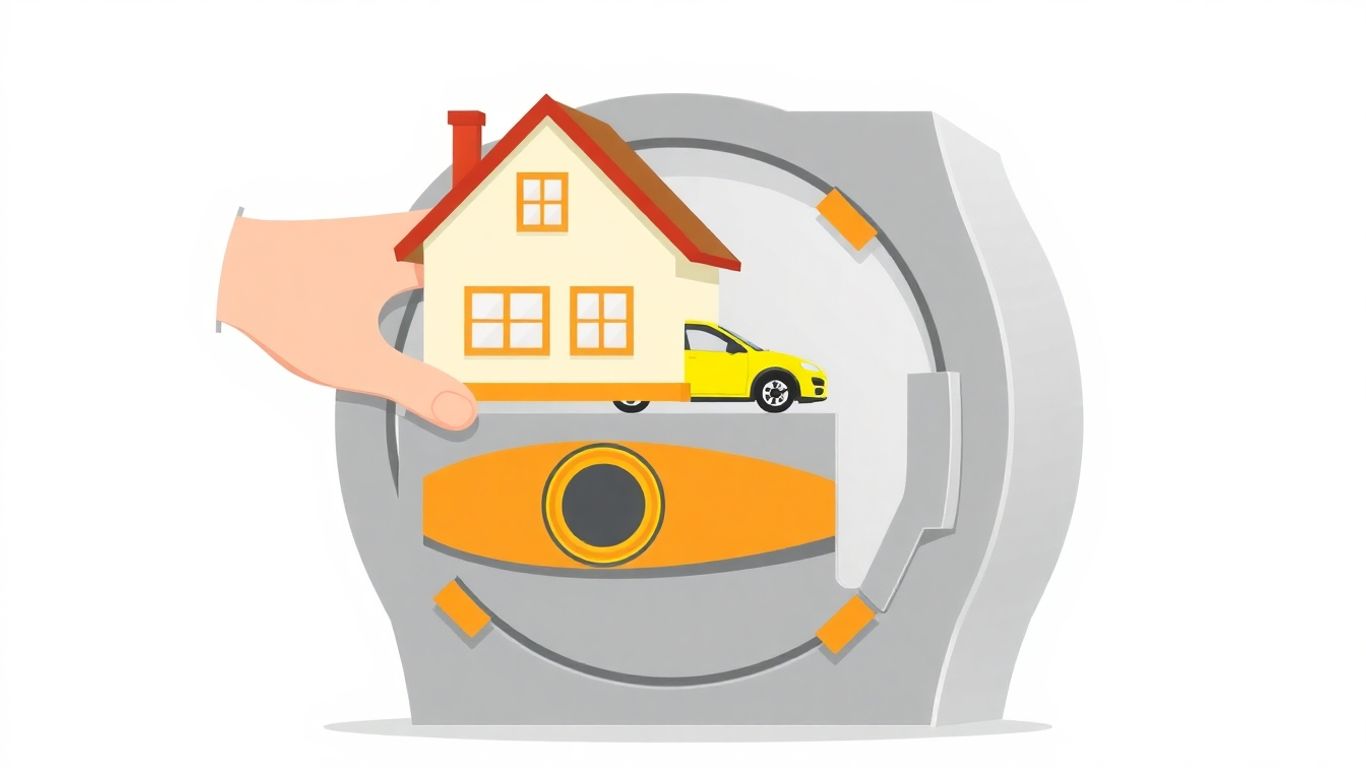
So, you’re looking into secured loans because your credit isn’t exactly stellar. That’s okay! Secured loans are a great way to get the funds you need, and the key here is collateral. Think of collateral as something you own that you pledge to the lender. If, for some reason, you can’t pay back the loan, the lender can take that item to get their money back. This makes it less risky for them, which is why they’re often more willing to lend to people with less-than-perfect credit.
Common Types of Collateral Accepted
Lenders are usually pretty flexible about what they’ll accept as collateral, as long as it has a solid value. Here are some common things people use:
- Vehicles: Your car, truck, or motorcycle can often be used. The lender will look at its make, model, year, and condition to determine its worth.
- Savings Accounts or Certificates of Deposit (CDs): If you have money sitting in a savings account or a CD, you might be able to use that. It’s a pretty safe bet for the lender since the money is already there.
- Real Estate: Your home or other property can be used, though this often involves a more complex process, like a home equity loan.
- Valuable Personal Property: This could include things like jewelry, electronics, or even certain types of equipment, depending on the lender and the item’s value.
Ensuring Your Collateral is Valuable
When you offer something as collateral, the lender needs to be sure it’s worth enough to cover the loan amount. They’ll typically do an appraisal or valuation. For a car, they’ll check its market value. For other items, they might look at recent sales prices or get an expert opinion. The goal is for the collateral’s value to be at least equal to, or ideally more than, the loan amount. This protects both you and the lender.
What Happens if You Can’t Provide Collateral
If you don’t have anything suitable to offer as collateral, a secured loan might not be an option for you. In this situation, you’d likely need to explore other types of loans, such as unsecured loans. Keep in mind that unsecured loans for bad credit can come with higher interest rates and stricter terms because there’s no asset backing them up. It might also be a good time to focus on improving your credit score before applying for any type of loan.
Finding the Right Lender for You
Okay, so you’ve got your collateral ready and you’re looking for a secured loan. This is where things can get a little tricky, but also really rewarding if you find the right fit. It’s not just about finding any lender; it’s about finding one that works for you, especially with less-than-perfect credit. Think of it like dating – you want someone who understands your situation and is willing to work with you.
Where to Look for Secured Loan Lenders
So, where do you even start looking? It might feel overwhelming, but there are a few good places to check out. You’re not limited to just one type of institution.
- Credit Unions: These are member-owned financial cooperatives. They often have more flexible lending criteria than big banks and might be more willing to work with members who have bad credit, especially if you have a history with them.
- Online Lenders: The internet is a huge marketplace for loans. Many online lenders specialize in secured loans and are set up to handle applications quickly. They often have competitive rates because their overhead is lower than traditional brick-and-mortar banks.
- Community Banks: Smaller, local banks can sometimes be more personal. They might know the local economy and be more inclined to consider your application based on more than just a credit score.
Comparing Lender Offers and Terms
Once you’ve found a few potential lenders, don’t just jump at the first offer. It’s super important to shop around. What looks good on the surface might have hidden costs or unfavorable terms.
Here’s what you should be comparing:
- Interest Rate (APR): This is the big one. The Annual Percentage Rate includes the interest rate plus any fees. A lower APR means you’ll pay less over the life of the loan.
- Loan Fees: Look out for origination fees, application fees, late payment fees, and prepayment penalties. Some lenders might waive certain fees, especially for repeat customers.
- Loan Term: This is how long you have to repay the loan. A shorter term means higher monthly payments but less interest paid overall. A longer term means lower monthly payments but more interest paid.
- Collateral Requirements: Make sure the lender’s requirements for collateral match what you have available and are comfortable using.
It’s helpful to make a little chart to keep track of everything. Something like this:
| Lender Name | APR | Origination Fee | Loan Term | Monthly Payment (Estimate) |
|---|---|---|---|---|
| Lender A | 15% | $200 | 36 months | $350 |
| Lender B | 18% | $100 | 48 months | $300 |
| Lender C | 16% | $0 | 36 months | $360 |
Beware of Predatory Lending Practices
This is really important. When you have bad credit, you can be a target for lenders who aren’t playing fair. These
Navigating the Application Process
So, you’ve found a lender and you’re ready to apply for that secured loan. It might seem a little daunting, but honestly, it’s usually pretty straightforward. Think of it like gathering ingredients for a recipe – you just need to make sure you have everything ready before you start cooking. This section will walk you through what you’ll likely need and what to expect.
What Information You’ll Need
Lenders want to get a clear picture of who you are and your ability to repay the loan. They’re not just looking at your credit score, especially with secured loans. They want to see stability and a plan. Here’s a general list of what you should have handy:
- Proof of Identity: This is usually a government-issued ID like a driver’s license or passport. Make sure it’s not expired!
- Proof of Address: Utility bills, a lease agreement, or bank statements showing your current address work well.
- Proof of Income: This is super important. Pay stubs, tax returns, or bank statements showing regular income are key. If you’re self-employed, you might need more documentation, like profit and loss statements.
- Details About Your Collateral: You’ll need to provide information about the asset you’re using as security. This could include the make, model, and year of a vehicle, or details about property ownership.
- Banking Information: Your account and routing numbers will be needed for direct deposit of the loan funds and for setting up repayment.
Submitting Your Loan Application
Most lenders today have online applications, which makes things pretty convenient. You’ll typically fill out a form with all the information we just talked about. Take your time with this part. Double-check everything before you hit submit. A simple typo could cause delays or even lead to your application being rejected, and nobody wants that.
Some lenders might still offer in-person applications or phone applications, so choose what feels most comfortable for you. The main thing is to be accurate and honest with all the details you provide.
What to Expect During Verification
Once you submit your application, the lender needs to verify the information you’ve given them. This is a standard part of the process. They’ll likely:
- Verify your identity: They might ask for copies of your ID or use electronic verification methods.
- Confirm your income: They’ll review your pay stubs or bank statements to make sure your income is consistent and sufficient.
- Appraise your collateral: If you’re using a car or property, they’ll need to determine its value. This might involve an inspection or an independent appraisal.
- Check your credit history: Even though it’s a secured loan, they’ll still look at your credit report to get a fuller picture.
This verification stage can take a few days, sometimes a bit longer depending on the lender and the complexity of your application. Try to be patient during this time. If the lender needs more information, respond as quickly as possible to keep things moving.
Remember, the goal of the application process is for the lender to feel confident that you can repay the loan and that their collateral is secure. Being prepared with all your documents and providing clear, accurate information makes this process much smoother for everyone involved.
Understanding Loan Agreements and Terms
So, you’ve found a secured loan that looks like a good fit. That’s awesome! But before you sign on the dotted line, let’s talk about what you’re actually agreeing to. Reading the loan agreement might seem like a drag, but it’s super important. This document is where all the nitty-gritty details live, and knowing them can save you a lot of headaches down the road. Think of it as the rulebook for your loan.
Decoding Interest Rates and Fees
This is probably the first thing most people look at, and for good reason. The interest rate is basically the cost of borrowing money. It’s usually expressed as a percentage. You’ll want to know if it’s a fixed rate (stays the same for the whole loan) or a variable rate (can go up or down).
Beyond the interest rate, there are often other fees involved. These can include:
- Origination fees: A charge for processing your loan.
- Late payment fees: What you pay if you miss a due date.
- Prepayment penalties: Fees if you decide to pay off the loan early.
- Annual fees: Some loans might have a yearly charge.
It’s really important to get a clear picture of all the costs, not just the interest. Sometimes those extra fees can add up surprisingly fast.
Repayment Schedules Explained
This part tells you exactly when and how much you need to pay back. Most secured loans have a set repayment schedule, meaning you’ll make regular payments (usually monthly) over a specific period. The agreement will lay out:
- The amount of each payment.
- The due date for each payment.
- The total number of payments.
Understanding this schedule helps you budget and make sure you don’t miss any payments. Missing payments can lead to fees and damage your credit, which is the opposite of what we’re trying to achieve here.
The Importance of Reading the Fine Print
Seriously, don’t just skim this part. The ‘fine print’ often contains important clauses about what happens if things go wrong. This could include:
- What constitutes a default on the loan.
- The lender’s rights regarding your collateral if you default.
- Any conditions under which the loan terms might change.
Take your time with this section. If anything is unclear, ask the lender to explain it. It’s better to ask a ‘silly’ question now than to face a surprise later. Remember, this agreement is a legal contract, so make sure you’re comfortable with everything before you sign.
Managing Your Secured Loan Responsibly
So, you’ve got your secured loan, and that’s a big step! Now comes the part where you make sure this loan helps you, not hurts you. It’s all about being smart with your payments and keeping things on track. Making your payments on time is the most important thing you can do. It shows lenders you’re reliable and helps you avoid extra charges.
Making On-Time Payments
This is pretty straightforward, but it’s the bedrock of managing any loan. When you pay on time, you avoid late fees, which can really add up. Plus, it’s how you build a positive history with your lender. Think of it as a commitment you’re making, and sticking to it is key.
What to Do If You Face Difficulty
Life happens, right? Sometimes, unexpected bills pop up, or your income takes a hit. If you think you might miss a payment or are already struggling, don’t just ignore it. Reach out to your lender immediately. Seriously, call them. They’d much rather work something out with you than have you default on the loan. They might be able to offer a temporary payment plan, defer a payment, or adjust your schedule. It’s always better to communicate than to hide.
It’s easy to feel embarrassed if you can’t make a payment, but remember, lenders deal with this all the time. They have options, and they want to help you succeed so you can pay them back. Being proactive is your best bet.
How Repayment Impacts Your Credit
Every single payment you make, on time or late, gets reported to the credit bureaus. Making consistent, on-time payments is one of the best ways to improve your credit score over time. It shows you can handle credit responsibly. On the flip side, missed payments can really damage your score, making it harder to get loans in the future. So, every payment is a chance to build a better financial future. To maintain good credit, avoid borrowing more than you can repay, making late payments, maxing out your credit limit, and neglecting to check your credit score regularly. These practices are crucial for responsible financial management. You can check your credit score regularly to see how you’re doing to maintain good credit.
Here’s a quick look at how payments affect your credit:
| Payment Status | Impact on Credit Score |
|---|---|
| On-Time Payment | Positive |
| Late Payment (30+ days) | Negative |
| Payment Plan Adherence | Positive |
| Default | Severe Negative |
Protecting Your Collateral
So, you’ve got a secured loan, which is great for getting the funds you need, especially with less-than-perfect credit. But, it’s super important to remember that the item you used as collateral is on the line. This isn’t just a formality; it’s the backbone of why the lender is willing to work with you. Keeping your collateral in good shape and understanding the risks involved is key to a smooth loan experience.
Understanding the Risk of Default
When you take out a secured loan, you’re essentially saying, ‘If I can’t pay this back, you can take my [collateral].’ This is the lender’s safety net. Defaulting on the loan means you’ve failed to make your payments as agreed. When this happens, the lender has the legal right to seize your collateral to recover their losses. It’s a serious consequence, and it’s why making your payments on time is so critical. Think of it like this: the collateral is the promise you’re making, and paying back the loan is how you keep that promise.
Keeping Your Collateral in Good Condition
Lenders want to know that the asset they’re holding as security is still worth something. If you’re using a car, for example, they don’t want to see it rusting away or falling apart. Regular maintenance, keeping it clean, and addressing any mechanical issues promptly are good practices. This not only helps protect the value of your collateral but also shows the lender you’re a responsible borrower. It’s a sign of good faith. If your collateral is something like a piece of jewelry, keeping it insured and stored safely can also be beneficial.
What Happens to Your Collateral if You Default
If you can’t make your loan payments, the lender will typically go through a process to repossess your collateral. The exact steps can vary depending on the type of collateral and local laws. For a car, this might mean it gets towed away. For other assets, it could involve a legal process to take ownership. Once the lender has the collateral, they’ll usually sell it to get their money back. If the sale doesn’t cover the full amount you owe, you might still be on the hook for the remaining balance. It’s a situation nobody wants to be in, so proactive communication with your lender if you foresee payment problems is always the best first step.
Improving Your Financial Future
Secured loans can be a stepping stone, not just a quick fix. Think of it as a chance to show lenders you’re reliable. By managing this loan well, you’re building a better financial story for yourself. It’s about more than just getting the money; it’s about what you do with it afterward.
Using Secured Loans to Rebuild Credit
This is where the real work begins. Making your payments on time, every time, is the most direct way to show improvement. Lenders report your payment history to credit bureaus, and consistent, on-time payments are exactly what they want to see. Over time, this positive activity can start to balance out past issues on your credit report. It’s a gradual process, but each good payment is a brick in the foundation of a stronger credit score. This consistent effort is key to rebuilding trust with future lenders.
Strategies for Long-Term Financial Health
Beyond just paying off the loan, think about your overall money habits. Are you saving anything, even a small amount? Setting up a budget can really help you see where your money is going and where you might be able to cut back. This frees up cash that can go towards your loan payments or even start a small emergency fund. Having a little cushion can prevent you from needing another loan when unexpected things pop up. It’s about creating a stable system for yourself.
Here are a few ideas to get you started:
- Create a Realistic Budget: Track your income and expenses for a month to see your spending patterns.
- Start an Emergency Fund: Aim to save at least $500 to $1,000 for unexpected costs.
- Reduce Unnecessary Spending: Look for subscriptions or habits you can trim.
- Set Financial Goals: Whether it’s paying off debt faster or saving for a down payment, having goals keeps you motivated.
Managing your finances is a marathon, not a sprint. Small, consistent steps add up significantly over time. Focus on building good habits that will serve you long after this loan is repaid.
Seeking Additional Financial Guidance
Sometimes, you just need a little extra help. There are resources available that can offer personalized advice. Think about credit counseling services; they can help you create a plan to manage debt and improve your credit. They aren’t lenders themselves, but they can provide objective advice. Exploring options for debt consolidation might also be something to consider down the line if you find yourself managing multiple debts. Getting professional advice can give you the clarity and tools you need to make smart decisions for your financial future.
Ready to build a brighter financial future? Taking control of your money now can lead to amazing things down the road. Don’t wait to start making smart choices for your finances. Visit our website today to learn how you can get started on your path to financial success.
So, What’s Next?
Look, we get it. Dealing with bad credit can feel like a real uphill battle, and the idea of getting a loan might seem impossible. But as we’ve walked through, it’s not the end of the road. Taking these steps, like understanding your credit, looking into secured options, and comparing lenders carefully, can really make a difference. Remember, Beehive Loans is out there in Utah, working to offer fair terms and even giving back to local causes. It’s about finding a path forward that works for you, even when things have been tough. Don’t give up on getting your finances back on track – there are options, and you can find them.
Frequently Asked Questions
What is a secured loan if I have bad credit?
A secured loan for someone with bad credit is like a loan where you promise to give the lender something valuable, like a car or a house, if you can’t pay the loan back. This ‘promise item’ is called collateral. Because you’re offering collateral, lenders are more willing to lend to you, even if your credit history isn’t perfect.
What kind of things can I use as collateral?
You can use many things as collateral. Common examples include your car, a house, savings accounts, or even valuable items like jewelry. The key is that the item must be worth enough money for the lender to get their money back if you don’t repay the loan.
Is it risky to use my stuff as collateral?
Yes, there’s a risk. If you can’t make your loan payments on time, the lender has the right to take the item you used as collateral. This is why it’s super important to be sure you can afford the payments before you agree to the loan.
How can a secured loan help my credit score?
Making your loan payments on time is key! When you consistently pay back your secured loan as agreed, it shows lenders you’re responsible. This positive behavior gets reported to credit bureaus, which can help build up your credit score over time, making it easier to get loans in the future.
What if I can’t find collateral to offer?
If you don’t have anything valuable to offer as collateral, it becomes much harder to get a secured loan. In this case, you might need to look into unsecured loans, but these often come with higher interest rates and stricter requirements, especially with bad credit. Sometimes, it might be better to work on improving your credit score first.
How do I know if a lender is trustworthy?
It’s wise to be careful. Look for lenders who are clear about their interest rates and fees. Avoid anyone who pressures you to sign quickly or asks for money upfront before approving the loan. Checking reviews and making sure they follow state laws, like Utah’s regulations for lenders, is a good idea.
What happens if I miss a payment?
If you miss a payment, you should contact your lender right away. They might be able to work out a new plan with you. However, missing payments can hurt your credit score and could eventually lead to losing your collateral. Acting fast is always best.
Can I get a secured loan even with really bad credit?
Having bad credit makes it tougher, but secured loans are designed for people in that situation. By offering collateral, you give the lender more security, increasing your chances of getting approved. The amount you can borrow and the interest rate will still depend on the value of your collateral and the lender’s policies.