So, you’re looking into getting a loan, maybe for a car, a house, or even just to consolidate some debt. You’ve probably seen terms like ‘interest rate’ and ‘APR’ thrown around, and honestly, they sound pretty similar, right? It’s easy to get a bit confused. But understanding the difference between APR vs interest rate is actually pretty important for making sure you’re getting the best deal possible. Let’s break it down so it makes sense.
Key Takeaways
- An interest rate is just the basic cost of borrowing money, shown as a percentage. It’s what the lender charges you for lending you cash.
- APR, or Annual Percentage Rate, is a bigger picture number. It includes the interest rate PLUS any extra fees and costs tied to the loan, like origination fees or closing costs.
- Because APR bundles in those extra costs, it usually ends up being a higher number than the interest rate alone. This is why APR is generally a better way to compare different loan offers.
- For credit cards and some other revolving credit lines, the interest rate and APR are often the same because there usually aren’t extra fees involved in calculating them.
- When comparing loans, especially mortgages or auto loans, always look at the APR to get a true apples-to-apples comparison of the total cost, not just the interest rate.
Understanding The Core Difference
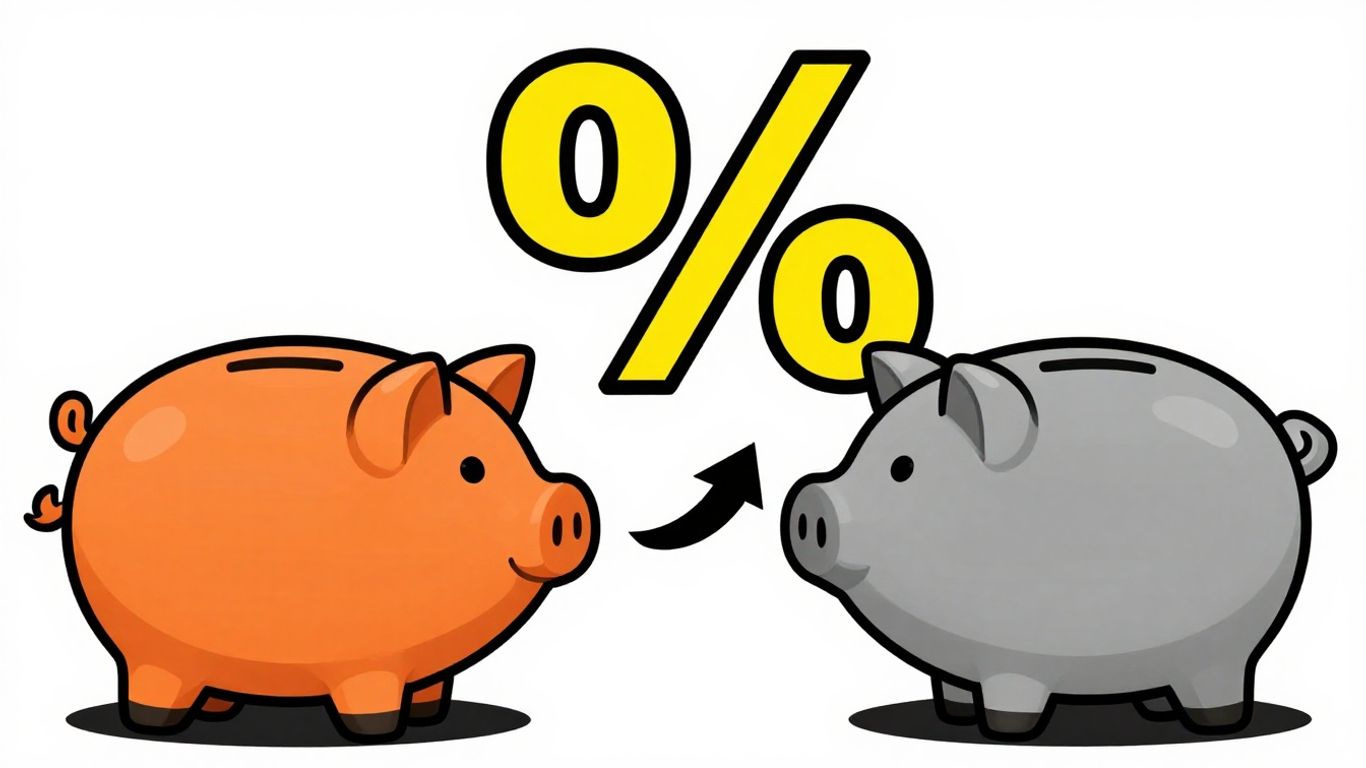
When you’re looking into borrowing money, whether it’s for a car, a house, or even just a credit card, you’ll run into a couple of terms that sound pretty similar: interest rate and APR. It’s easy to get them mixed up, but knowing the difference is actually pretty important for your wallet. Think of it like this: the interest rate is just one piece of the puzzle, while the APR tries to show you the whole picture.
What Exactly Is An Interest Rate?
At its heart, an interest rate is simply the cost of borrowing money. It’s usually shown as a percentage of the amount you’re borrowing. Lenders use this rate to figure out how much extra you’ll pay back over time. If you have a good credit history, you might get offered a lower interest rate, which means you’ll pay less for the loan. It’s the basic price tag for taking out a loan.
What Is An Annual Percentage Rate (APR)?
Now, the APR is a bit more involved. It’s also expressed as a percentage, but it includes not just the interest rate but also other fees and costs associated with getting the loan. Things like origination fees, closing costs, or even certain types of insurance can be rolled into the APR. The idea behind APR is to give you a more complete idea of the total cost of borrowing over a year. In the U.S., lenders are required by law to tell you the APR before you sign anything, thanks to the Truth in Lending Act.
The Key Distinction Between Them
So, what’s the main takeaway? The interest rate is just the cost of the money itself, while the APR is the cost of the money plus most of the fees that come with getting the loan.
Here’s a quick way to see the difference:
- Interest Rate: The base price of borrowing money.
- APR: The interest rate plus other loan-related fees, annualized.
It’s like buying a product. The interest rate is the sticker price of the item, but the APR is closer to the total amount you’ll pay after taxes and any handling fees are added. For most loans, the APR will be higher than the interest rate because of these extra costs. Understanding this difference helps you see the true cost of what you’re signing up for.
Why APR Gives You The Full Picture
When you’re looking at loans, it’s easy to get caught up in just the interest rate. It’s the number everyone talks about, right? But honestly, it’s only part of the story. Think of it like buying a car – the sticker price is important, but you also need to consider taxes, registration fees, and maybe even an extended warranty. APR is kind of like that for loans; it shows you the total cost, not just the base price.
Beyond Just the Borrowing Cost
The interest rate is basically the fee the lender charges you for borrowing their money. Simple enough. But loans often come with other costs that aren’t directly related to the interest itself. These can add up pretty quickly and make a big difference in what you actually end up paying over the life of the loan. APR bundles these extra costs into one easy-to-understand percentage. This way, you’re not left guessing about hidden expenses.
Including All the Little Extras
So, what are these
How Interest Rates Work For You
The Basic Cost Of Borrowing
So, you’re looking to borrow some money, huh? Whether it’s for a car, a house, or just to get through a tough patch, there’s usually a cost involved. That cost is called an interest rate. Think of it as the fee you pay the lender for letting you use their money. It’s always shown as a percentage, and it’s a pretty big deal when you’re figuring out how much you’ll actually end up paying back.
How Interest Charges Are Calculated
When you borrow money, the interest you pay is calculated based on a few things. The main one is the amount you borrowed (that’s the principal). Then, there’s the interest rate itself. Most of the time, interest is calculated using a simple formula: Principal x Interest Rate x Time. So, if you borrow $10,000 at a 5% interest rate for one year, you’d pay $500 in interest. It’s not always that straightforward, especially with things like credit cards where they look at your average daily balance, but the basic idea is the same – you pay a percentage of what you owe.
Here’s a quick look at how it generally works:
- Principal: The original amount of money you borrow.
- Interest Rate: The percentage the lender charges you to borrow the money.
- Time: The duration over which you’ll be repaying the loan.
Keep in mind that for longer loans, like mortgages, the way interest is calculated over time can change. Early on, a bigger chunk of your payment goes towards interest, and later on, more goes towards paying down the actual amount you borrowed.
Fixed vs. Variable Rates Explained
When you get a loan, the interest rate can either stay the same for the entire life of the loan, or it can change. If it stays the same, that’s a fixed interest rate. This is nice because you know exactly what your payments will be each month, no surprises! On the other hand, a variable interest rate can go up or down over time. This usually happens when the loan is tied to something like the prime rate or other market conditions. Variable rates can be lower to start, but they carry the risk of increasing later, which could make your payments higher than you expected.
Decoding The APR Calculation
What Goes Into The APR Number?
So, you’ve seen the APR percentage, but what exactly makes up that number? Think of it like this: the interest rate is just one piece of the puzzle. The Annual Percentage Rate (APR) takes that interest rate and adds on a bunch of other costs associated with getting the loan. These aren’t just random charges; they’re fees that the lender charges you for the privilege of borrowing their money. It’s all about giving you a clearer picture of the total cost, not just the basic borrowing fee.
The Impact Of Fees And Costs
When you’re looking at a loan, especially things like mortgages or auto loans, there are often a bunch of extra fees that can sneak in. These might include things like:
- Origination fees: This is a fee the lender charges for processing your loan application.
- Closing costs: For mortgages, this can cover a lot of different things like appraisal fees, title insurance, and recording fees.
- Points: Sometimes, you can pay
When APR And Interest Rate Are The Same
The Credit Card Exception
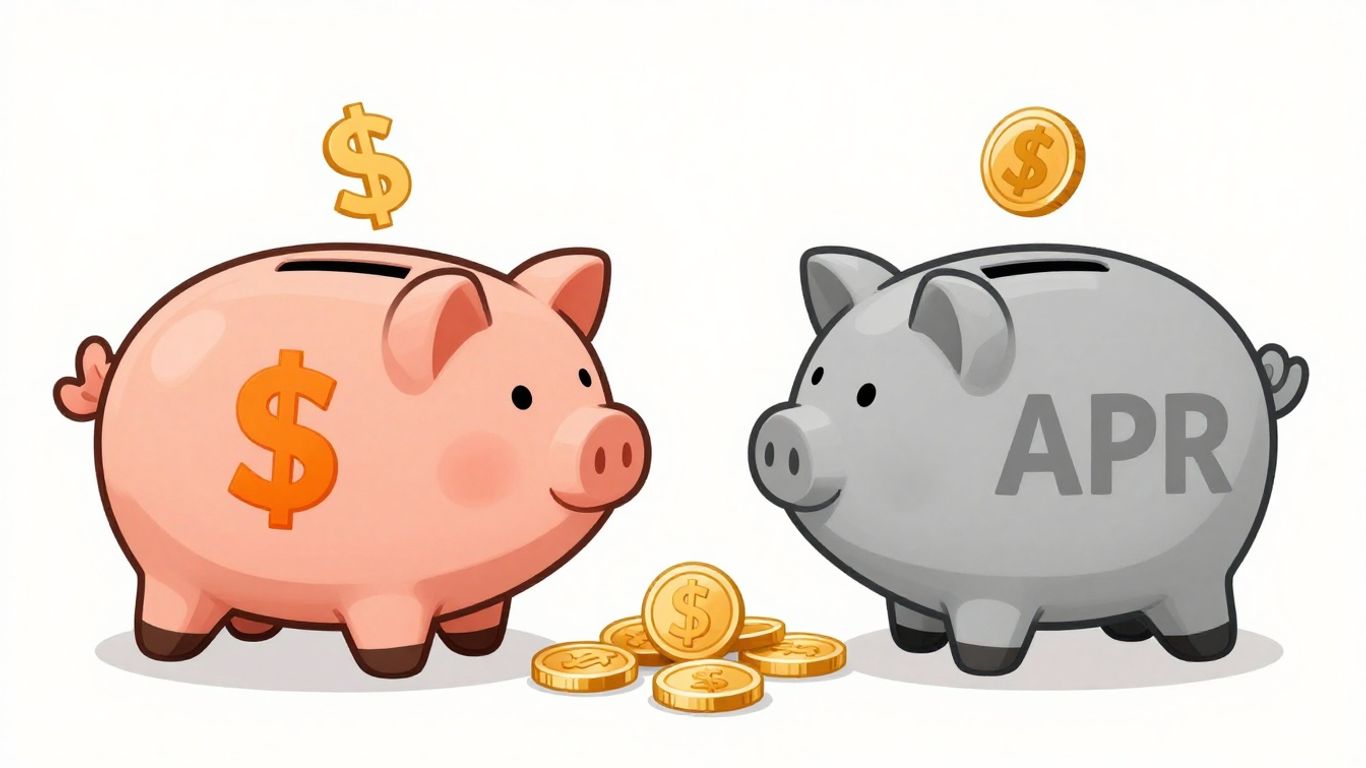
So, we’ve talked a lot about how APR usually gives you the bigger picture by including fees, right? Well, there’s a common situation where the interest rate and the APR are actually the same number. This usually happens with credit cards. For most credit cards, the APR is just the interest rate. Lenders don’t typically add a bunch of extra fees to the APR calculation for these types of accounts. So, when you see the interest rate and the APR listed for a credit card, they’re often identical. This makes comparing credit card offers a bit simpler in that regard, as you’re looking at the same core cost.
Revolving Credit Lines
Similar to credit cards, other types of revolving credit, like a home equity line of credit (HELOC), often have an APR that’s the same as the interest rate. These accounts work on a revolving basis, meaning you can borrow, repay, and borrow again. Because they don’t usually come with the upfront fees that installment loans (like car loans or mortgages) do, the APR calculation doesn’t need to factor in those extra costs. So, for HELOCs and similar products, the interest rate and APR are generally interchangeable. It’s still good practice to check the fine print, but you’ll find they often line up.
Loans Without Extra Fees
Sometimes, you might find a loan that doesn’t have a lot of extra fees attached. Think of a simple personal loan from a friend or family member, or maybe a very basic loan product from a credit union that waives most origination or application fees. In these specific cases, if there are no significant fees to add into the calculation, the APR will end up being the same as the interest rate. It’s not super common for larger, formal loans, but it can happen. The key takeaway is that APR is higher than the interest rate only when there are additional fees included in the calculation. If there are no such fees, they’ll be the same number.
Learn more about different loan costs in our: Loan Fees and Costs Guide.
Making Smart Loan Comparisons
So, you’re looking at loan offers, and it’s easy to get caught up just looking at the interest rate, right? It seems like the main number. But here’s the thing: just focusing on the interest rate can sometimes lead you down the wrong path. It’s like looking at the price tag of a car without considering the cost of gas or insurance – you’re not seeing the whole picture.
Why Just Looking At Interest Isn’t Enough
Think about it. The interest rate is just one piece of the puzzle. It tells you how much the lender charges you for borrowing their money, plain and simple. But loans often come with other costs, like origination fees, application fees, or even closing costs. These little extras can add up, and they don’t always show up clearly when you’re just staring at the interest rate. If you don’t account for these, you might end up paying way more than you expected.
Using APR For An Apples-To-Apples View
This is where the Annual Percentage Rate, or APR, really shines. Remember, APR includes that interest rate plus most of those extra fees and costs, all calculated over the life of the loan. It’s designed to give you a more honest look at the total cost of borrowing. So, when you’re comparing two different loan offers, and they have the same interest rate but different APRs, the one with the lower APR is usually the better deal. It’s the best way to get an apples-to-apples comparison between lenders. You can find APRs from 6.7% to 35.99% on personal loans, for example, so seeing that range helps you understand what’s typical. Compare personal loan rates.
Considering Both For The Best Deal
While APR is super helpful, it’s still smart to glance at the interest rate too. Sometimes, a loan might have a slightly higher APR because of fees, but if the interest rate itself is significantly lower, and you plan to pay the loan off early, you might still save money. It really depends on your specific situation and how long you plan to keep the loan.
Here’s a quick breakdown:
- Interest Rate: The basic cost of borrowing money.
- APR: The total cost of borrowing, including interest and most fees, shown as a yearly rate.
- Loan Term: How long you have to repay the loan.
When you’re comparing loans, always ask for the APR. It’s the most reliable number for understanding the true cost of what you’re signing up for. Don’t be afraid to ask lenders to explain any fees that are included or not included in their APR calculation.
Navigating Mortgage Offers
Buying a home is a huge deal, and figuring out the mortgage part can feel like a whole other job. You’ll see two main numbers thrown around: the interest rate and the APR. They sound similar, but they tell you slightly different things about how much that loan is really going to cost you over time. It’s super important to get these straight, especially with mortgages, because they’re usually for a lot of money and a long time.
Interest Rate vs. APR in Home Loans
Think of the interest rate as the basic price tag for borrowing money. It’s the percentage the lender charges you just for letting you use their cash. But, when you’re getting a mortgage, there are usually other costs involved that aren’t just the interest. That’s where the APR comes in. The Annual Percentage Rate (APR) takes that interest rate and adds in most of the other fees and costs associated with getting the loan. This gives you a more complete picture of your yearly borrowing cost.
Closing Costs and Other Fees
Mortgages come with a bunch of extra fees that can really add up. These are often called closing costs. They can include things like:
- Appraisal fees (to check the home’s value)
- Title insurance (to protect against ownership issues)
- Origination fees (charged by the lender for processing the loan)
- Recording fees (to make the loan official with the government)
- Attorney fees (if you use one)
These fees are rolled into the APR calculation, making it a more honest reflection of the total cost of the loan than just the interest rate alone. The APR is designed to show you the true cost of borrowing.
Securing the Best Mortgage Deal
When you’re comparing different mortgage offers, looking at the APR is usually the best way to compare apples to apples. A loan with a lower interest rate might look great, but if it has higher fees, its APR could end up being higher than a loan with a slightly higher interest rate but fewer fees. Always check both the interest rate and the APR, and read the fine print on all the fees. It’s also a good idea to get quotes from a few different lenders to make sure you’re getting the best deal possible for your situation. Remember, the goal is to find a loan that fits your budget not just today, but for the entire life of the loan.
Tips For Getting A Better Rate
So, you’re looking to snag a better deal on a loan, huh? It’s totally doable, and honestly, it’s worth the effort. Think of it like shopping for anything else – you want the best bang for your buck. Here are a few things that can really help you out.
The Role Of Your Credit Score
Your credit score is a pretty big deal when it comes to loans. Lenders look at it to get a sense of how reliable you are with money. A higher score generally means you’re seen as less of a risk, and that usually translates to a lower interest rate. It’s not magic, but it’s definitely a major factor. Making payments on time and keeping your credit card balances low are key ways to build or maintain a good score.
Shopping Around For Loans
This is probably the most important tip. Don’t just go with the first lender you talk to. Seriously, take the time to compare offers from a few different places. Even a small difference in the interest rate or APR can add up to a lot of savings over the life of the loan. You might be surprised at how much rates can vary between lenders for the same loan amount.
Here’s a quick look at why comparing matters:
- Interest Rate: This is the basic cost of borrowing money.
- APR: This includes the interest rate plus most fees, giving you a more complete picture of the loan’s total cost.
- Fees: Some lenders might have lower interest rates but pile on extra fees, making their APR higher.
When you’re comparing loan offers, make sure you’re looking at the APR. It’s the most honest way to see which loan will actually cost you less in the long run, especially if you plan to keep the loan for its full term. Comparing just the interest rate can be misleading.
Understanding Lender Requirements
Different lenders have different rules and requirements. Some might be more flexible with credit scores or down payments than others. If you’re looking at government-backed loans, like FHA or VA loans, they often come with more lenient requirements and potentially lower rates compared to conventional loans. It’s worth looking into these options if you qualify. Also, sometimes offering a larger down payment can significantly lower the risk for the lender, which can lead to a better rate for you. It’s all about reducing the lender’s risk, which in turn reduces your cost.
Common Loan Scenarios
Auto Loans and Their Costs
When you’re looking to buy a car, you’ll likely be offered an auto loan. The interest rate on these loans can seem straightforward, but remember to look at the APR too. That APR will give you a clearer picture of the total cost, including things like dealer fees or other charges that might be rolled into the loan. It’s not just about the sticker price of the car; it’s about the total amount you’ll pay back over time.
Here’s a quick look at what can affect your auto loan:
- Interest Rate: The basic cost of borrowing money.
- Loan Term: How long you have to pay the loan back. Shorter terms usually mean higher monthly payments but less interest paid overall.
- Fees: Origination fees, documentation fees, or even add-ons like extended warranties can increase the total cost.
- Down Payment: A larger down payment can lower the amount you need to borrow, potentially leading to a better interest rate.
Always ask for a breakdown of all fees associated with the auto loan. Sometimes, a slightly higher interest rate with fewer fees can be a better deal than a lower interest rate with a lot of extra charges.
Personal Loans Explained
Personal loans are super flexible. You can use them for almost anything – consolidating debt, unexpected medical bills, home improvements, or even a big vacation. Because they’re often unsecured (meaning no collateral is involved), the interest rates can sometimes be higher than secured loans like mortgages or auto loans. Again, the APR is your best friend here. It bundles up that interest rate with any application fees or other costs, showing you the real price tag.
When comparing personal loans, keep these points in mind:
- Loan Amount: How much do you actually need? Lenders offer amounts from a few thousand dollars up to $250,000.
- Repayment Period: You’ll see terms ranging from a year to ten years. A longer term means smaller monthly payments, but you’ll pay more interest over time.
- Lender Fees: Look out for origination fees, late payment fees, or even prepayment penalties if you decide to pay the loan off early.
For example, if you borrow $10,000 at a 6% interest rate but there’s a $200 origination fee, your APR could jump significantly, showing you the true cost of borrowing that money. It’s easy to get caught up in just the interest rate, but the APR tells the whole story.
Student Loans: What To Watch For
Student loans are a big one for many people, helping to fund education. There are federal student loans and private student loans, and they work a bit differently. Federal loans often have fixed interest rates and more borrower protections, while private loans can have fixed or variable rates and might come with more fees. Understanding the difference between the interest rate and the APR is especially important with student loans because you’ll be paying them back for a long time.
Here’s what to consider:
- Federal vs. Private: Federal loans generally offer more favorable terms and repayment options.
- Interest Rate Type: Fixed rates stay the same for the life of the loan, while variable rates can go up or down.
- Loan Fees: Some student loans, especially private ones, might have origination fees or other charges that are factored into the APR.
- Repayment Plans: Explore different repayment options, as they can significantly impact how much interest you pay over the life of the loan.
It’s wise to exhaust federal loan options before looking into private ones. If you do go the private route, compare those APRs carefully to make sure you’re getting the best deal possible for such a long-term commitment.
So, What’s the Takeaway?
Alright, we’ve talked a lot about interest rates and APRs. It can feel like a lot to keep track of, right? Just remember, the interest rate is like the base price of borrowing money, but the APR? That’s the real deal, showing you the total cost including all those extra fees. Think of it like buying something online – the item price is the interest rate, but the final checkout price, with shipping and taxes, is more like the APR. So, when you’re looking at loans, don’t just glance at the interest rate. Always compare the APRs to really see which loan is going to be kinder to your wallet in the long run. It might take a little extra effort, but understanding this difference can save you a good chunk of change. You’ve got this!
Frequently Asked Questions
What’s the main difference between an interest rate and APR?
Think of the interest rate as just the price of borrowing money. APR, on the other hand, is like the total cost of borrowing. It includes the interest rate plus any extra fees or charges that come with the loan, like loan setup fees or closing costs. So, APR gives you a bigger, more complete picture of what you’ll actually pay.
Why is APR usually higher than the interest rate?
APR is typically higher because it adds up all the extra costs associated with the loan, not just the interest. These can include things like loan origination fees, points you might pay to get a lower rate, and even some closing costs. The interest rate only covers the basic cost of borrowing the money itself.
When are the interest rate and APR the same?
For credit cards and some other types of borrowing like home equity lines of credit (HELOCs), the interest rate and APR are usually the same. This is because these types of accounts typically don’t have the extra fees that get bundled into the APR for other loans like mortgages or car loans.
How can I get a lower APR?
To get a better APR, focus on improving your credit score by paying bills on time and keeping your credit card balances low. Also, make sure to shop around! Comparing offers from different lenders can help you find a loan with a lower interest rate and fewer fees, which will lead to a lower APR.
Is it better to look at the interest rate or the APR when comparing loans?
It’s best to look at both! The interest rate tells you the basic cost of borrowing, but the APR shows you the total cost, including fees. Comparing APRs is a great way to see which loan is truly cheaper overall, especially when comparing different lenders who might have different fee structures.
Do all loans include fees in their APR?
Most installment loans, like mortgages, car loans, and personal loans, will include fees in their APR calculation. However, credit cards and home equity lines of credit (HELOCs) usually don’t add these extra fees to their APR, so the APR and interest rate are often the same for them.
What does APR stand for?
APR stands for Annual Percentage Rate. It’s a way to measure the yearly cost of borrowing money, and it includes not only the interest you’ll pay but also any additional fees associated with the loan.
Why is it important to understand the difference between interest rate and APR?
Understanding the difference helps you make smarter financial decisions. If you only look at the interest rate, you might miss out on extra fees that make a loan more expensive. By comparing APRs, you get a clearer picture of the total cost of borrowing, allowing you to find the best deal for your needs.