So, what exactly is a credit limit? It’s basically the ceiling on how much you can borrow using a credit card or a line of credit. Think of it as the maximum amount a lender is willing to let you spend. Lenders figure out this number based on a bunch of things, like how much you earn and your history of paying back loans. It’s a pretty big deal because it can affect your credit score and how easy it is to get credit in the future. We’ll break down what it means, how it’s decided, and why it matters to your wallet.
Key Takeaways
- A credit limit is the highest amount a lender will let you borrow on things like credit cards or loans.
- Lenders look at your credit score, how much you make, and your past payment habits to set this limit.
- People seen as less risky usually get higher limits, while riskier borrowers might get lower ones.
- Going over your credit limit can cost you extra fees and might hurt your credit score because you’re using more of your available credit.
- Managing your credit limit well can help your credit score and open up more financial options down the road.
What Is a Credit Limit, Really?

So, you’ve probably heard the term “credit limit” thrown around, maybe when you applied for a new credit card or thought about getting a loan. But what exactly is it? Simply put, your credit limit is the maximum amount of money a lender is willing to let you borrow on a specific credit account, like a credit card or a line of credit. Think of it as the ceiling on how much you can spend before you hit a wall.
Understanding The Maximum You Can Borrow
This limit isn’t just some random number. It’s a figure set by the bank or credit card company based on a few things about you, like your income and how you’ve handled credit in the past. It’s the absolute top dollar you can charge to that particular card or borrow from that line of credit. Once you reach it, you generally can’t spend any more on that account until you pay down some of the balance. It’s important to know this number so you don’t accidentally go over it.
It’s Not Just For Credit Cards
While credit cards are the most common place people encounter credit limits, they aren’t the only ones. You’ll also find them on other types of credit, such as personal lines of credit or even home equity lines of credit (HELOCs). For secured credit, like a HELOC, the value of your home’s equity often plays a big role in determining that limit. So, it’s a concept that applies across different financial tools.
Key Takeaways To Remember
- Maximum Borrowing Amount: It’s the highest amount you can borrow on a credit card or line of credit.
- Lender Determined: The lender sets this limit based on your financial profile.
- Impacts Spending: Knowing your limit helps you manage your spending and avoid fees.
- Not Static: Your credit limit can change over time, either up or down.
It’s really about setting a boundary for how much you can borrow. Lenders use it as a way to manage their risk, and you can use it as a guide to manage your own spending. Keeping an eye on it is just smart financial practice.
How Lenders Decide Your Credit Limit
So, you’re wondering how exactly a bank or credit card company decides how much credit to give you? It’s not just a random number pulled out of a hat. They’ve got a whole process to figure out what they think you can handle. Think of it like this: they’re trying to get a picture of your financial life to see how likely you are to pay them back.
Your Financial Snapshot Matters
When a lender looks at you, they’re basically checking out your financial health. This involves a few key things:
- Income and Employment: How much money do you bring in regularly? Where do you work, and how stable is that job? A steady income from a reliable job makes you look like a safer bet. They want to know you have the cash flow to make payments.
- Debt-to-Income Ratio (DTI): This is a big one. It compares how much you owe each month in debt payments to how much you earn before taxes. If you’ve got a lot of debt already, adding more might be risky for them. A lower DTI usually means you have more room in your budget for new credit.
Looking At Your Past Behavior
Your history is a pretty good indicator of your future actions, at least in the eyes of lenders. They’ll dig into your credit report to see:
- Payment History: This is probably the most important part. Do you pay your bills on time? Have you ever missed payments, or worse, had accounts go to collections or filed for bankruptcy? A clean record here is gold.
- How Many Accounts You Have: Lenders also look at how many credit accounts you currently manage. Having too many open accounts, or accounts with high balances across the board, can sometimes be a red flag.
- How Long You’ve Had Credit: The length of your credit history matters too. If you’ve managed credit responsibly for a long time, that’s a positive sign.
Income And Employment Checks
Beyond just looking at your credit report, lenders often do a direct check on your income and employment. They might ask for pay stubs, W-2s, or tax returns to verify the income you’ve stated on your application. This is to make sure you’re not exaggerating your earning potential. They want to be sure that the credit limit they set is something you can realistically manage without getting into trouble.
Lenders use all this information to build a profile of your financial reliability. It’s their way of assessing the risk involved in lending you money. The less risk they perceive, the more likely you are to get a higher credit limit.
Factors That Influence Your Limit
So, you’re wondering what goes into deciding how much credit a lender is willing to give you? It’s not just a random number pulled out of a hat. Several things play a role, and understanding them can help you see why some people get higher limits than others.
Your Credit Score’s Role
Think of your credit score as your financial report card. A higher score generally means you’ve been responsible with credit in the past, paying bills on time and managing debt well. Because of this, lenders feel more comfortable offering you a larger amount of credit. It’s like getting a good grade and earning more privileges. A good score signals to lenders that you’re a lower risk, and they’re more likely to extend a higher credit limit.
How Much You Already Owe
Lenders also look at how much debt you’re currently juggling. If you already have a lot of loans or credit card balances, they might be hesitant to add a lot more. They want to make sure you can handle the payments without getting too stretched. It’s a balancing act; they don’t want to lend you so much that it becomes a problem for you to pay it back.
Here’s a quick look at what they might consider:
- Existing Loans: Mortgages, car loans, student loans.
- Credit Card Balances: How much you owe on other cards.
- Other Lines of Credit: Personal loans or any other borrowed money.
Your History With Credit
This is all about your track record. How long have you been using credit? Have you consistently paid your bills on time? Have you ever missed payments or had accounts go to collections? A long history of responsible credit use is a big plus. It shows lenders you know how to handle credit and can be trusted with more. It’s not just about the score; it’s about the story your credit history tells.
Lenders want to see that you’ve managed credit well over time. This includes paying bills promptly and not taking on more debt than you can reasonably handle. A consistent pattern of good financial behavior is a strong indicator of future reliability.
Credit Limits And Your Credit Score
The Connection Explained
So, how does that number your credit card company gives you actually connect to your credit score? It’s all about something called your credit utilization ratio. Think of it like this: your credit limit is the total amount of money you could spend, and your credit utilization is how much of that you’re actually using. Lenders look at this ratio pretty closely. It’s one of the bigger pieces of the puzzle when they’re figuring out your credit score.
Why It’s Important To Keep It Low
Generally, keeping your credit utilization ratio low is a good thing for your score. Most experts suggest aiming to use less than 30% of your available credit. So, if you have a credit card with a $10,000 limit, try to keep your balance below $3,000. Why? Because using a lot of your available credit can sometimes signal to lenders that you might be overextended or at a higher risk of not being able to pay back what you owe. It’s not a hard and fast rule, but it’s a solid guideline.
How Utilization Affects Your Score
Here’s a quick breakdown of how it works:
- High Utilization: If you’re consistently using a large portion of your credit limit, it can negatively impact your credit score. This might make it harder to get approved for new loans or credit cards in the future, or you might end up with higher interest rates.
- Low Utilization: On the flip side, using a small percentage of your credit limit shows lenders you’re managing your credit responsibly. This can help boost your credit score over time.
- Sudden Changes: A big jump in your utilization, like maxing out a card, can cause a noticeable dip in your score. It’s better to keep balances relatively low and consistent.
Remember, your credit limit isn’t just a spending cap; it’s a factor in how lenders see your financial health. Keeping that utilization ratio in check is a smart move for your credit score.
What Happens If You Go Over?
So, you’ve accidentally spent a little more than your credit limit allows. It happens! Don’t panic just yet. What actually happens next can vary a bit depending on your card issuer and the specific transaction.
Potential Fees and Penalties
The most common consequence is a fee. Many credit card companies will charge you an “over-the-limit” fee if you exceed your credit limit. This fee can sometimes be a flat amount, or it might be a percentage of the amount you went over. It’s definitely something you want to avoid if possible, as it just adds to your debt.
However, there are some rules about these fees. For instance, if a merchant places a temporary hold on your card that pushes you over your limit (like when you’re at a gas pump and they estimate your fill-up cost), and your actual purchase is less than that hold, your issuer might not be able to charge you an over-the-limit fee. Also, you usually have to opt-in to an “over-the-limit coverage program” for them to charge you this fee. If you haven’t opted in, they might just decline the transaction instead.
Will Your Transaction Be Approved?
This is the big question, right? Will that last-minute purchase go through, or will it be declined? It really depends on the lender. Some lenders will simply decline any transaction that would push your balance over your limit. Others might approve it, especially if you’ve opted into their over-the-limit program. It’s a bit of a gamble sometimes.
It’s always a good idea to know your card’s specific policy on exceeding the credit limit. Checking your cardholder agreement or contacting your bank directly can give you a clear picture of what to expect. This way, you’re not caught off guard.
How Some Lenders Handle It
Different companies have different approaches. Some, like Capital One, have stated they don’t charge over-the-limit fees at all. They might still decline a transaction that goes over, or they might approve it. They often give you tools online or through their app to see if a purchase might be approved if it exceeds your limit, and you can even set preferences to prevent spending over your limit.
Here’s a quick rundown of what might happen:
- Transaction Declined: The purchase simply doesn’t go through. This is common if you haven’t opted into any over-limit programs.
- Transaction Approved with Fee: The purchase goes through, but you’ll likely see an over-the-limit fee on your next statement. This usually requires you to have agreed to this possibility beforehand.
- Transaction Approved with No Fee (but maybe other consequences): Some lenders might approve it without a fee, but it could still negatively impact your credit utilization ratio, which we’ll talk about more later.
It’s really about understanding your specific card’s terms and conditions. If you’re frequently finding yourself close to your limit, it might be time to consider asking for a credit limit increase or being more mindful of your spending.
Available Credit vs. Credit Limit
Understanding The Difference
Okay, so you’ve got a credit card, and it has a credit limit. That’s the total amount the bank says you can spend, right? But what about the money you can actually use right now? That’s where “available credit” comes in. Think of your credit limit as the total capacity of a gas tank, and your available credit is how much gas is left in it. It’s the portion of your credit limit that you haven’t spent yet. So, if your credit limit is $5,000 and you’ve used $2,000, you have $3,000 in available credit. Simple enough?
How Your Available Credit Changes
Your available credit isn’t static; it moves around. Every time you make a purchase, your available credit goes down. When you make a payment, it goes back up. It’s like a seesaw! Even pending transactions can affect it. So, that online order you just placed? It might reduce your available credit even before the charge officially posts.
Here’s a quick rundown:
- Purchases: Decrease available credit.
- Payments: Increase available credit.
- Returns: Increase available credit.
- Fees & Interest: Decrease available credit.
- Pending Transactions: Can temporarily decrease available credit.
An Example To Clarify
Let’s say you have a credit card with a $10,000 credit limit. You’ve already spent $6,000 on it. That means you have $4,000 in available credit.
Now, imagine you make a $500 purchase. Your available credit drops to $3,500 ($4,000 – $500).
Later that week, you pay $1,000 towards your balance. Your available credit then increases to $4,500 ($3,500 + $1,000).
It’s really important to keep an eye on your available credit, not just your total credit limit. Knowing how much you can still spend helps you avoid accidentally going over your limit, which can lead to fees and hurt your credit score. It’s all about staying in control of your spending.
Can Your Credit Limit Change?
So, you’ve got a credit limit, and you know what it means. But does that number just sit there, unchanging, forever? Not exactly. Think of your credit limit less like a permanent fixture and more like a dynamic figure that can, and often does, shift over time. It’s not set in stone, and there are a few ways this can happen.
When Lenders Adjust Limits
Lenders aren’t just handing out credit limits and forgetting about them. They’re constantly keeping an eye on things. If you’ve been a model borrower – paying your bills on time, keeping your balances low, and generally showing you’re responsible with credit – your lender might decide you’re ready for a bit more spending power. They might proactively increase your credit limit. It’s like a little nod of approval from them to you.
On the flip side, if your financial habits change, or if they see signs of increased risk, they might decide to lower your limit. This could happen if you start missing payments, carrying high balances across many cards, or if your income situation changes significantly. It’s usually a good idea to keep an eye on your account activity and your credit reports to see if anything like this is happening.
Requesting A Higher Limit
Waiting for your lender to offer you a limit increase is one option, but you don’t always have to wait. If you’ve been using your credit responsibly and feel you could benefit from a higher limit – maybe for a big purchase or just to improve your credit utilization ratio – you can often ask for one. Most credit card companies have a way to request this, usually through their website, mobile app, or even by giving them a call. They’ll likely review your account and credit history again to make a decision.
What Happens If It’s Lowered?
Getting a notification that your credit limit has been lowered can be a bit of a shock, and honestly, it’s not great news for your credit utilization. When your limit drops, the amount you owe suddenly becomes a larger percentage of your available credit. For example, if you had a $10,000 limit and owed $3,000, your utilization was 30%. If the lender lowers your limit to $5,000 and you still owe $3,000, your utilization jumps to 60% overnight. This can negatively impact your credit score. Lenders are usually required to give you some notice before they lower your limit, so be sure to read your mail and emails from them carefully.
Tips For Managing Your Credit Limit
So, you’ve got a credit limit, and it’s important to keep an eye on it. It’s not just about knowing the maximum you can spend, but also about using that information wisely. Think of it like a budget, but for borrowing. If you manage it well, it can actually help your finances in the long run. Here are a few ways to stay on top of things.
Staying Below The Max
This might sound obvious, but it’s really the most important thing. Try not to get too close to your credit limit. When you’re constantly maxing out your cards, it can signal to lenders that you might be overextended. A good rule of thumb, often suggested by consumer watchdogs, is to try and keep your utilization ratio below 30%. So, if your limit is $10,000, aim to use no more than $3,000 of it. This gives you plenty of breathing room and looks good on your credit report.
Making Payments On Time
This is another big one. Paying your bills on time, every time, is super important. It shows lenders you’re reliable. If you can’t pay the full balance each month, at least make sure you pay the minimum amount due before the deadline. Missing payments can lead to fees, higher interest rates, and can really hurt your credit score. It’s better to pay a little late than not at all, but paying on time is the goal.
Monitoring Your Credit
It’s a good idea to keep tabs on your credit report and score regularly. You can get free copies of your credit report from the major credit bureaus each year. There are also free services that let you check your credit score without it affecting your actual score. This way, you can catch any errors and see how your credit habits are impacting your financial picture. Knowing where you stand helps you make better decisions about managing your credit limits and overall credit health.
Secured vs. Unsecured Credit Limits
How Collateral Plays A Part
When you hear about credit limits, you might immediately think of credit cards. But credit limits aren’t just for plastic. They apply to different types of borrowing, and a big difference comes down to whether the loan is secured or unsecured.
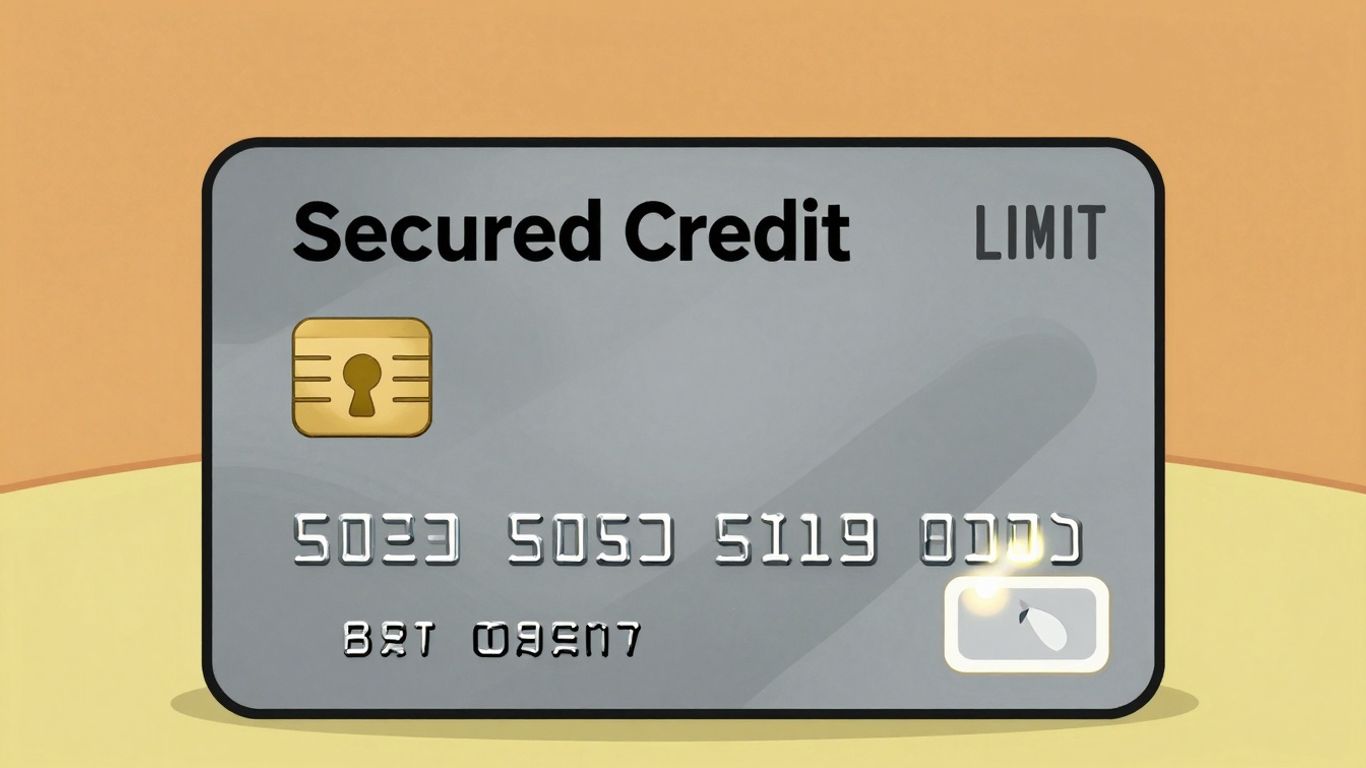
An unsecured credit limit, like the one on most credit cards or personal loans, is based purely on your creditworthiness – your credit score, income, and history. There’s no specific asset backing it up. If you can’t pay it back, the lender has fewer direct ways to recover their money.
On the other hand, a secured credit limit is tied to an asset you own, like a car or a house. This asset acts as collateral. Because the lender has something to fall back on if you default, they often feel more comfortable offering a higher limit. The value of the collateral is a major factor in determining how much you can borrow.
Limits on Different Account Types
Here’s a quick look at how limits can differ:
- Unsecured Credit Cards: These are the most common. Limits can range from a few hundred dollars for someone just starting out to tens of thousands for those with excellent credit and high income.
- Personal Loans (Unsecured): Similar to credit cards, these limits depend on your financial profile. You might get a few thousand dollars or much more.
- Auto Loans (Secured): The limit here is essentially the price of the car you’re buying, minus your down payment. The car itself is the collateral.
- Mortgages (Secured): The limit is the amount you can borrow to buy a home, based on the home’s value and your ability to repay.
What To Expect With A HELOC
A Home Equity Line of Credit (HELOC) is a great example of a secured credit line. Think of it like a credit card, but you’re borrowing against the equity you’ve built up in your home.
Your credit limit for a HELOC is directly tied to your home’s value and how much you still owe on your mortgage. Lenders typically look at your home’s current market value and subtract what you owe. A portion of that difference, known as your equity, is what determines your potential credit limit. It’s not uncommon for HELOC limits to be quite substantial, often in the tens or even hundreds of thousands of dollars, because your home is backing the loan.
Remember, even with a high credit limit, it’s always wise to borrow only what you truly need and have a solid plan for repayment. High limits can be tempting, but responsible use is key to keeping your finances healthy.
Why Your Credit Limit Is So Important
Think of your credit limit as the ceiling on how much you can borrow with a specific card or line of credit. It’s not just some random number; it actually plays a pretty big role in your financial life. Knowing and managing this limit helps you avoid a lot of headaches and can even open up good opportunities down the road.
Access to Funds When You Need Them
Life throws curveballs, right? Sometimes you need to make a purchase that’s bigger than what you have in your checking account right now. Maybe it’s a necessary car repair, a medical emergency, or even a big home appliance that suddenly dies. Your credit limit acts as a safety net, giving you access to funds when you might not have them readily available. It’s that extra cushion that can help you get through unexpected situations without having to scramble or go without something important.
Avoiding Unexpected Fees
Nobody likes surprise charges. Going over your credit limit can lead to some pretty hefty fees. These aren’t just small amounts; they can add up quickly and make that purchase you thought was manageable suddenly much more expensive. Plus, some lenders might even decline the transaction altogether if you try to spend more than you’re allowed. Keeping track of your limit means you can steer clear of these annoying penalties and keep your spending within the agreed-upon boundaries.
Opening Doors To Future Opportunities
How you manage your credit limit can actually impact your future financial possibilities. When you use your credit responsibly – meaning you don’t max out your cards and you pay your bills on time – it shows lenders you’re a reliable borrower. This good behavior can lead to a better credit score. A good credit score, in turn, can help you qualify for things like a mortgage, a car loan with a better interest rate, or even rent an apartment. It’s like building a good reputation with lenders, and that reputation can make getting approved for bigger financial goals much easier.
Your credit limit is a big deal! It’s not just a number; it shows how much a lender trusts you with money. A higher limit means they see you as reliable. This can help you out in many ways, like making big purchases easier or giving you a safety net for unexpected costs. Want to learn more about how your credit limit works and how to improve it? Visit our website today to get all the details!
Wrapping It Up
So, that’s the lowdown on credit limits. It’s basically the ceiling on how much you can borrow with a credit card or line of credit. Remember, lenders set these limits based on things like your income and how you’ve handled debt before. It’s not just a random number; it’s a reflection of what they think you can handle. Keeping your spending well below that limit is a smart move. It helps your credit score and means you’ve got some breathing room if unexpected stuff pops up. Think of it as a tool to help you manage your money, not a challenge to see how much you can spend. Use it wisely, and it can really help you out down the road.
Frequently Asked Questions
What exactly is a credit limit?
Think of a credit limit as the highest amount of money a lender will let you borrow on a credit card or a line of credit. It’s the ceiling on how much you can spend before you hit the maximum allowed.
How do lenders decide my credit limit?
Lenders look at a few things to figure out your credit limit. They check your credit history, how much money you make, and if you’ve paid back loans on time before. Basically, they want to see if you’re a safe bet for borrowing money.
Does my credit score affect my credit limit?
Yes, your credit score plays a big role! A higher credit score usually means lenders trust you more, so they might give you a larger credit limit. A lower score might mean a smaller limit.
What’s the difference between credit limit and available credit?
Your credit limit is the total amount you *can* borrow. Available credit is how much of that total you *haven’t* used yet. For example, if your limit is $1,000 and you’ve spent $600, you have $400 in available credit.
What happens if I spend more than my credit limit?
Going over your limit can cause problems. Some lenders might charge you extra fees, or they might not approve your purchase at all. It can also hurt your credit score.
Can my credit limit change over time?
Yes, it can! Lenders might increase your limit if you’ve been a responsible borrower. They could also lower it if they see signs of risk, like late payments. You can often ask for an increase too.
Why is keeping my credit utilization low important?
Credit utilization is how much of your credit limit you’re using. Using too much of your limit (like going over 30%) can make your credit score drop. It’s better to keep that percentage low to show you’re managing credit well.
How can I manage my credit limit wisely?
To manage your credit limit well, try not to spend close to the maximum. Always pay your bills on time, and keep an eye on how much you’re using. This helps you avoid fees and can even boost your credit score.