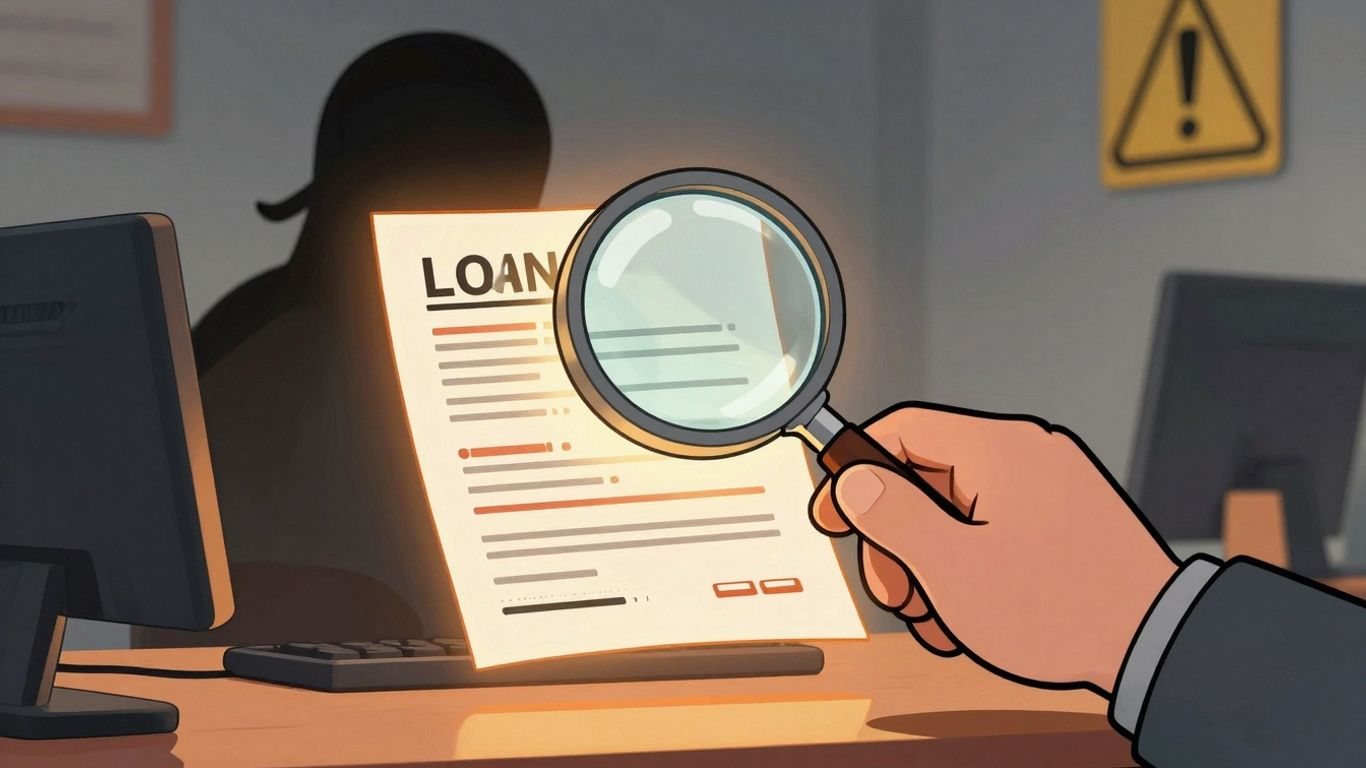
Looking for a loan online can be convenient, but it also opens the door to scams. Scammers are always coming up with new ways to trick people out of their money or personal information. It’s really important to know how to spot these fake lenders before you even think about applying. This guide will help you understand the common signs of online loan scams so you can protect yourself and avoid falling victim. We’ll cover everything from suspicious offers to shady fee practices.
Key Takeaways
- Be cautious of loan offers that come out of the blue; while not all are scams, they warrant extra scrutiny.
- Never pay upfront fees for a loan, especially with prepaid cards, as legitimate fees are usually taken from the loan amount itself.
- Verify that a lender is licensed and registered in your state and check for secure website connections (look for ‘https’ and a padlock).
- Guaranteed loan approval is a major red flag; legitimate lenders assess your financial situation before approving any loan.
- Always research a lender’s reputation online and be wary of high-pressure sales tactics or unclear fee structures.
How to Identify Online Loan Scams
It feels like there are a million loan offers out there these days, and honestly, it can be tough to tell the good ones from the bad. Sometimes, you might get an offer out of the blue, and while not all unsolicited offers are scams, it’s definitely a good idea to be cautious. Falling for a loan scam can really mess things up, not just financially, but it can also lead to identity theft if you’re not careful. So, is it even safe to get a loan online? The short answer is yes, but you have to know what you’re looking for.
Unsolicited Offers Aren’t Always Scams, But Be Wary
Getting a loan offer in your inbox or mailbox without asking for it can be a bit jarring. Some companies do send out pre-approved offers, especially for things like credit cards. But if you’ve got less-than-perfect credit and suddenly get an offer for a loan you know you wouldn’t normally qualify for, that’s a big signal to pay extra attention. If there’s no fine print explaining the terms, or if the terms seem too good to be true, it’s probably a scam. Always check if the lender is licensed and look closely at what they’re offering.
Understand the Risks of Falling for a Loan Scam
If you hand over your personal information to a scammer, they can do some serious damage. Think identity theft, opening up fake accounts in your name, or making unauthorized purchases. They might even sell your information on the dark web, which is a whole other level of bad news. It’s not just about losing money; it’s about protecting your identity.
Is It Safe to Get a Loan Online?
Getting a loan online can be safe, but only if you’re dealing with a legitimate lender. The good guys follow strict rules set by the government, and they face big penalties if they mess up. Scam artists, on the other hand, try to look like the real deal. You can usually spot them by checking reviews, seeing if they’re listed on reputable financial sites, or verifying their state licensing. It just takes a little bit of homework.
Watch Out for Upfront Payment Demands
Prepaid Cards Are a Major Red Flag
Okay, so you’re looking for a loan, and things are moving along. Then, the lender mentions needing some money upfront. This is a huge warning sign, folks. Legitimate lenders do not ask for money before they give you the loan. They might try to spin it as an “insurance fee,” “processing fee,” or even ask for the first and last month’s payment upfront. Sometimes, they’ll push for payment via a prepaid card. If you hear any of this, run the other way. Prepaid cards are like digital cash – once it’s gone, it’s pretty much gone forever, and you won’t be able to trace it.
Legitimate Fees Are Deducted From Your Loan
Now, it’s true that some loans have fees. Things like origination fees, which cover the lender’s administrative costs, are pretty standard. But here’s the key difference: these fees are almost always taken out of the loan amount after it’s approved and before you get the money. So, if you’re approved for a $5,000 loan and there’s a $100 origination fee, you’ll actually receive $4,900. The lender should be totally upfront about these fees, and they should be clearly written in your loan agreement. If they’re asking you to pay them separately, especially with something like a prepaid card or wire transfer, it’s a scam. Always check that the fees you were quoted are the fees you see in the final paperwork. Don’t let them pressure you into signing if something feels off.
Be Skeptical of Unconventional Contact Methods
When you’re looking for a loan, you expect to reach out to the lender, right? But what if the lender is reaching out to you in ways that just feel… off? That’s where you need to pay close attention. Scammers often use unusual communication methods to try and trick you. Legitimate lenders usually stick to standard business practices.
Unsolicited Calls, Mail, or Visits Are Suspicious
Did you get a call out of the blue offering you a loan? Or maybe a flyer in your mailbox for a loan you never looked into? While not every unsolicited offer is a scam, it’s definitely a reason to be cautious. Real lenders typically advertise through more conventional channels like online ads or their own websites. If someone is calling you directly, especially if they’re pushing hard, it’s a big red flag. It’s also illegal for companies to offer you a loan over the phone and then demand payment before they actually give you the money. If you get an offer like this, it’s best to just hang up or ignore it. You can always search for the company yourself on a trusted search engine if you’re curious, rather than clicking on any links they might send you.
Illegal to Demand Payment Before Loan Delivery
This is a really important point. No matter what a lender is telling you, they should never ask you to pay them money before you receive your loan funds. This applies to all sorts of payments, but especially things like prepaid cards, gift cards, or wire transfers. These methods are hard to trace, making it easy for scammers to disappear with your money. Legitimate lenders might have fees, sure, but those are usually taken out of the loan amount itself, not paid upfront. If a lender insists on an upfront payment, especially via a method that’s hard to track, consider it a major warning sign. It’s a tactic often used by those looking to steal your money.
Remember: If it feels wrong, it probably is. Trust your gut feeling on this one.
Verify Lender Security and Legitimacy
Look for the Padlock and ‘https’ on Websites
When you’re looking at a lender’s website, especially if you’re about to share personal details, take a moment to check out the address bar. You want to see that little padlock icon next to the web address. Also, the address itself should start with “https” instead of just “http.” That extra “s” means the connection is secure. It’s like a digital lock on the information you’re sending. If you don’t see these signs, it’s a big warning sign that the site might not be safe for your sensitive data. Think of it this way: would you hand over your wallet on a street corner or in a secure bank vault? A secure website is the digital equivalent of that vault.
Understand Why Security Matters
Why all the fuss about security? Well, when you apply for a loan, you’re usually sharing a lot of personal information – your name, address, Social Security number, bank account details, and more. If a lender’s website isn’t secure, that information could be intercepted by bad actors. They could use it to steal your identity, open fraudulent accounts in your name, or even drain your bank account. It’s not just about convenience; it’s about protecting yourself from serious financial harm. Legitimate lenders invest in security measures to keep your data safe because they know how important it is. It shows they’re a real business that cares about its customers.
- Check the URL: Look for “https://” at the beginning.
- Find the Padlock: A small padlock icon usually appears next to the URL.
- Avoid Suspicious Sites: If these aren’t present, be very cautious.
Scammers often create fake websites that look real but lack proper security. They want your information, and an insecure site makes it easier for them to get it. Always prioritize lenders who clearly display security features on their online platforms.
Question Guaranteed Approval Promises
It’s really tempting, isn’t it? You’re looking for a loan, maybe your credit isn’t perfect, and then you see it: “Guaranteed Approval!” or “Bad Credit? No Problem!” It sounds like a dream come true, but hold on a second. This is one of the biggest red flags you’ll find with loan scams.
No Lender Can Guarantee Approval
Think about it. A legitimate lender has to look at your financial situation before they can say yes or no. They need to check your income, your credit history, and figure out if you can actually afford to pay the loan back. It’s just common sense. If someone is promising you a loan without even asking for these details, they’re probably not a real lender. They might be after your personal information for other shady purposes, or they might just want to take your money upfront.
Why Approval Isn’t Guaranteed
Here’s the deal: every lender has their own rules. Some might be more flexible with credit scores than others, but none of them can just hand out loans without a proper review. They have to follow regulations, and they also want to make sure they get their money back. It’s a business, after all.
- Credit Score: While some lenders work with lower scores, a very low score can still mean you don’t qualify.
- Income Verification: Lenders need to see that you have a steady income to repay the loan.
- Debt-to-Income Ratio: They’ll look at how much debt you already have compared to your income.
If a lender skips all of this, it’s a huge warning sign. They might be trying to get you to pay fees before you even get the loan, which is a classic scam move. Always be wary of anyone who makes it sound too easy.
Remember, if it sounds too good to be true, it probably is. A real loan offer will always involve a review of your finances, not a magic guarantee.
Scrutinize Fee Transparency
When you’re looking for a loan, fees can sometimes feel like a confusing maze. Scammers love to use this confusion to their advantage. They might hide fees, add unexpected charges, or demand payment upfront. Legitimate lenders want you to understand exactly what you’re paying for.
Hidden Fees Are a Sign of Trouble
If a lender isn’t upfront about all the costs involved, that’s a big warning sign. Sometimes, a scammer will approve you for a loan and then, at the last minute, hit you with a bunch of new fees. They might call them “processing fees,” “insurance,” or “paperwork fees.” These are often just made-up charges to get more money from you. It’s like ordering a meal and then being surprised with extra charges for the silverware and napkins!
Legitimate Fees Are Clearly Disclosed
Reputable lenders will be clear about any fees from the start. They might charge things like an origination fee (a fee for processing the loan) or a credit report fee. But here’s the key difference: these fees are usually taken out of the loan amount after it’s approved, or they’re clearly listed in the loan agreement before you sign anything. You should never have to pay these fees before you get your loan money.
Here’s what to look out for:
- Upfront Payments: A lender asking you to pay a fee before they give you the loan is almost always a scam. This includes things like paying with prepaid cards or wire transfers.
- Vague Fee Explanations: If they can’t clearly explain what a fee is for, or if the explanation sounds fishy, be suspicious.
- Last-Minute Charges: Any fees that pop up only after you’ve been
Check Lender Registration and Licensing
Is the Lender Registered in Your State?
When you’re looking for a loan, it’s super important to make sure the company you’re dealing with is legit. One big way to do this is to check if they’re registered to do business in your state. Think of it like a business needing a license to operate – it’s a sign they’re playing by the rules.
Most states have rules that say lenders have to register. If a company isn’t registered where you live, that’s a pretty big red flag. They might be trying to avoid oversight, which is never a good sign. Always look for proof that the lender is legally allowed to offer loans in your area.
Contact State Authorities for Verification
So, how do you actually check this stuff? Start by looking at the lender’s website. They should ideally list the states where they are registered. If you can’t find this information easily, or if it seems fishy, don’t just give up. You can take the next step and contact your state’s authorities. Your state’s Attorney General’s office or the Department of Banking (or a similar agency that handles financial regulations) can tell you if a company is properly licensed and registered. It might take a little digging, but it’s a really good way to protect yourself from scams. It’s better to spend a few extra minutes checking than to end up in a bad situation later on.
Beware of High-Pressure Tactics
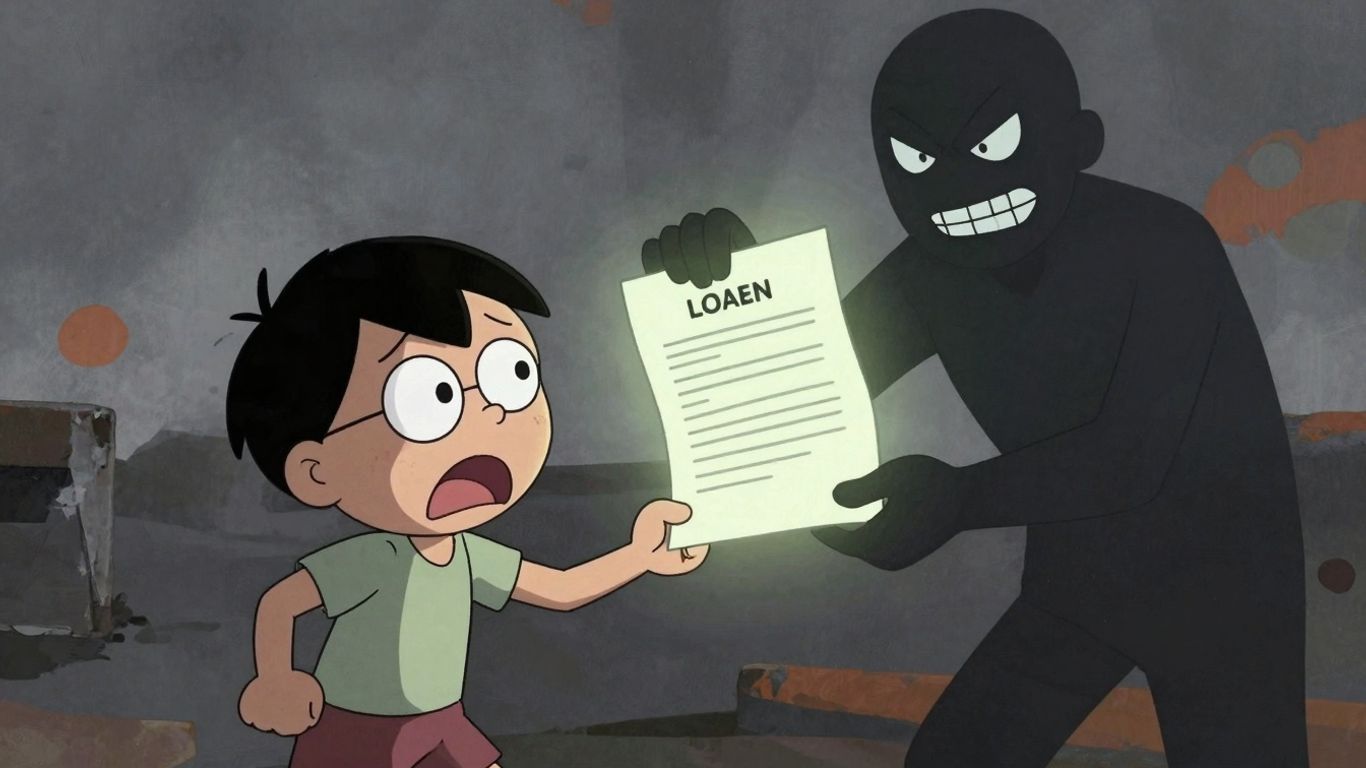
Don’t Be Rushed into a Decision
Scammers love to make you feel like you need to act right now. They might say the loan offer is only good for a few hours, or that a special deal is about to disappear. This is a classic trick to get you to skip over important checks and just sign on the dotted line. Legitimate lenders usually give you a reasonable amount of time to think things over. They understand that taking out a loan is a big deal. If someone is pushing you to decide immediately, it’s a big warning sign.
Urgency Tactics Can Signal a Scam
Think about it: why would a real lender rush you? They want your business, sure, but they also want to make sure you’re a good fit and that the loan makes sense for you. Scammers, on the other hand, want to get your money or your personal information before you realize what’s happening. They rely on your excitement or fear to cloud your judgment.
Here are some common pressure tactics to watch out for:
- “This offer expires at midnight!”
- “We only have a few spots left for this special rate.”
- “You need to pay a fee today to secure the loan.”
- “If you don’t act now, someone else will get this loan.”
If you hear any of these, take a deep breath and step away. It’s better to miss out on a supposed
Investigate Physical Addresses and Contact Info
A Physical Address Is Essential
Think about it: if you were running a real business, wouldn’t you want people to know where you are? Legitimate lenders usually have a physical office or headquarters. Scammers, on the other hand, often try to hide. They might give you a P.O. Box, or worse, no address at all. This is a big warning sign. If something goes wrong, how would you even find them to get your money back or sort things out? It just doesn’t make sense to deal with a company that won’t tell you where they’re located.
Lack of Contact Information Is a Warning Sign
Beyond just a physical address, a legit lender will have clear and easy ways to get in touch. This means a working phone number, a professional email address (not a free one like Gmail or Yahoo), and maybe even a customer service portal on their website. If they only give you a vague email or a number that doesn’t work, or if they push you to communicate through weird messaging apps, that’s a red flag. They want to make it hard for you to reach them, especially if you start having problems. It’s like they’re setting up a situation where you can’t hold them accountable.
Here’s what to look for:
- A real street address: Not just a P.O. Box.
- A working phone number: Try calling it to see if someone answers.
- A professional email address: Usually ending in the company’s domain name.
- A clear website: With an ‘About Us’ or ‘Contact Us’ page.
If a lender seems to be hiding their contact details or physical location, it’s a strong indicator that they might not be on the up-and-up. It’s always better to be safe and look for a lender who is upfront about who they are and where they operate from.
Research the Lender’s Online Reputation
Before you hand over any personal details, take a few minutes to see what others are saying about the company online. It’s like checking reviews before trying a new restaurant, but for your finances. A quick search can save you a lot of headaches later on.
Search for “Scam” or “Fraud” Alongside Lender Name
This is probably the most straightforward way to get a feel for a lender’s reputation. Just type the lender’s name into your favorite search engine, and add words like “scam,” “fraud,” “fake,” or “complaint.” If a lot of negative results pop up, especially from official sources or consumer protection sites, that’s a big warning sign. You want to see that the company is generally well-regarded and has a history of fair dealings. Sometimes, you might find reviews that mention things like quick and easy processes, which is a good sign for a legitimate loan company.
Read Unbiased Reviews from Other Borrowers
Beyond just searching for negative terms, actively look for reviews from people who have actually used the lender’s services. Many reputable financial websites and consumer forums host reviews. Pay attention to recurring themes. Are people consistently complaining about hidden fees, aggressive collection tactics, or difficulty getting their money back? Or are the reviews generally positive, mentioning good customer service and fair terms? Look for reviews that seem balanced and honest, not just overly positive or negative. This can give you a more realistic picture of what to expect.
Before you decide, it’s smart to see what other people say about the lender online. A quick search can show you reviews and feedback. This helps you understand their service and if they are trustworthy. Want to know more about finding a reliable lender? Visit our website for helpful tips and resources.
Don’t Let Scammers Get the Best of You
So, we’ve gone over a bunch of ways these loan scammers try to trick people. It can feel a little overwhelming, right? But honestly, most of it boils down to trusting your gut. If something feels off, or way too good to be true, it probably is. Always take a moment to check if a lender is legit, look for that secure website connection, and never, ever pay someone with a prepaid card just to get a loan. You’ve got this! By staying aware and doing a little homework before you apply, you can protect yourself and find the real help you need without falling into a scammer’s trap.
Frequently Asked Questions
Are all loan offers I get in the mail or online scams?
Not always! Sometimes, companies send out offers for loans, especially credit cards, even if you haven’t applied. But, if you know your credit isn’t great and you get an offer, be super careful. Always check the fine print. If there’s no fine print, it’s probably a scam. Make sure the offer comes from a lender that’s allowed to operate where you live.
What happens if I fall for a loan scam?
Scammers can steal your personal information, like your Social Security number. They might use it to pretend to be you, open fake accounts, or make purchases you didn’t make. They could even sell your information online for others to use for bad things.
Is it safe to get a loan online?
Yes, it can be safe if you use a lender that’s real and trustworthy. Good lenders follow strict rules and laws. Scam lenders try to look like real ones, but you can usually spot them by checking reviews, seeing if they’re listed on trusted sites, or confirming they have the right licenses.
Why should I be suspicious if a lender asks for money upfront?
Legitimate lenders usually take fees out of the loan amount you receive. If a lender demands payment beforehand, especially with things like prepaid cards, gift cards, or wire transfers, it’s a huge warning sign. These payment methods are hard to trace, making it difficult to get your money back if it’s a scam.
What if a lender guarantees I’ll be approved for a loan?
No lender can promise you’ll get a loan without checking your financial situation. If a company says they can guarantee approval, especially if you have bad credit or low income, it’s almost certainly a scam. They’re trying to trick you because approval depends on many factors.
How do I know if the fees a lender charges are real?
Scam lenders often hide their fees or don’t tell you about them until later. They might ask for ‘processing’ or ‘insurance’ fees upfront. Real lenders will clearly explain all their fees, and often, these fees are taken directly from your loan amount. Always ask for a clear breakdown of all costs.
How can I check if a lender is legal and allowed to lend in my state?
Companies that lend money legally must be registered in the states where they do business. You can usually find this information on their website. If you can’t find it, or if you’re unsure, check with your state’s Attorney General’s office or its banking department. They can confirm if the lender is legitimate.
What should I do if a lender tries to rush me into taking a loan?
Be very careful if a lender pressures you to make a decision quickly. Scammers use urgency tactics, like saying an offer will expire soon, to make you act without thinking. Take your time, do your research, and don’t let anyone rush you into a financial decision. Legitimate lenders will give you reasonable time to consider their offer.