Thinking about borrowing money? You’ve probably heard of loans and lines of credit, but what’s really the difference? It’s not as complicated as it sounds. Basically, a loan gives you a pile of cash all at once for something specific, and you pay it back over time. A line of credit is more like a flexible credit card you can dip into whenever you need, as long as you stay within your limit. We’ll break down the line of credit vs loan debate to help you figure out which one makes more sense for your wallet.
Key Takeaways
- A loan is a lump sum of money you get all at once and pay back over a set period, usually for a big, one-time purchase.
- A line of credit is like a flexible credit limit you can borrow from, pay back, and borrow again, good for ongoing or unpredictable needs.
- Secured loans often have lower interest rates because they’re backed by collateral, while unsecured loans rely more on your credit history.
- Interest on a loan starts accruing on the full amount right away, whereas interest on a line of credit only applies to the amount you actually use.
- When deciding between a line of credit vs loan, consider if you need a fixed amount for a specific purchase or flexible access to funds over time.
Understanding The Core Differences
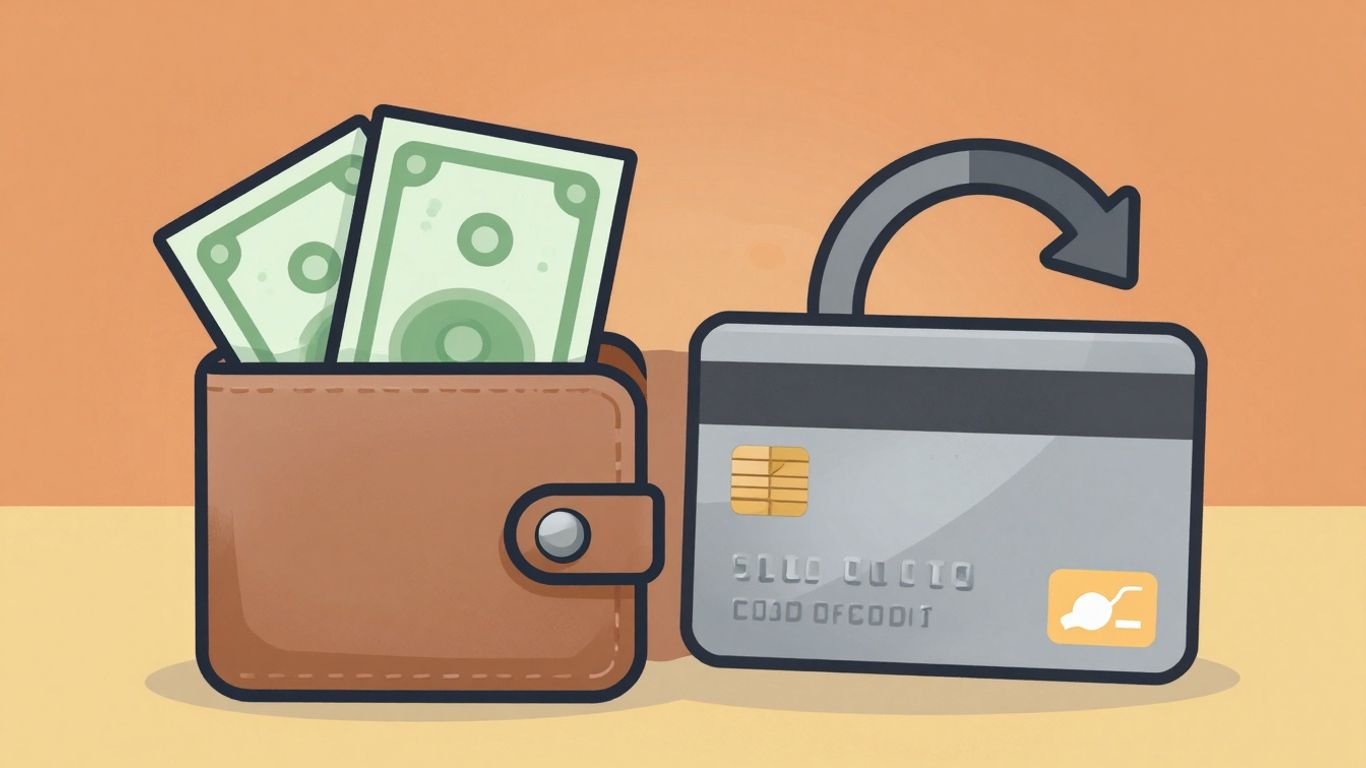
When you’re looking into borrowing money, you’ll likely run into two main options: loans and lines of credit. They might seem similar because both involve getting cash from a lender, but they work in pretty different ways. It’s like the difference between getting a big check for a specific purpose versus having a flexible pool of money you can dip into as needed.
What Exactly Is A Loan?
A loan is pretty straightforward. You ask for a specific amount of money, and if approved, the lender gives it to you all at once, in a lump sum. Think of buying a car or a house – you need a set amount of cash for that purchase, and a loan is designed for that. You’ll then pay it back over a set period, usually with fixed payments, making it easier to budget. The key thing here is that you get the money once, and then you start paying it back.
What Is A Line Of Credit?
A line of credit, on the other hand, is more like a credit card but often with a larger limit and potentially better terms. The lender sets a maximum amount you can borrow, and you can draw from it whenever you need funds, up to that limit. You only pay interest on the amount you actually use. Once you pay back some of what you borrowed, that money becomes available to borrow again. It’s a revolving form of credit, great for when you’re not sure exactly how much you’ll need or when.
How Do They Differ In Accessing Funds?
The biggest difference really comes down to how you get and use the money. With a loan, it’s a one-and-done deal for the funds. You get the full amount upfront. A line of credit gives you ongoing access. You can take out money, pay it back, and then borrow it again without having to reapply each time. This flexibility is a major distinction.
Here’s a quick look at how they stack up:
| Feature | Loan | Line of Credit |
|---|---|---|
| Fund Access | One-time lump sum | Revolving access up to a limit |
| Interest | On the full amount from the start | Only on the amount you borrow |
| Repayment | Fixed schedule, predictable payments | Flexible, often minimum payments |
| Best For | Specific, one-time purchases | Ongoing, flexible, or uncertain needs |
When To Choose A Loan
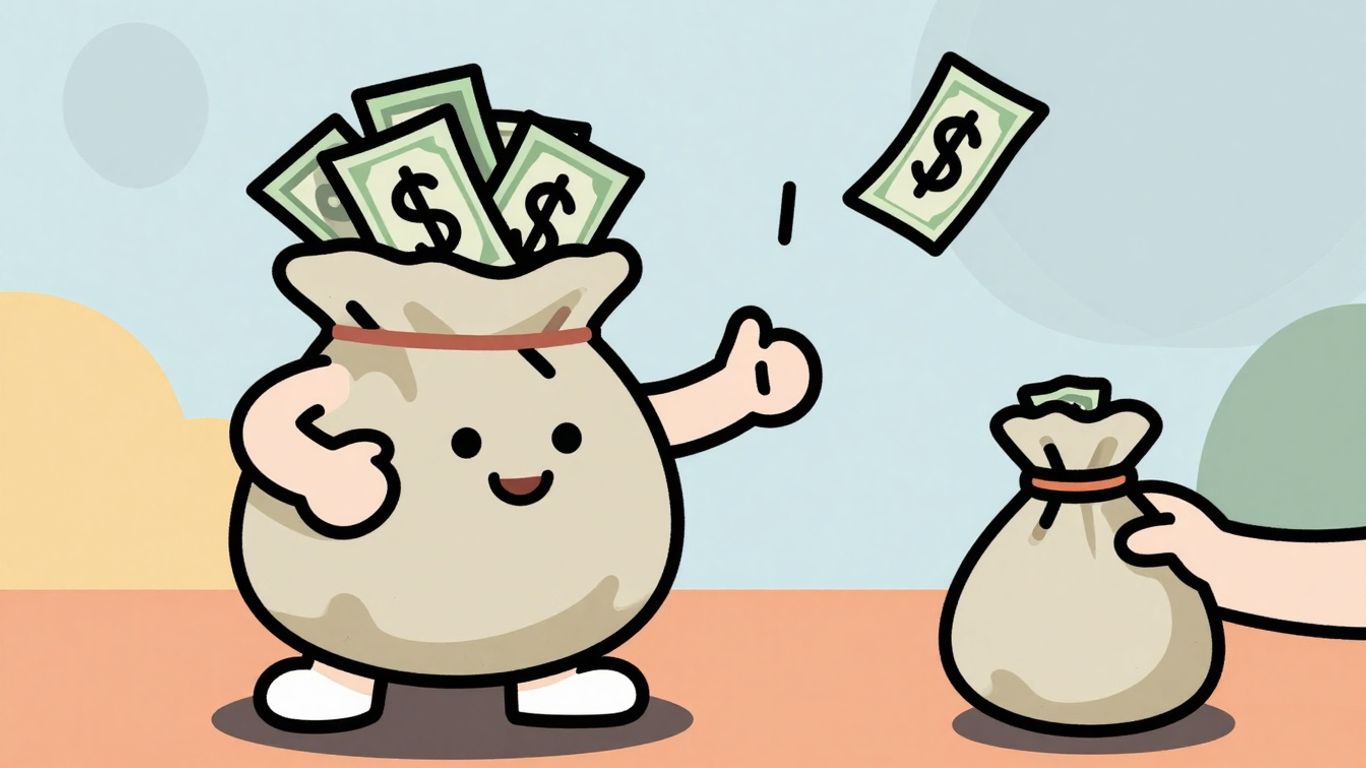
Sometimes, you just need a clear, straightforward way to handle a big expense. That’s where a loan really shines. Think of it like getting a set amount of money all at once for a specific purpose. It’s not like a credit card where you can keep spending and spending; a loan is more like a one-and-done deal for a particular goal.
For Big, One-Time Purchases
If you’ve got your eye on something significant, like a car, a major home renovation, or maybe even consolidating some high-interest debt into one manageable payment, a loan is often the way to go. You get the full amount you need upfront, which is super helpful when you have a clear target in mind. This lump sum means you can make that purchase or complete that project without having to worry about reapplying for funds later.
Predictable Payments For Budgeting
One of the best things about many loans is that they come with fixed interest rates and a set repayment schedule. This means your monthly payment stays the same from start to finish. It makes budgeting a whole lot easier because you know exactly how much to set aside each month. No surprises, no fluctuating amounts that throw your budget off track. It’s a predictable rhythm that can bring a lot of peace of mind.
Simpler Upfront Access To Funds
Getting a loan can feel pretty simple when you break it down. You apply, get approved for a specific amount, and then you receive that money. While there’s paperwork, of course, the process is generally designed to get you the funds you need for that one big thing. It’s less about ongoing access and more about securing the capital for a defined need.
Loans are generally better suited for fixed expenses or one-time needs, while lines of credit provide flexibility for ongoing or repeated borrowing. Loans often carry lower interest rates but may involve higher upfront fees, whereas lines of credit typically cost more over time due to variable rates and fees.
Here’s a quick look at why a loan might be your best bet:
- Clear Purpose: You know exactly what the money is for.
- Predictable Payments: Fixed amounts make budgeting a breeze.
- Lump Sum: Get all the cash you need at once.
- Defined End: You know when the loan will be fully paid off.
When A Line Of Credit Shines
Sometimes, a loan just doesn’t quite fit the bill. That’s where a line of credit really starts to show its strengths. Think of it as a flexible financial tool, ready when you are, but not costing you extra if you’re not using it. It’s particularly handy when your money needs aren’t a single, big event, but more of an ongoing or unpredictable situation.
For Ongoing Or Flexible Needs
Life rarely sticks to a strict schedule, and neither do your expenses. If you have projects that might take a while, or if you anticipate needing funds for various things over a period, a line of credit is a great choice. You get a set amount you can borrow from, and you can take out what you need, when you need it. Once you pay some back, that money becomes available again. It’s like having a financial safety net that you can dip into as required.
When You Need Funds On Standby
Imagine having a financial reserve that’s just waiting for you. That’s essentially what a line of credit offers. You might not need the money right this second, but knowing it’s there if an unexpected opportunity or emergency pops up can be a huge relief. You only pay interest on the amount you actually borrow, not the total credit limit. This means you can have access to a larger sum without the immediate cost associated with borrowing it all at once. It’s a smart way to be prepared without being burdened by debt.
Managing Smaller, Recurring Expenses
Got a few smaller things that pop up regularly? Maybe you’re planning a home renovation that’s happening in stages, or perhaps you have a business that has fluctuating inventory needs. A line of credit can be perfect for these kinds of situations. Instead of taking out multiple small loans, you can use your line of credit to cover these varied costs. It simplifies the process and often comes with better terms than using a credit card for larger, recurring expenses.
Exploring Loan Types
When you’re thinking about borrowing money, it’s helpful to know there are different kinds of loans out there, each designed for specific situations. It’s not just a one-size-fits-all deal. Let’s break down a few common ones.
Secured Loans and Their Benefits
Secured loans are backed by something valuable you own, like your house or car. This collateral gives the lender a bit more security, which often means they can offer you a lower interest rate. It’s like a safety net for them, and that can translate into savings for you. Because there’s collateral involved, lenders might be more willing to approve these loans, even if your credit isn’t perfect. However, remember that if you can’t make the payments, the lender could take possession of your collateral.
Unsecured Loans: Relying On Trust
Unsecured loans, on the other hand, don’t require any collateral. The lender is essentially trusting your promise to repay based on your credit history and income. Since there’s no asset to fall back on if things go wrong, these loans usually come with higher interest rates and might be for smaller amounts compared to secured loans. They’re a good option when you don’t have collateral to offer or don’t want to put an asset at risk.
Common Examples Like Mortgages and Auto Loans
- Mortgages: These are probably the most well-known secured loans. You use them to buy a home, and the house itself serves as the collateral. They typically have longer repayment terms, stretching over many years.
- Auto Loans: Similar to mortgages, auto loans are secured by the vehicle you’re purchasing. The car is the collateral. These loans are usually shorter-term than mortgages, often lasting just a few years.
- Personal Loans: These can be either secured or unsecured. You might get one for a big purchase, to consolidate debt, or for a significant one-time expense. The terms and rates can vary a lot depending on whether collateral is involved and your creditworthiness.
- Student Loans: Often used to cover educational costs, these can be federal or private. Federal student loans usually have more borrower-friendly terms, while private ones might be based more on your credit history or a co-signer’s.
Exploring Line Of Credit Types
Lines of credit aren’t just one-size-fits-all. They come in a few different flavors, each designed for specific situations. Understanding these can help you pick the one that best suits your needs.
Personal Lines Of Credit For You
Think of a personal line of credit as a flexible safety net for your personal finances. It’s usually unsecured, meaning you don’t have to put up any collateral like your house or car. Because of this, lenders typically look for a good credit score to approve you. They often come with lower credit limits compared to some other options, and the interest rates might be a bit higher than a secured loan. But the upside is you have access to funds whenever you need them, up to your limit, without having to reapply each time. It’s a handy tool for managing unexpected expenses or smaller, ongoing costs. You can find out more about personal lines of credit to see if it fits your situation.
Business Lines For Company Needs
Businesses often need quick access to cash to keep things running smoothly. A business line of credit is perfect for this. It can be secured or unsecured, depending on how much credit the business is asking for and its financial health. Lenders will look at the company’s profitability and market standing. These lines are great for managing inventory, covering payroll during slow periods, or handling unexpected operational costs. The interest rates can fluctuate, so it’s something to keep an eye on.
Home Equity Lines Of Credit (HELOCs)
A Home Equity Line of Credit, or HELOC, is a bit different because it’s secured by the equity you’ve built up in your home. It’s like a second mortgage, but instead of getting a lump sum, you get a credit line you can draw from. The amount you can borrow is usually a percentage of your home’s value, minus what you still owe on your primary mortgage. HELOCs often have a draw period where you only pay interest, followed by a repayment period where you pay back both principal and interest. They can be a good option for major home renovations or other large expenses, but remember, your home is the collateral.
Interest Rates And Fees
When you’re looking at loans and lines of credit, the interest rates and fees are a big part of what makes them different. It’s not just about how much you borrow, but also how much it costs you over time.
How Interest Accrues Differently
With a traditional loan, you usually get a lump sum of money upfront. The interest starts ticking on that entire amount right away. Most of the time, loans come with a fixed interest rate, which means your rate stays the same for the whole loan term. This makes your monthly payments predictable, which is nice for budgeting. You know exactly what you owe each month, and that payment usually includes both a bit of the principal you borrowed and the interest.
Lines of credit, on the other hand, are more like a credit card. You have a set amount you can borrow from, but you only pay interest on the money you actually use. This can be a real money-saver if you don’t need all the funds at once. However, lines of credit often have variable interest rates. This means your interest rate can go up or down based on market conditions. So, while you might pay less interest initially if you use only a little, your payments could increase later if rates climb. It’s a bit of a trade-off between predictability and potential savings.
Understanding Potential Fees
Beyond the interest, there are often fees involved with both loans and lines of credit. Loans might have an origination fee, which is a one-time charge for processing the loan, often a percentage of the loan amount. There can also be late fees if you miss a payment.
Lines of credit can have a few more types of fees. You might see an annual fee just to keep the line open, even if you’re not using it. Then there can be draw fees each time you take money out. And, of course, late fees apply if you don’t make your minimum payments. It’s important to look at the total cost, not just the interest rate.
Comparing Costs Over Time
So, which one costs more? It really depends on how you use it.
- Loans: Often have lower interest rates, especially if secured. The fees are usually upfront. If you need a fixed amount for a specific period and can handle the fixed payments, a loan might be more cost-effective overall, especially if interest rates rise.
- Lines of Credit: Can be cheaper if you use them sparingly and rates stay low. You only pay interest on what you borrow. However, variable rates and ongoing fees can make them more expensive over the long run, particularly if you carry a balance for a long time or rates increase significantly.
It’s easy to get caught up in just the interest rate, but don’t forget to factor in all the fees. Sometimes a slightly higher interest rate with no fees can be cheaper than a lower rate with a bunch of charges added on. Always ask for a full breakdown of costs before you sign anything.
Here’s a quick look at how they can stack up:
| Feature | Loan | Line of Credit |
|---|---|---|
| Interest Rate | Often fixed, can be lower | Often variable, can be higher |
| How Interest Is Calculated | On the full loan amount from the start | Only on the amount you’ve drawn |
| Common Fees | Origination fee, late fees | Annual fee, draw fee, late fees |
| Predictability | High (fixed payments) | Lower (variable payments possible) |
| Potential Cost | Can be lower for fixed, long-term use | Can be higher with variable rates/fees |
Impact On Your Credit
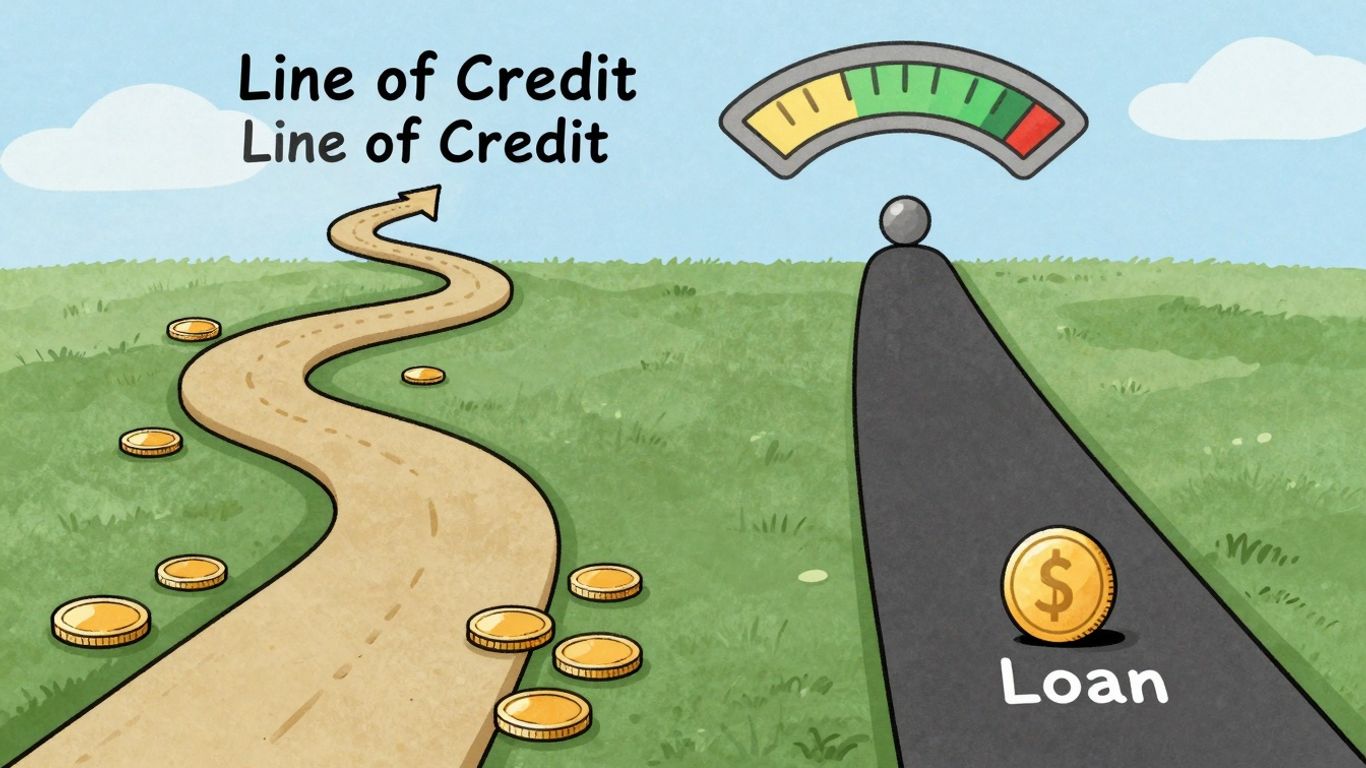
So, how do these borrowing options mess with your credit score? It’s a good question, and the answer is: they both do, but in slightly different ways. Think of your credit report as a financial diary; loans and lines of credit are like new entries in that diary. Lenders look at these entries to see how you handle borrowed money.
How Both Affect Your Credit Score
Both loans and lines of credit will show up on your credit report. Making payments on time for either can actually help build your credit history. It shows lenders you’re reliable. Plus, having a mix of different credit types (like a loan and a credit card, which is a type of line of credit) can be a small positive factor for your score. It suggests you can manage different kinds of debt.
Building Credit Responsibly
If you’re looking to build or improve your credit, managing either a loan or a line of credit responsibly is key. This means:
- Always making at least the minimum payment.
- Paying your bills before they’re due.
- Keeping your credit utilization low (especially important for lines of credit).
Responsible borrowing is like a steady workout for your credit score. It takes time and consistency, but the results are worth it.
Faster Impact From Lines Of Credit
Lines of credit, especially revolving ones like credit cards, can sometimes impact your credit score more quickly. This is often because of how credit utilization is calculated. Your credit utilization ratio is the amount of credit you’re using compared to your total available credit. For lines of credit, this ratio can change more frequently as you draw and repay funds. Keeping this ratio low is super important for a good score. For example, if you have a $10,000 line of credit and you’ve borrowed $5,000, your utilization is 50%. If you only borrowed $1,000, it’s 10%. Lenders generally like to see this below 30%.
Secured Vs. Unsecured Options
When you’re looking into borrowing money, whether it’s a loan or a line of credit, you’ll often hear the terms “secured” and “unsecured.” It sounds a bit technical, but it’s actually pretty straightforward and makes a big difference in how the borrowing works.
What Collateral Means For You
Basically, “secured” means the loan or line of credit is backed by something you own, called collateral. Think of it like a safety net for the lender. If, for some reason, you can’t pay back the money, the lender has the right to take that collateral to get their money back. This is why things like mortgages (your house is the collateral) and car loans (the car is the collateral) are usually secured. It’s a big commitment, as you’re putting a valuable asset on the line.
Lower Rates With Secured Options
Because lenders have that safety net with secured borrowing, they see it as less risky. When there’s less risk for them, they can usually offer you a lower interest rate. It makes sense, right? They’re more confident they’ll get their money back, so they don’t need to charge as much extra to cover potential losses. This can save you a good chunk of money over the life of the loan.
Unsecured: Based On Your Creditworthiness
Now, “unsecured” means there’s no specific asset tied to the loan or line of credit. The lender is essentially trusting your promise to repay based on your financial history and credit score. Because there’s no collateral to fall back on, these types of borrowing are generally seen as riskier for the lender. This often means they come with higher interest rates and might be for smaller amounts compared to secured options. Your credit score becomes super important here; a good score can help you get approved and potentially get a better rate, even without collateral.
Here’s a quick look at how they generally stack up:
| Feature | Secured Borrowing | Unsecured Borrowing |
|---|---|---|
| Collateral | Required (e.g., house, car) | Not required |
| Risk to Lender | Lower | Higher |
| Interest Rates | Typically Lower | Typically Higher |
| Loan Amounts | Can be Larger | Often Smaller |
| Approval Basis | Creditworthiness & Collateral Value | Primarily Creditworthiness |
Making The Right Choice For You
So, you’ve looked at loans and lines of credit, and you’re trying to figure out which one is the better fit for your wallet and your life. It’s not always a clear-cut decision, and honestly, it depends a lot on what you need the money for and how you like to manage your finances. Think of it like picking the right tool for a job – you wouldn’t use a hammer to screw in a bolt, right?
Assessing Your Financial Needs
First things first, let’s get real about what you need this money for. Is it a big, one-time purchase, like a down payment on a car or maybe some home renovations? If so, a loan might be your best bet. You get a lump sum upfront, and you know exactly what your payments will be each month. This predictability is a lifesaver for budgeting. On the other hand, if you’re not sure exactly when you’ll need the funds, or if you anticipate needing money for various things over time – like unexpected repairs, or maybe just to smooth out cash flow for your small business – a line of credit offers that flexibility. You can borrow what you need, when you need it, up to your limit. It’s like having a safety net ready to go.
Weighing Flexibility Against Cost
Now, let’s talk about the money side of things. Loans often come with fixed interest rates, which means your monthly payment stays the same throughout the loan’s life. This makes it super easy to plan your budget. Lines of credit, however, usually have variable interest rates. This means your payment could go up or down depending on market conditions. While you only pay interest on the amount you actually borrow with a line of credit, which can save you money if you don’t use the full amount, those variable rates can sometimes be a bit unpredictable. For a business loan, you might find lower, fixed interest rates compared to a line of credit, which can be appealing for long-term planning.
Choosing What Fits Your Situation Best
Ultimately, the best choice boils down to your personal circumstances. Here’s a quick way to think about it:
- Need a set amount for a specific purpose? A loan is likely your go-to.
- Need ongoing access to funds for various needs? A line of credit offers more freedom.
- Prioritize predictable monthly payments? A loan usually wins here.
- Want to pay interest only on what you use? A line of credit is designed for that.
Don’t forget to consider how each option might affect your credit score. While both can help build credit, how you manage them matters. Making timely payments on either is key, but drawing heavily and frequently on a line of credit might have a more immediate impact on your credit utilization ratio.
Think about your comfort level with risk, your budgeting style, and the specific reason you need the money. Sometimes, talking it through with a financial advisor or your bank can help clarify which path makes the most sense for you right now.
Choosing the right financial help can feel tricky. We’re here to make it simple. Think of us as your guide to finding the best fit for your needs. Ready to see how easy it can be? Visit our website today to explore your options!
So, Which One Is Right for You?
Alright, we’ve walked through the differences between loans and lines of credit. It’s not always a clear-cut choice, and honestly, it really boils down to what you need the money for. If you’ve got a big, one-time purchase in mind, like a car or maybe even a house down payment, a traditional loan often makes more sense. You get the full amount upfront and have a set payment plan. But if you’re looking for flexibility, maybe for ongoing projects or just to have a safety net for unexpected stuff, a line of credit could be your best bet. Remember, both have their own costs and ways of working, so take a moment to think about your own situation. Choosing wisely now can save you a lot of headaches later on.
Frequently Asked Questions
What’s the main difference between a loan and a line of credit?
Think of a loan like getting a big chunk of money all at once for something specific, like buying a car. You pay it back over time in set amounts. A line of credit is more like a flexible credit card; you have a limit you can borrow from, pay back, and then borrow again. It’s good for when you’re not sure exactly how much you’ll need or when you’ll need it.
When is a loan a better choice?
A loan is usually best for big, one-time purchases where you know the exact cost, like a house or a car. Because the payments are usually the same each month, it makes it easier to plan your budget.
When is a line of credit more useful?
A line of credit is great when you have ongoing or unpredictable expenses. Imagine you’re renovating your home over several months, or you want money ready for emergencies. You only pay interest on the money you actually use, and you can borrow more as you pay it back.
Can I borrow money more than once with a loan?
No, with a typical loan, you get the money once. Once you pay it all back, the loan is done. If you need to borrow again, you have to apply for a whole new loan.
How does a line of credit work like a credit card?
Both work on a revolving basis. You have a credit limit, and you can borrow money up to that limit. As you pay back what you’ve borrowed, that money becomes available to borrow again. However, interest rates on lines of credit might be different from credit cards.
What does ‘secured’ mean for loans and lines of credit?
When something is ‘secured,’ it means you’ve promised to give the lender something valuable, like your car or house, if you can’t pay back the money. This usually means you can get a lower interest rate because it’s less risky for the lender.
What if I don’t have collateral for a loan or line of credit?
If it’s ‘unsecured,’ you don’t need to offer collateral. The lender decides if they’ll lend you money based mostly on your credit history and how likely they think you are to pay it back. These often have higher interest rates because they’re riskier for the lender.
How do loans and lines of credit affect my credit score?
Both can help build your credit if you make your payments on time. However, lines of credit can sometimes affect your credit score more quickly because they are used more flexibly, and how you manage that revolving credit can be noticed by credit bureaus faster.