
Buying a used car can feel like a gamble sometimes. You never quite know what you’re getting into, right? Well, a big part of that mystery is tied up in the car’s title. It’s not just a piece of paper; it tells a story about the vehicle’s past. Understanding the different types of car titles out there is super important. It can save you from buying a lemon or a car with hidden problems. Let’s break down what each title really means so you can shop smarter.
Key Takeaways
- A car title is official proof of ownership, like a car’s birth certificate.
- A clear title means the car has no major issues or debts attached to it.
- Titles like ‘salvage,’ ‘rebuilt,’ or ‘junk’ indicate a car has been damaged or repaired significantly.
- Special titles exist for cars with water damage, odometer issues, or if they were declared a total loss.
- Knowing the different types of car titles helps you avoid buying a vehicle with a problematic history.
Understanding The Basics Of Car Titles
What Exactly Is A Car Title?
So, you’re looking at buying a car, maybe a used one, and you keep hearing about ‘titles’. What’s the big deal? Think of a car title like its birth certificate and its report card all rolled into one. It’s an official document, usually issued by your state, that proves who legally owns the vehicle. When you buy a car, that title gets transferred over to you. It’s not just a piece of paper; it’s the key to proving you own it, and it tells a story about the car’s history.
Why Your Car’s Title Matters
This document is super important, honestly. It’s how you prove ownership, which you’ll need for all sorts of things, like registering the car, getting insurance, or even selling it down the road. But here’s the thing: titles aren’t always straightforward. Over a car’s life, its title can get ‘branded’ with different notes that tell you about its past. These brands aren’t always bad, but they definitely give you a heads-up about what you might be getting into. Knowing what these different titles mean can save you a lot of headaches and money.
Here’s a quick look at why it’s so vital:
- Proof of Ownership: Without a clear title in your name, you don’t legally own the car.
- Resale Value: A clean title generally means a higher resale value compared to a car with a branded title.
- Financing: Many lenders won’t finance a car if it doesn’t have a clear title.
- Insurance: Some insurance companies might be hesitant to insure vehicles with certain title brands.
The title is more than just a piece of paper; it’s a record of the vehicle’s journey and its current legal standing. Always pay close attention to it.
The Pristine And Most Desired Title
What A Clear Title Means For You
So, you’re looking at a car, and the seller hands you the paperwork. What you really want to see is a clear title. This is basically the golden ticket of car ownership. It means the car is free and clear of any financial obligations or liens. Think of it like this: no one else has a claim on the car, and there are no outstanding loans tied to it that you’d suddenly be responsible for. This is the cleanest slate you can get when buying a vehicle.
Why A Clear Title Is So Important
Having a clear title is super important for a few big reasons. First off, it makes selling the car down the line way easier. Buyers feel a lot more comfortable knowing there are no hidden financial strings attached. Plus, if you ever need to finance another vehicle or even get a loan using your current car as collateral, a clear title is usually a must-have. It’s the standard for most financial institutions.
Here’s a quick rundown of why it’s the best:
- No Liens: No one else (like a bank or lender) has a legal claim on the car.
- Easy Transfer: Ownership can be transferred smoothly to a new buyer.
- Financing Friendly: It’s generally required if you plan to get a loan for the car or use it as collateral.
- Peace of Mind: You know you’re getting a vehicle without hidden financial baggage.
When you see a clear title, it signifies that the vehicle has no legal or financial encumbrances. It’s the most straightforward type of title and generally indicates the vehicle hasn’t been declared a total loss by an insurance company or suffered major damage that would require a special brand on the title.
Titles For Cars That Have Seen Better Days
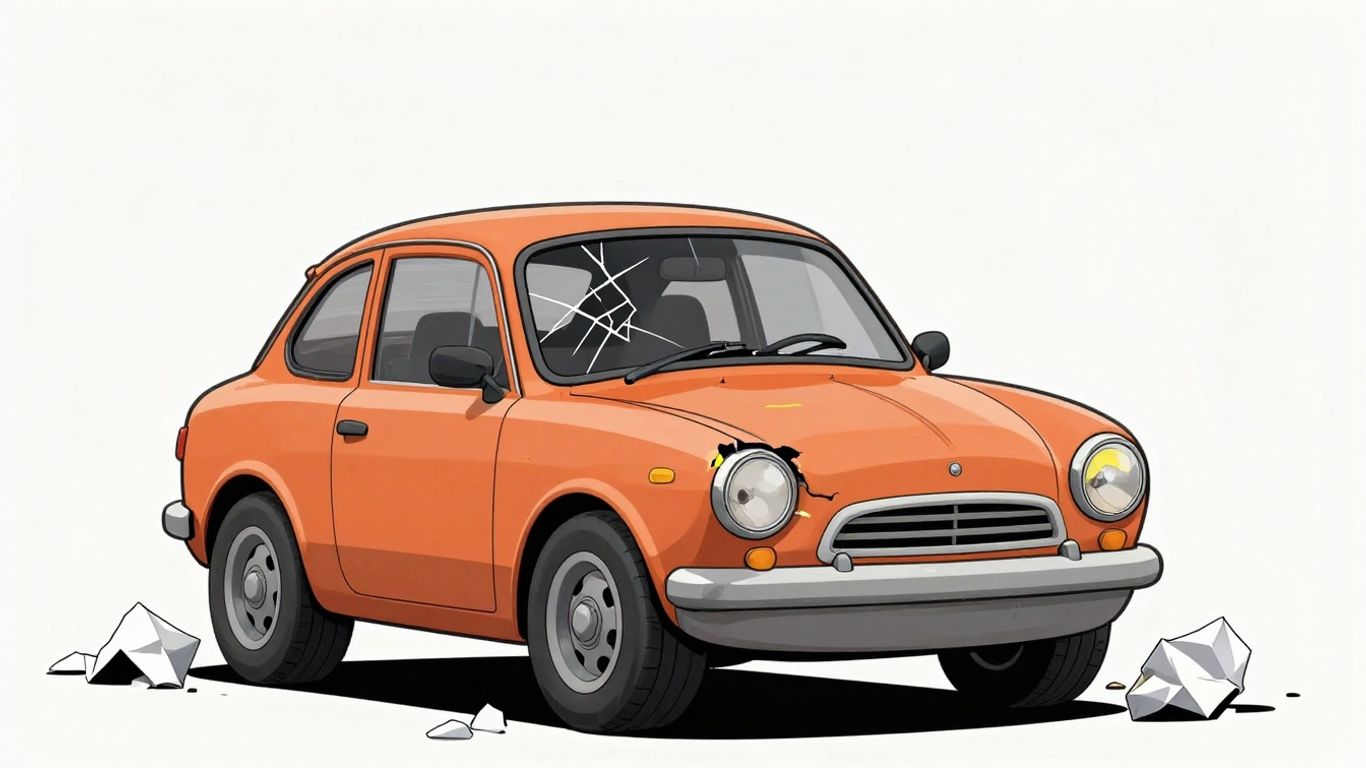
Sometimes, cars go through a lot. Maybe they were in a big accident, got stolen, or just had a really rough time. When this happens, their title can change to reflect that they’ve been through something significant. It doesn’t always mean the car is a lost cause, but it definitely means you need to pay closer attention.
When A Car Gets A Salvage Title
A salvage title is given to a vehicle that’s been declared a total loss by an insurance company. This usually happens when the cost to repair the car after an accident, theft, or other major damage is more than 75% of its pre-damage value. It’s a big warning sign that the car has serious issues. While a car with a salvage title can sometimes be repaired and put back on the road, it’ll need to pass a safety inspection first. Just know that this title will significantly lower the car’s value, and you’ll likely have trouble getting a loan for it.
Understanding Junk Titles
Think of a junk title as the next step after ‘salvage’ for cars that are really beyond repair. These are typically vehicles that have been sold to a junkyard. They’re either destined to be melted down for scrap metal or taken apart so their usable components can be sold individually. In some places, a junk title is pretty much the same as a salvage title, just emphasizing that the car is really at the end of its road for driving purposes.
What A Dismantled Title Signifies
Similar to a junk title, a dismantled title means the car is damaged so badly that fixing it just doesn’t make financial sense. The cost to get it back into driving shape is more than the car is actually worth. So, instead of repairing it, the car is dismantled. This title is used when the vehicle is being sold for its parts, which are still considered valuable. It’s basically a way to acknowledge that the car’s main purpose now is to be a source of spare parts.
Titles For Significantly Repaired Vehicles
Sometimes, cars get into accidents or have major issues that require extensive repairs. When this happens, the car’s title can change to reflect that it’s been rebuilt or reconstructed. It’s not necessarily a bad thing, but it does mean the car has a history that’s a bit more complicated than a standard clear title.
Reconstructed Titles Explained
A reconstructed title is given to a vehicle that has been put back together after being declared a total loss by an insurance company. This usually happens when the cost to repair the car was more than its actual cash value. Think of it like a car that’s been in a really bad accident, but someone decided to fix it up anyway. Before a car with a reconstructed title can be driven on public roads, it has to pass a really thorough safety inspection. This is to make sure all the repairs were done right and the car is safe to drive.
What A Rebuilt Title Indicates
A rebuilt title is pretty similar to a reconstructed title. It means the car has undergone significant repairs. This could be after an accident, or maybe it was stolen and then recovered with damage. The key thing here is that the car has been repaired and is now considered roadworthy again. Like reconstructed titles, vehicles with rebuilt titles usually need to pass a state inspection to prove they’re safe for driving. It’s always a good idea to ask for repair records if you’re looking at a car with this type of title, just so you know what was fixed.
Here’s a quick rundown of what to keep in mind:
- History: The car has been significantly damaged and repaired.
- Safety: It must pass a safety inspection to be legally driven.
- Value: These cars often sell for less than comparable vehicles with clean titles.
- Inspection: Always get a pre-purchase inspection from a trusted mechanic.
When a car has a reconstructed or rebuilt title, it means it’s been through a lot. While it can be a good deal if repaired properly, it’s super important to do your homework and make sure it’s safe and sound before buying.
Titles When Ownership Documents Are Tricky
Sometimes, getting a car title isn’t straightforward. Life happens, paperwork gets lost, or maybe the car’s history is a bit fuzzy. That’s where these types of titles come in, acting as a way to sort things out when the usual documentation isn’t quite there.
Navigating Bonded Titles
A bonded title is basically a way to get a legal title for a vehicle when you don’t have the original paperwork. This usually happens if the car was bought without a title, or if the original title was lost or stolen. To get a bonded title, you’ll need to purchase a * surety bond*. This bond is like an insurance policy for the state and any potential previous owners. It essentially says that if someone else comes forward with a valid claim to the car, the bond will cover its value. It’s a way to protect everyone involved when the ownership trail is broken.
Here’s a simplified look at how it often works:
- Apply for the Bond: You’ll work with an insurance company to get a surety bond. The cost usually depends on the car’s value.
- Get a Title Application: You’ll submit the bond and other required documents to your state’s motor vehicle agency.
- Wait for a Notice Period: The state will typically publish a notice about your application, giving anyone with a claim a chance to come forward.
- Receive the Bonded Title: If no valid claims are made, you’ll be issued a bonded title. This title is usually valid for a set period, often three to five years.
Affidavit Titles For Missing Paperwork
An affidavit title is another solution for situations where the standard title documents are missing. Think of it as a sworn statement. You, as the buyer, or sometimes the seller, will fill out a legal document (an affidavit) stating that you are the rightful owner and explaining why the original title isn’t available. This is often used when a car has been passed down through a family, or if a previous owner simply can’t find the paperwork.
While an affidavit title can help you get a car legally registered, it’s important to remember that it’s based on a sworn statement. If it turns out there was a hidden ownership issue, you could still face problems down the line. Always do your homework and try to get as much history on the vehicle as possible.
These titles are less common than bonded titles but serve a similar purpose: to establish legal ownership when the usual paper trail is incomplete. They require careful attention to detail and honesty in the documentation process.
Titles Reflecting Specific Damage
Sometimes, a car’s history isn’t about a major accident that totaled it, but about specific kinds of damage that can still cause big problems down the road. These aren’t always obvious when you’re just looking at a car on the lot, which is why these title types are so important to know about.
Water Damage Titles: What To Watch Out For
Imagine a car that’s been through a flood. We’re talking hurricanes, flash floods, or even just a really bad storm. If water gets deep into the car’s systems – the engine, the electronics, the interior – it can cause a ton of trouble. This kind of damage isn’t just about mold and a musty smell, though that’s bad enough. Water can corrode wires, mess with the computer systems, and even damage the airbags. A water damage title is a big warning sign that the car might have hidden issues that could be expensive and dangerous to fix. Even if the car looks okay on the surface, that water could have wreaked havoc underneath.
Odometer Rollback Titles: A Red Flag
This one’s a bit sneaky. An odometer rollback title means someone illegally turned back the car’s mileage. Why would they do that? To make the car seem like it’s in better shape and worth more money than it actually is. It’s a way to try and trick buyers. While a good mechanic can often spot signs of tampering, it’s not always easy. This title is a major red flag because it means the seller isn’t being upfront about the car’s actual wear and tear. You might be buying a car that’s got way more miles on it than you think, leading to more frequent repairs and a shorter lifespan.
Here’s what to keep in mind with these specific damage titles:
- Water Damage: Look for signs of rust in unusual places, damp carpets, or a persistent musty smell. Check the electrical components – do they all work? Sometimes, flood cars are sold far from the original disaster area, making it harder to trace their history.
- Odometer Rollback: Compare the mileage on the odometer to the wear and tear on the car’s interior (seats, pedals, steering wheel) and exterior. Check maintenance records and ask for the vehicle’s history report. A significant mismatch is a cause for concern.
- General Inspection: Always get a pre-purchase inspection from a trusted mechanic. They can often spot issues related to past damage that aren’t immediately apparent. This is especially important for vehicles with these types of title brands [d0e9].
These specific damage titles are there to protect you. They tell a story about the car’s past that might not be obvious just by looking at it. Ignoring them could lead to unexpected costs and safety risks later on.
When A Car Is Declared A Total Loss
Understanding Certificates Of Destruction
Sometimes, a car gets so banged up, or has such a serious issue, that an insurance company decides it’s just not worth fixing. When this happens, they might declare the vehicle a “total loss.” This doesn’t always mean the car is headed straight for the junkyard, but it does mean it can never be registered for regular driving again. The insurance company then issues a Certificate of Destruction. Think of it as the car’s official retirement papers – it’s done with its driving days.
Why would an insurance company do this, even if the car looks okay? Well, they’re looking at potential hidden problems. Maybe the airbag system isn’t quite right, or there’s a frame issue that’s hard to spot. They’re basically saying, “We can’t guarantee this car is safe for the road anymore, so we’re taking it out of circulation to avoid any future risks.” It’s all about preventing accidents down the line.
- A Certificate of Destruction means the vehicle is permanently out of service for road use.
- It’s issued by the insurance company after they’ve paid out a claim and taken ownership.
- This title prevents the car from ever being registered or legally driven on public roads again.
Even if a car with a Certificate of Destruction seems to be in decent shape, the insurance company might still issue it to avoid any liability if a hidden defect later causes an accident. It’s a safety-first approach.
The ‘Lemon’ Title: When A Car Is A Dud
What Makes A Car A Lemon?
So, you’ve probably heard the term “lemon” used for a car that’s just a constant headache. It’s not just a car that’s had a few minor issues; a lemon is typically a vehicle that’s had serious, recurring problems, especially with its core functions like the engine or transmission, and the manufacturer just can’t seem to fix it right. Think of it as a car that’s been to the repair shop more times than you’ve been to the grocery store, all while under warranty, and the same problem keeps popping up. It’s frustrating, to say the least.
How A Lemon Title Is Issued
Getting a “lemon” title isn’t automatic. Each state has its own rules, but generally, it involves a pattern of significant defects that can’t be fixed after a certain number of repair attempts. The manufacturer usually gets a few chances to make it right. If, after all that, the car is still a mess and poses a safety risk or makes it hard to drive, then it can officially be branded as a lemon. This brand is a serious warning sign for any potential buyer.
Here’s a general idea of what might lead to a lemon title:
- Repeated Repairs: The same major component (like the brakes or engine) has failed multiple times.
- Unfixable Defects: The car has a serious issue that the manufacturer or dealer can’t repair after a reasonable number of tries.
- Safety or Use Impairment: The problems significantly affect the car’s safety or your ability to use it as intended.
Buying a car with a lemon title can be risky. While sometimes these vehicles are sold at a lower price, the underlying issues might still be there, leading to future repair bills and headaches. It’s always best to do your homework and get a thorough inspection if you’re considering a car that might have a history like this.
Title Brands: A Warning Sign
What Is a Title Brand?
Think of a title brand as a permanent mark on a car’s history. It’s like a little flag raised by the state to let you know this vehicle has been through something significant. It’s not just a regular title; it’s a title that’s been “branded” because of a specific event or condition. These brands are added to a vehicle’s title to alert potential buyers about its past. They are official indicators that a car has experienced something that changed its original condition.
Why Title Brands Are Important To Know
So, why should you care about these brands? Well, they can tell you a lot about a car’s past and its potential future. A branded title can significantly affect a car’s value and, more importantly, its safety. It’s like getting a heads-up before you buy. For instance, a car with a “flood damage” brand might have hidden electrical issues or mold, even if it looks fine on the outside. You might find rust under the seats or notice that the electronics aren’t working quite right. It’s always a good idea to get a professional inspection if you’re considering a car with any kind of title brand. This is especially true if you’re looking at used cars online and can’t physically inspect them first. Understanding these brands helps you avoid costly surprises down the road and ensures you’re making a safe choice. It’s all about knowing what you’re getting into before you hand over your hard-earned cash.
Here are some common title brands you might encounter:
- Salvage: The car was declared a total loss by an insurance company, usually after a major accident or theft.
- Rebuilt/Reconstructed: The car was previously salvaged but has been repaired and inspected to be roadworthy again.
- Flood: The vehicle sustained significant damage from being submerged in water.
- Lemon: The car had repeated, unfixable defects that interfered with its use, safety, or value, often while under warranty.
- Odometer Rollback: The mileage on the car has been illegally altered to show less than it actually has.
A title brand isn’t always the end of the road for a car, but it’s definitely a signal to slow down and investigate further. It’s your responsibility as a buyer to be aware of these marks and understand what they mean for the vehicle’s condition and value. Don’t be afraid to ask questions or walk away if something doesn’t feel right. You can often find more information about a vehicle’s history through services that provide vehicle history reports.
Knowing about title brands is a key part of making an informed decision when buying a used car. It helps protect you from buying a vehicle with a hidden past that could cause problems later on.
Avoiding Title Laundering
What Is Title Laundering?
So, you’ve probably heard about different kinds of car titles, some good, some not so good. Title laundering is basically a shady way some folks try to make a bad title look good. Imagine a car that’s been declared a total loss, maybe after a flood or a bad accident, and it gets a “salvage” or “junk” title. Title laundering is when someone tries to get rid of that bad mark, maybe by registering the car in a state with lax rules or by somehow getting a new, clean title issued for it. It’s all about trying to hide the car’s history to sell it for more money than it’s actually worth. It’s a dishonest practice that can leave you with a vehicle that’s unsafe or has hidden problems.
Why It’s Illegal To Alter A Title
Altering a car title, or trying to get a clean title for a vehicle that shouldn’t have one, is a big no-no. It’s illegal because it’s essentially fraud. The title is supposed to be a truthful record of a car’s condition and history. When someone tries to launder a title, they’re misleading potential buyers. This can lead to serious consequences for the seller, including fines and even jail time. For buyers, it means they might end up with a car that’s a money pit or, even worse, a safety hazard. States have laws in place to prevent this, and agencies work to track these vehicles. It’s all to protect people from being ripped off or put in danger.
Here’s why it’s so important to be aware of this:
- Buyer Beware: Title laundering is designed to trick you into buying a car that has significant issues.
- Safety Risks: Cars with salvage or flood titles might have structural damage or electrical problems that aren’t obvious but can be dangerous.
- Financial Pitfalls: A laundered title can mean a car that constantly needs expensive repairs, costing you way more than you initially paid.
- Legal Trouble: If you unknowingly buy a car with a laundered title, you might face difficulties when you try to register it or sell it later.
Think of a car title like a report card for a car. It tells you about its past performance and any major issues it’s had. Title laundering is like someone trying to erase the bad grades or change the comments to make the car look like a star student when it’s really struggling.
When you need cash fast, it’s easy to fall for quick fixes. But some places might try to trick you with confusing terms, making it hard to understand what you’re really paying. We believe in being upfront about everything. Our goal is to help you get the money you need without any hidden surprises. Learn more about how we keep things clear and simple. Visit our website today to see how we can help you avoid these tricky situations and get back on track financially.
So, What’s the Takeaway?
Alright, so we’ve gone through a bunch of different car titles, and yeah, it can feel like a lot to keep track of. But honestly, knowing what these titles mean is super helpful when you’re looking to buy or sell a car. It’s not about being a car expert, just about being a smart consumer. Think of it like this: a clear title is usually the easiest path, but if you see something else, like a salvage or reconstructed title, just do your homework. Make sure you know what you’re getting into, maybe get a mechanic to look it over. It’s all about making sure you drive away happy and confident with your ride. Don’t be afraid to ask questions – that’s what this information is here for!
Frequently Asked Questions
What is a car title?
Think of a car title, sometimes called a ‘pink slip,’ as your car’s official ID card. It’s a document from the state that proves you legally own the vehicle. When you buy a car, the title gets transferred to your name.
Why is a clear title the best?
A clear title means there are no debts or major problems tied to the car, like unpaid loans. It’s the cleanest and most wanted title because it makes selling the car easier and is often required if you want to get a loan for it.
What does a salvage title mean?
A salvage title is given to cars that have been seriously damaged, maybe from a big accident, theft, or flood, and are worth much less than before. Even if fixed, it shows the car has a history of major issues.
What’s the difference between a reconstructed and a rebuilt title?
Both mean a car has been heavily repaired. A reconstructed title is for cars put back together after being salvaged, while a rebuilt title is similar, often for cars fixed after major damage. Both need to pass safety checks to be driven legally.
When would a car get a bonded title?
You might get a bonded title if the original ownership papers are lost. It’s like a backup title that comes with a special insurance policy (a bond) to protect against any future claims about who really owns the car.
What’s a ‘lemon’ title?
A lemon title is given to a car that has serious, ongoing problems that the manufacturer couldn’t fix even after multiple tries, especially if these issues affect its safety or how it drives. It means the car is a real headache!
What is a ‘title brand’?
A title brand is like a warning label on a car’s title. It tells potential buyers that the car has had a significant past event, like major damage from a flood, a salvaged history, or odometer tampering.
Is it legal to change a car’s title?
No, absolutely not. Trying to hide or change a car’s true title history is called ‘title laundering,’ and it’s illegal. This is done to prevent people from selling damaged cars as if they were in perfect condition.