Ever wondered how a pawn shop work? It’s not as complicated as you might think. Basically, it’s a place where you can get cash fast by using something you own as a sort of temporary guarantee. You can either get a short-term loan and get your item back later, or you can just sell the item outright. This guide breaks down the whole process, so you know what to expect before you walk in the door.
Key Takeaways
- Pawn shops offer quick cash by letting you use your items as collateral for a short-term loan, or you can sell items directly.
- The process involves bringing an item, getting an offer (loan or sale price), receiving cash and a ticket, and then either repaying the loan to get your item back or forfeiting it.
- Preparing your item by cleaning it and knowing its approximate value can help you get a better offer.
- Pawn loans don’t require credit checks and don’t affect your credit score, making them accessible to many people.
- Pawn shops make money through interest on loans and by reselling items that are not redeemed by their owners.
What Exactly Is A Pawn Shop?
So, you’re curious about pawn shops, huh? Maybe you’ve seen one in town or heard a friend mention using one. At its core, a pawn shop is a business that offers a way to get cash quickly by using personal items as security. Think of it as a shortcut to cash when you need it, without all the usual hoops you might find elsewhere.
A Quick Way To Get Cash
The main draw for many people is the speed. If you’ve got something valuable lying around – maybe some jewelry, a musical instrument, or even some tools – you can bring it to a pawn shop. They’ll take a look, figure out what it’s worth in terms of resale, and offer you a loan based on that value. It’s a pretty straightforward exchange: you get cash now, and you have a set amount of time to pay back the loan plus a little extra (interest and fees) to get your item back. It’s a lifeline for unexpected expenses or when you’re just waiting for your next paycheck. You can find out more about how these businesses operate by looking into how pawn shops work.
More Than Just Loans
While loans are a big part of what they do, pawn shops are also great places to find deals. When people don’t repay their loans, the pawn shop ends up owning those items. They then put these items up for sale, and you can often find some really interesting things at a good price. It’s like a treasure hunt sometimes! You might find anything from electronics and sporting goods to collectibles and home decor. It’s a way for the shop to make back the money they loaned out, and a way for you to snag something unique without breaking the bank.
A Community Staple
Pawn shops have been around for a long, long time, and they’re a fixture in many communities. They serve a wide range of people, from those facing a sudden emergency to folks who just want to sell something they no longer need. They don’t ask for your credit history or make you fill out tons of paperwork. This makes them a really accessible option for a lot of people who might not qualify for traditional bank loans or who just need cash now. They fill a specific need, offering a service that’s both practical and, for many, a necessary part of managing their finances.
It’s important to remember that pawning is a transaction. You’re using an item you own to get a short-term loan. Understanding the terms of that loan is key to getting your item back without any surprises.
How Does Pawning An Item Work?
So, you’ve got something valuable and need cash, fast. Pawning an item at a pawn shop is a pretty straightforward process, and it’s a way to get money without selling your stuff permanently. Think of it like a short-term loan where your item acts as a security deposit.
Choosing What To Pawn
First things first, you need to pick an item that has some real resale value. Pawn shops are usually interested in things like:
- Jewelry: Gold, silver, diamonds, and other precious gems are always popular.
- Electronics: Laptops, smartphones, gaming consoles, and TVs can often be pawned, as long as they’re in good working order.
- Tools: Power tools, hand tools, and specialized equipment can be good candidates.
- Musical Instruments: Guitars, keyboards, and other instruments are often accepted.
- Collectibles: Certain coins, stamps, or memorabilia might be worth something.
Basically, if it’s something someone else would want to buy, a pawn shop might be interested. The better the condition and the more in-demand the item, the more you’re likely to get.
Getting An Offer For Your Item
Once you bring your item to the shop, the pawnbroker will take a good look at it. They’ll check its condition, brand, model, and how much it’s likely to sell for in their store. They’re not looking to pay you what it’s worth on the street; they need to make a profit if they end up selling it. So, expect the offer to be a fraction of the item’s full resale value, usually somewhere between 25% and 60%.
Don’t be afraid to negotiate a little. Sometimes the first offer isn’t their final offer. Be polite but firm if you think your item is worth a bit more.
Receiving Your Cash And Agreement
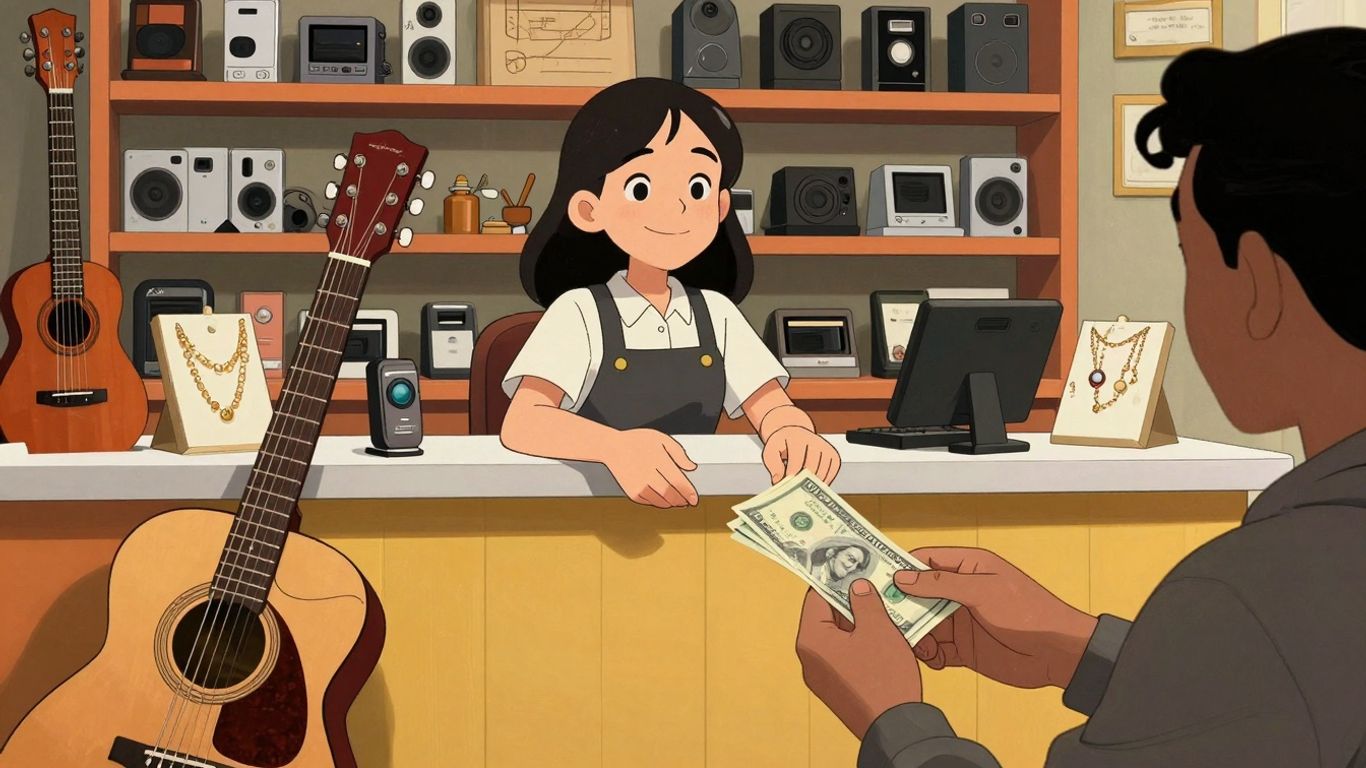
If you’re happy with the offer, you’ll get cash right then and there. No waiting around for checks to clear or bank approvals. You’ll also sign a pawn ticket or agreement. This is super important. It lays out all the details: how much you borrowed, the interest rate, any fees, and the date you need to pay it back by to get your item back. This ticket is your proof of ownership and your key to reclaiming your valuables.
Repaying Your Loan Or Losing Your Item
Now, you have a set amount of time, usually 30 days to a few months, to pay back the loan plus the interest and fees. If you pay it back on time, you get your item back, and you’re done. If you can’t pay it back by the due date, the pawn shop keeps your item. They’ll then put it out for sale to get their money back. It’s a risk, but it’s how the system works. You lose the item, but you don’t owe any more money, and your credit score isn’t affected.
Preparing Your Valuables For A Pawn
So, you’ve decided to pawn an item. That’s totally understandable, and getting ready beforehand can make a big difference in how much cash you walk away with. It’s not just about grabbing the first thing you see; a little bit of prep work goes a long way.
Giving Your Item A Good Clean
Think about it: when you’re looking to buy something, whether it’s a car or a used video game, you want it to look as good as possible, right? Pawn shops are no different. A clean item just looks more appealing and suggests it’s been well taken care of. This can seriously influence the pawnbroker’s offer.
- Jewelry: Give rings, necklaces, and bracelets a gentle polish. A soft cloth can work wonders for removing smudges and bringing back some shine.
- Electronics: Wipe down phones, laptops, and gaming consoles. Make sure screens are clear of fingerprints and dust. If you have the original box or accessories, even better!
- Tools: A quick wipe-down to remove grease or dirt can make a tool look much more valuable than one covered in grime.
It doesn’t have to be a deep clean, but making an effort shows you value your item, and that can translate into a better loan amount.
Knowing Your Item’s True Worth
This is a big one. Before you even step into the pawn shop, do a little homework. You want to have a realistic idea of what your item is worth on the resale market. This isn’t about what you paid for it, but what someone else might pay for it today.
- Online Research: Check sites like eBay (look at sold listings, not just asking prices), Amazon, or specialized forums for similar items. See what they’re actually selling for.
- Brand and Model: If it’s electronics or a tool, knowing the exact brand and model number will help you find accurate pricing.
- Condition: Be honest about its condition. Scratches, dents, or missing parts will affect its value. If it’s something like a watch or a piece of jewelry, knowing if it has original papers or a recent appraisal can also be helpful.
Having this information beforehand gives you a solid starting point for negotiation. It helps you spot a fair offer versus one that’s way too low.
Gathering Any Important Documents
Sometimes, having the right paperwork can really boost your item’s perceived value and make the process smoother. It’s like providing proof that your item is legitimate and well-maintained.
- Receipts: If you still have the original receipt, it can show when and where you bought the item.
- Certificates of Authenticity: For things like jewelry, designer bags, or collectibles, an authenticity certificate is a huge plus.
- Appraisals: If you’ve had the item professionally appraised before, bring that document along. It gives the pawnbroker a solid valuation to work with.
- Original Packaging and Accessories: For electronics or even some collectibles, having the original box, manuals, chargers, or any other accessories can make the item more complete and desirable.
Understanding The Loan Process
Loan Amounts and Appraisals
So, you’ve decided to pawn an item. The first thing that happens is the pawn shop owner or an employee will take a good look at what you’re offering. They’re not just looking at it; they’re figuring out its potential resale value. This means they’ll consider things like the brand name, how good the condition is, and if it’s something people actually want to buy. For example, a well-known brand of electronics or a piece of jewelry made with precious metals will likely get a higher offer than something generic or worn out. The loan amount you’re offered is usually just a fraction of what the item could sell for, often somewhere between 25% and 60%. It’s their way of making sure they don’t lose money if they end up having to sell your item later.
Interest Rates and Fees Explained
When you take out a pawn loan, it’s not just the amount you borrow that you have to pay back. There’s also interest, and sometimes other fees. Interest rates can vary quite a bit, often ranging from 10% to 25% per month, depending on where you live and the specific shop’s policies. On top of that, there might be small fees for things like processing the loan or storing your item. It’s really important to understand all these costs before you agree to anything. The pawn ticket you get should clearly lay out the interest rate, any fees, and the total amount you’ll need to pay back to get your item back.
What Happens If You Can’t Repay?
This is probably the most common worry people have about pawn loans. If you find yourself unable to repay the loan by the due date, don’t panic. The good news is that pawn shops aren’t like banks; they won’t send you to collections or damage your credit score. Instead, if you default on the loan, the pawn shop simply keeps your item. They then become the owner and can sell it to recoup the money they loaned out. For you, the loan is considered settled, and you walk away without any further debt or negative marks on your credit history. It means you lose the item, but you avoid further financial trouble.
Selling Your Items Outright
Sometimes, pawning an item just isn’t the right move. Maybe you don’t want the pressure of trying to pay back a loan, or perhaps you’ve decided you don’t really need the item back. In these cases, selling your item directly to the pawn shop can be a good way to get cash without any strings attached. It’s a straightforward transaction: you hand over your item, and they hand over cash. You walk away with money in your pocket and no further obligations.
When Selling Makes More Sense
Selling outright is a great option when you’re sure you don’t want the item back. It’s also a good choice if you need a bit more cash than a pawn loan would offer. While a pawn loan is usually a percentage of the item’s resale value, selling it directly might get you a slightly better price, though still less than what you’d get selling it yourself online. It’s a trade-off for immediate cash and no repayment worries.
Here are a few situations where selling might be better than pawning:
- You’re certain you won’t want the item back.
- You need more cash than a typical pawn loan provides.
- You want to avoid any interest charges or repayment deadlines.
- The item is something you’re ready to part with permanently.
What Pawn Shops Look For
Pawn shops are businesses, so they’re looking for items they can resell for a profit. This means they tend to favor things that are in good condition and have a decent market value. Think about what someone else would want to buy. Generally, they’re interested in:
- Electronics: Laptops, gaming consoles, smartphones, TVs (newer models are usually better).
- Tools: Power tools, hand tools, especially from well-known brands.
- Jewelry: Gold, silver, and diamond pieces. Even broken jewelry can have scrap metal value.
- Musical Instruments: Guitars, keyboards, amplifiers.
- Collectibles: Certain coins, stamps, or memorabilia, though this can be more niche.
They’ll check the item’s condition, brand, and whether it’s still functional. If it’s something that’s in high demand and easy to sell, you’ll likely get a better offer. You can often get a better idea of what they might be looking for by checking out what they have for sale in the shop or on their website.
Getting the Best Price
Just like with pawning, negotiation is key when selling outright. Do your homework beforehand. Look up similar items online to get a sense of their resale value. This gives you a starting point for your conversation with the pawnbroker. Knowing your item’s worth is your biggest advantage. If you’ve got the original box, accessories, or any proof of purchase, bring it along – it can sometimes help justify a higher price. Remember, they need to make a profit, so don’t expect to get the full retail price, but aim for a fair amount that works for both you and the shop. If you’re not happy with the offer, it’s always okay to walk away and try another shop or explore other selling options, like selling online through platforms like eBay.
When selling an item outright, you’re essentially acting as a wholesaler to the pawn shop. They’re buying it with the intention of reselling it, so their offer will reflect that. It’s a quick way to convert an item into cash, but you’re giving up ownership permanently in exchange for immediate funds and no future responsibilities.
Why People Turn To Pawn Shops
Life throws curveballs, and sometimes you just need a little help to get back on your feet. That’s where pawn shops often come in. They’ve been around for ages, and for good reason. People turn to them for a few main reasons, and they’re usually pretty straightforward.
Emergency Cash Needs
When unexpected bills pop up – maybe a car repair, a medical expense, or even just a gap between paychecks – traditional banks can take days, if not weeks, to approve a loan. Pawn shops, on the other hand, can get you cash fast. You bring in an item of value, they give you an offer, and if you accept, you walk out with money in your hand, often within minutes. It’s a lifeline when you’re in a pinch and can’t wait.
No Credit Checks Needed
This is a big one for a lot of folks. If you have a thin credit file, a past mistake that’s still showing up, or just don’t want your credit score dinged, a pawn shop is a great option. They don’t care about your credit history at all. The loan is secured by the item you pawn, so the pawnbroker’s risk is pretty low. Your credit score is safe, no matter what. This makes them accessible to almost everyone.
Fast Transactions
Forget filling out endless forms and waiting for approval. The process at a pawn shop is usually pretty simple. You bring in your item, the pawnbroker checks it out, makes an offer, and if you agree, you get your cash. It’s a direct exchange. This speed is incredibly helpful when you’re facing a time-sensitive financial situation. You’re not left wondering if you’ll get approved; you know right then and there.
The Benefits Of Pawn Loans
Access For Everyone
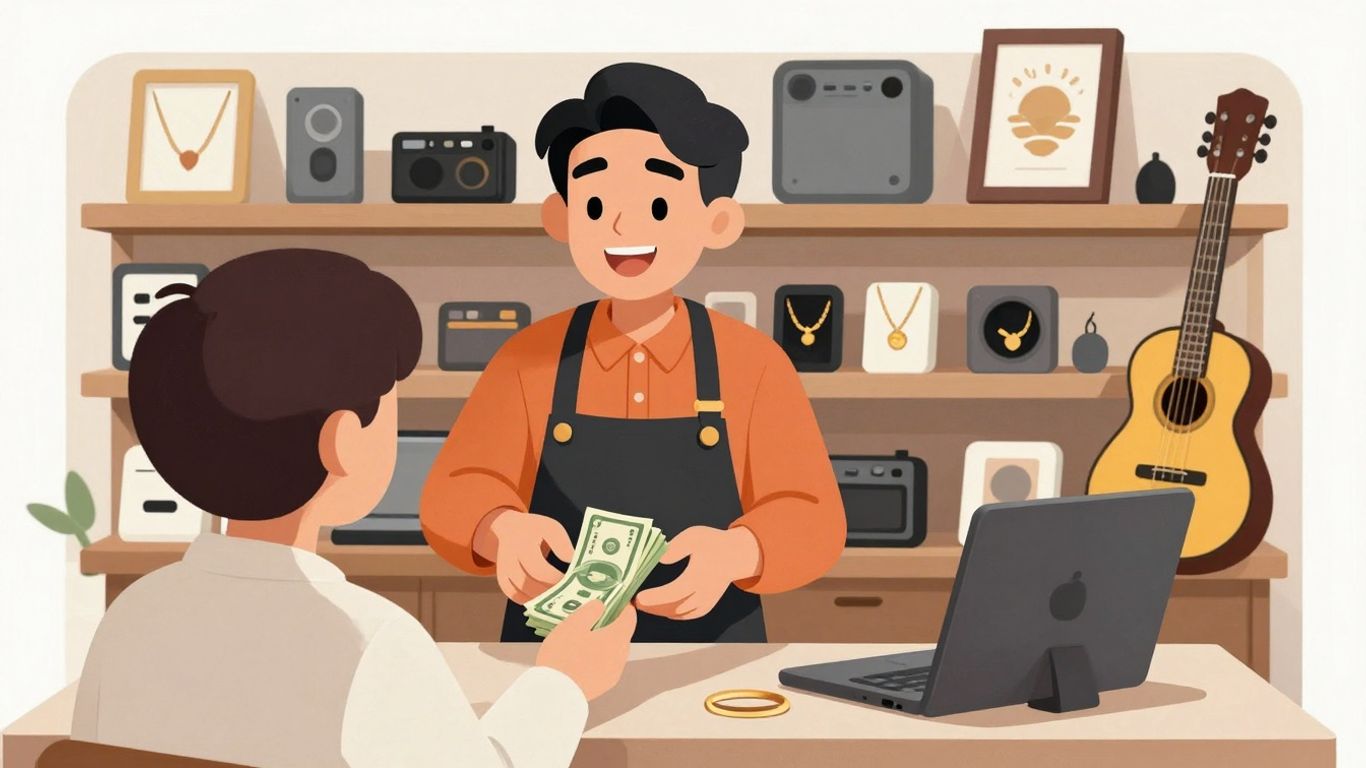
Pawn shops are pretty great because they don’t really care about your credit score. Seriously, no credit checks are needed here. This means if you’ve had some financial bumps in the past, or maybe you’ve never really had a credit card, you can still get a loan. It’s a way for almost anyone to get some cash when they need it, no questions asked about your financial history.
No Impact On Your Credit Score
This is a big one. Unlike a lot of other loans out there, if you can’t pay back a pawn loan, it doesn’t go on your credit report. That means your credit score stays safe and sound. You just lose the item you pawned, but your ability to get loans in the future from banks or other lenders isn’t affected. It’s a pretty sweet deal if you’re worried about your credit score taking a hit.
Quick And Easy Process
Forget filling out tons of paperwork and waiting around for days. With a pawn loan, you can often walk in with an item and walk out with cash in hand in less than an hour. It’s a super fast way to deal with unexpected expenses or emergencies. You bring in something valuable, they give you a loan based on its worth, and you get your cash right then and there. It’s a straightforward transaction designed to get you money quickly.
Key Things To Keep In Mind
So, you’re thinking about heading to a pawn shop. That’s totally understandable, especially if you need cash fast. But before you grab that old guitar or your grandma’s locket, let’s chat about a few things to keep in mind. It’s not complicated, but knowing these points can make your experience a whole lot smoother and help you avoid any nasty surprises.
Research Your Item’s Value
This is a big one. You’ve probably got a pretty good idea of what your item is worth to you, but what’s its market value? Pawn shops are businesses, and they need to make a profit. They’ll likely offer you a percentage of what they think they can sell it for. So, do a little digging online. Check out similar items on auction sites or marketplaces. For more valuable things, like jewelry or electronics, you might even consider getting a quick appraisal. Knowing the general worth beforehand gives you a solid starting point for any negotiation. It’s always a good idea to have some documentation, like original receipts or any existing valuations, if you have them.
Read The Pawn Ticket Carefully
That little slip of paper you get when you pawn something? It’s super important. It’s your contract, and it lays out all the details of your loan. Make sure you understand:
- The loan amount: How much cash you’re getting.
- The interest rate: How much extra you’ll pay.
- The fees: Are there any other charges?
- The repayment deadline: When you absolutely must pay it back to get your item.
- The grace period: If there is one, and what happens if you miss the deadline.
Don’t be shy about asking questions if anything is unclear. It’s your responsibility to know exactly what you’re agreeing to.
Plan For Repayment
This is where things can get tricky if you’re not careful. Pawning an item is essentially taking out a short-term loan with your item as collateral. You have a set amount of time to pay back the loan plus interest and fees. If you don’t, the pawn shop gets to keep your item and sell it. So, before you even go to the shop, think about how you’re going to pay it back. Can you realistically afford it within the timeframe? If you’re unsure, maybe reconsider pawning that particular item, or perhaps selling it outright would be a better option for you. It’s better to be realistic now than to lose something you might regret later.
Remember, a pawn loan doesn’t hurt your credit score if you can’t repay, but you will lose the item you pawned. It’s a trade-off to consider carefully.
How Pawn Shops Make Their Money
So, how do these shops actually stay in business? It might seem like they’re just handing out cash, but there’s a solid business model behind it. Pawn shops have a couple of main ways they bring in revenue, and it’s pretty straightforward once you break it down.
Interest On Loans
This is probably the biggest chunk of their income. When you take out a loan using an item as collateral, you’re not just paying back what you borrowed. You also have to pay interest on that loan. These interest rates can sometimes seem high compared to a bank loan, but remember, pawn loans are short-term and don’t require a credit check. The pawn shop is taking a risk by lending you money, and the interest helps cover that risk and their operating costs.
- Loan Amount: The initial cash you receive.
- Interest Rate: The percentage charged on the loan amount, usually calculated monthly.
- Fees: Sometimes there are additional small fees for things like processing or storage.
The pawn ticket you get will clearly lay out all these costs, so always give it a good read.
Reselling Unclaimed Items
What happens if you can’t pay back your loan? Well, the pawn shop keeps the item you used as collateral. They then put that item up for sale in their shop. Since they acquired the item for the amount they loaned out (which is usually less than the item’s actual market value), they can sell it for a profit. This is a win-win in a way: you get cash when you need it, and if you can’t repay, the shop can recoup its losses and make a bit extra. It also means you can often find some pretty good deals on used items if you’re looking to buy.
Other Services Offered
Some pawn shops are more than just loan and resale places. They might offer other services to bring in a little extra cash. Think about things like:
- Check cashing
- Money transfers
- Selling new merchandise (like tools or firearms, depending on the shop’s license)
These extra services can add up and help keep the business running smoothly, especially during slower periods for loans and sales.
Essentially, pawn shops are businesses that balance risk and reward. They provide a needed service for quick cash while managing the potential loss of collateral and generating income through interest and resale.
Are There Alternatives To Pawning?
Pawn shops can be a quick fix when you’re short on cash, but let’s be real, they often come with some pretty steep costs. The interest rates can be sky-high, and you’re always risking losing your valuables if you can’t pay back the loan on time. It’s definitely worth exploring other options before you hand over that treasured item. Luckily, there are several ways to get the money you need without the high risk or cost associated with pawning.
Exploring Other Loan Options
Sometimes, a traditional loan might be a better fit. Banks and credit unions often offer personal loans with much lower interest rates than you’d find at a pawn shop. If you have a steady income and a decent credit history, you might qualify for a loan that you can pay back in manageable monthly installments. It’s a good idea to compare rates and terms from a few different lenders to find the best deal for your situation. You won’t have to worry about losing your belongings either, which is a huge plus.
Selling Through Other Channels
If you’re looking to get rid of an item and need cash, selling it outright might be more beneficial than pawning it. Instead of getting a fraction of its value as a loan, you could potentially get closer to its actual worth by selling it yourself. Online marketplaces like Facebook Marketplace, eBay, or even local classifieds can be great places to list your items. You might be surprised at how much people are willing to pay for things you no longer need. It takes a bit more effort than walking into a pawn shop, but the payoff can be much greater.
Seeking Help From Friends or Family
This can be a sensitive topic, but sometimes the best and most affordable option is to turn to your personal network. If you have a friend or family member who is in a position to help, consider asking them for a short-term loan. Be sure to have a clear plan for repayment, just as you would with any other loan. This approach often comes with no interest and a lot more flexibility, and it keeps your possessions safe and sound. It’s a way to get through a tough spot without incurring debt or risking your valuables.
While pawn shops offer immediate cash, they often come with high interest rates and the risk of losing your item. It’s wise to investigate other avenues first, such as personal loans, selling items online, or borrowing from your personal network, to find a more cost-effective and less risky solution for your financial needs.
Thinking about pawning an item? While it might seem like a quick fix, there are other ways to get the cash you need. Exploring different options can help you avoid losing your valuables.
Discover smarter ways to manage your finances. Visit our website today to learn about alternatives that keep your belongings safe and sound.
So, What’s the Takeaway?
Alright, so we’ve walked through how pawn shops work, from bringing in your stuff to getting cash or selling it outright. It’s pretty straightforward, really. They’re there to help when you need a quick bit of cash, and you don’t have to worry about your credit score. Just remember to go in knowing what your item is worth and understand all the loan details before you sign anything. Whether you’re pawning for a loan or selling something you no longer need, it’s a service that’s been around forever for a reason. Hopefully, this guide made it all a bit clearer!
Frequently Asked Questions
What is a pawn shop?
A pawn shop is a store where you can get a short-term loan by leaving a valuable item with them. Think of it like a quick loan using your stuff as a guarantee. If you pay back the loan plus a little extra, you get your item back. Or, you can just sell your item outright to the shop.
How do I get a loan from a pawn shop?
First, find an item you own that has value, like jewelry or electronics. Bring it to the pawn shop. They’ll look at it and tell you how much cash they can give you as a loan. If you agree, you sign a paper, get the cash, and leave your item with them. You’ll get a ticket to pick it up later.
What happens if I can’t pay back the loan?
If you don’t pay back the loan by the date you agreed on, the pawn shop keeps your item. They can then sell it to get their money back. It’s important to know this before you borrow.
Do pawn shops check your credit?
Nope! Pawn shops don’t care about your credit score. They only care about the value of the item you’re leaving with them. This makes them a good option if you need cash fast and can’t get a loan from a bank.
How much money can I get for my item?
Pawn shops usually offer a loan that’s a portion of what your item is worth if they were to sell it. This is often between 25% and 60% of its resale value. They do this to make sure they don’t lose money if they have to sell the item.
Should I clean my item before pawning it?
Yes, definitely! Making your item look clean and well-cared for can help you get a better offer. If it looks good, the pawn shop might think it’s worth more and give you more cash.
How do pawn shops make money?
Pawn shops make money mainly in two ways. First, they charge interest on the loans they give out. Second, if people don’t pick up their items, the pawn shop sells those items and makes money from the sale.
Is pawning my item bad for my credit score?
No, using a pawn shop for a loan won’t affect your credit score at all. Since they don’t check your credit to give you the loan, not paying it back also won’t show up on your credit report.